Hardtail mountain bikes over £2,000: who benefits?
A buyer’s guide to £2,000+ hardtail MTBs in the UK. Learn when premium frames, forks and components pay off on real trails—and when a cheaper hardtail or full-sus makes more sense.
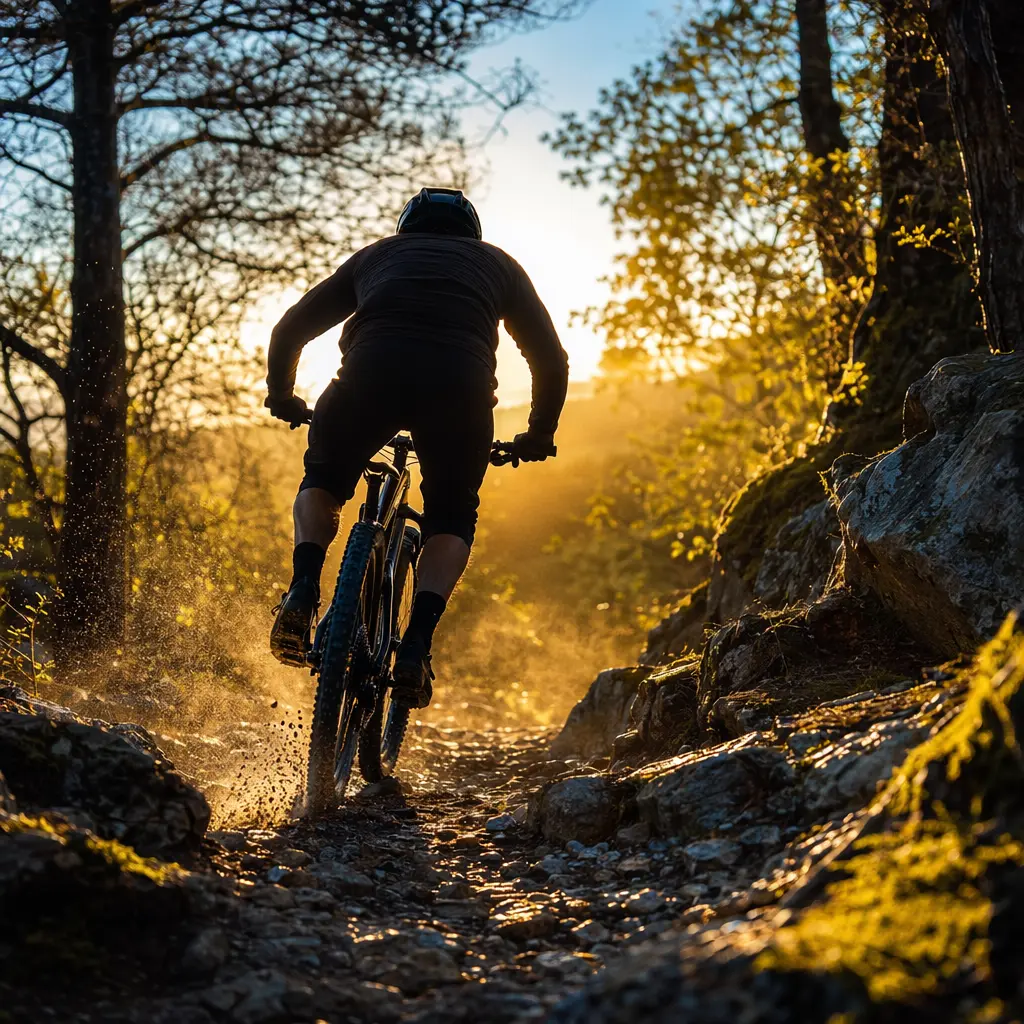
Spending more than £2,000 on a hardtail mountain bike can look odd when full‑suspension bikes exist at similar money. Yet premium hardtails still sell well in the UK. This guide explains who actually benefits, what you’re paying for, and when that budget is better spent elsewhere.
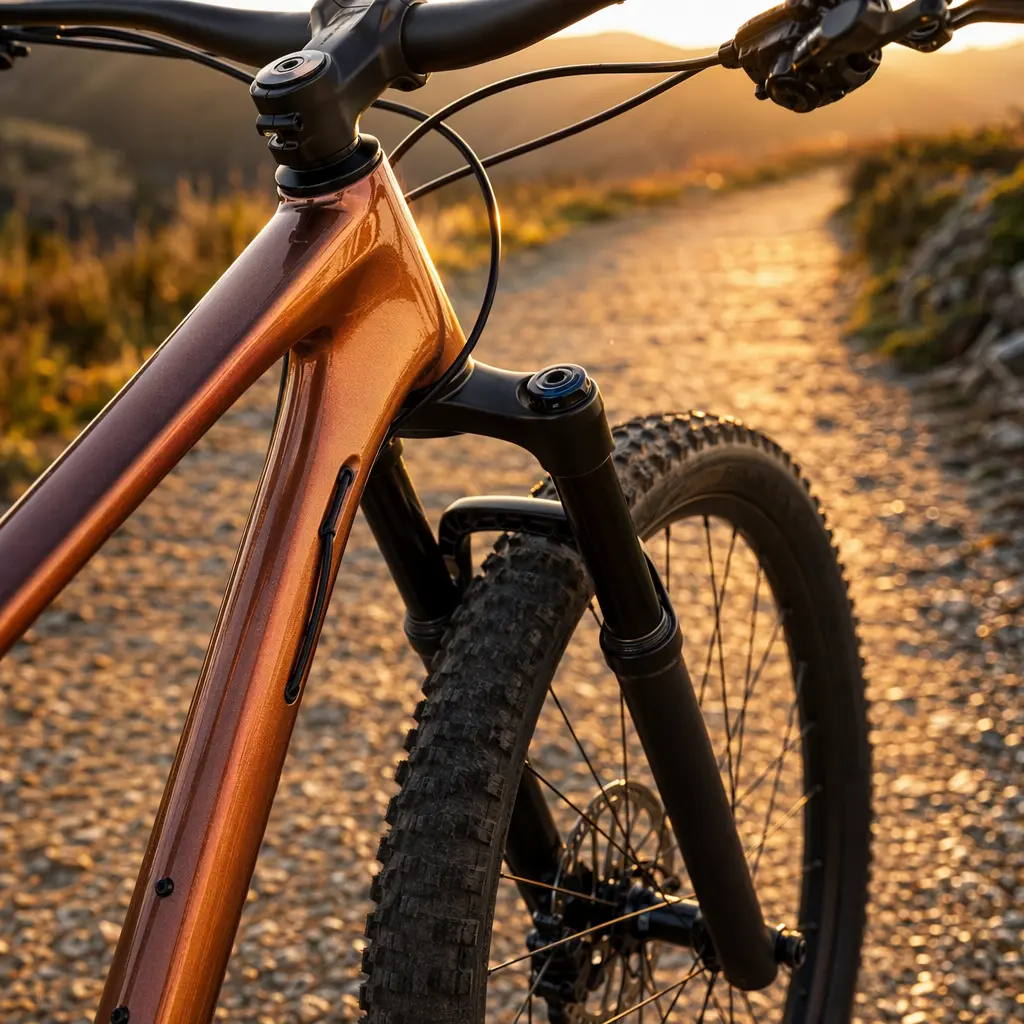
What to look for
At this price point, the gains are about quality, durability and trail feel rather than basic functionality. Focus on the parts that genuinely affect how the bike rides on UK terrain.
- Frame material: high‑grade aluminium, steel or carbon. Carbon saves weight and adds stiffness; steel favours comfort and longevity.
- Fork quality: expect a top‑tier air fork with better damping control, not just more travel. This matters on roots and braking bumps.
- Geometry: longer reach, slacker head angle and steeper seat angle for modern UK trail riding, especially on steep descents.
- Brakes: powerful hydraulic discs with larger rotors for wet, muddy conditions.
- Gearing: wide‑range 1x drivetrains for steep climbs without complexity.
- Wheel and tyre spec: stronger rims and better tyres with proper trail casings.
- Fit and sizing: more size options and longer droppers help dial in position.
Budget and what you're getting
Over £2,000, you’re paying for refinement rather than access. The bike will be lighter, stiffer where it counts, and calmer at speed. Forks track the ground better, brakes fade less on long descents, and frames are designed for aggressive riding without flex. The trade‑off is obvious: you’re still on a hardtail. On rough UK trail centres or natural rock, comfort and forgiveness are limited compared with a full‑suspension bike at similar money.
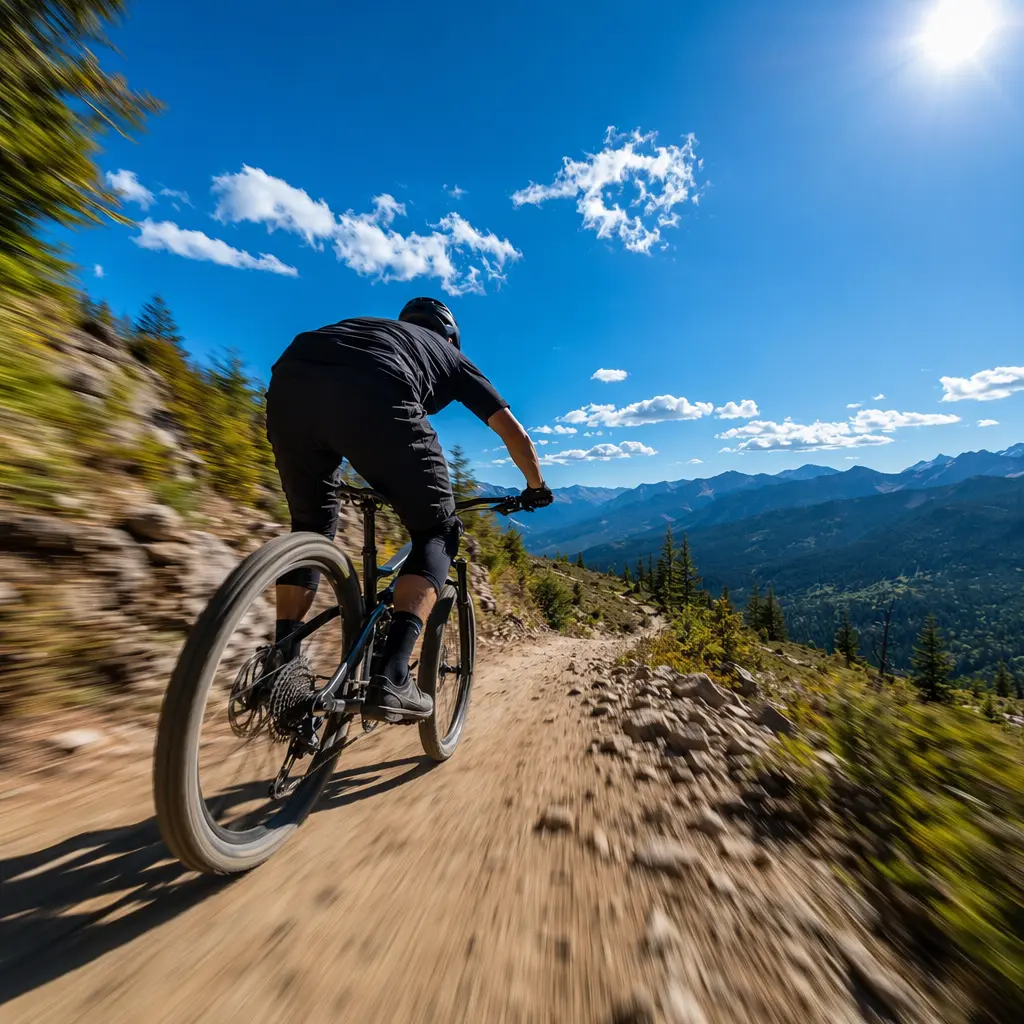
Standout categories or types
Not all expensive hardtails aim at the same rider. Understanding the sub‑types helps decide if this category suits you.
- Trail hardtails: the most common. Modern geometry, 120–140mm forks and dropper posts suit UK trail centres and natural trails.
- Hardcore hardtails: very slack and long, built for steep descents and bike‑park laps. Demanding but hugely capable in the right hands.
- Lightweight XC hardtails: carbon frames and short‑travel forks focused on speed, racing and long mileage rather than comfort.
- Steel hardtails: heavier but tough, repairable and comfortable, appealing to riders who value feel over grams.
Frequently asked questions
Why not buy a full‑suspension bike instead?
You can—and many riders should. Full‑suspension bikes are more forgiving and easier on rough ground. A premium hardtail suits riders who prefer simplicity, lower maintenance and a direct trail feel.
Do premium forks really make a difference?
Yes. Better damping keeps the front wheel planted over roots and rocks, improving control and reducing fatigue, especially on long UK descents.
Are carbon hardtails durable for UK riding?
Modern carbon frames are strong, but they don’t like sharp impacts. Riders who regularly ride rocky areas may prefer aluminium or steel for peace of mind.
Who benefits most from a £2,000+ hardtail?
Experienced riders with good line choice, racers, or those riding smoother trail centres who value speed and efficiency over comfort.
Is it worth upgrading a cheaper hardtail instead?
Often yes. A solid frame under £1,500 with a later fork or wheel upgrade can deliver similar performance for less money.
In short, £2,000+ hardtail mountain bikes make sense for riders who know what they want from the trail and value precision over plushness. If comfort, confidence and all‑day ease matter more, consider where that budget works harder.
Find these on Amazon
As an Amazon Associate, CheapBikes earns from qualifying purchases.