What You Give Up Buying a £200 vs £350 Kids’ Bike
Moving from a £200 kids’ bike to £350 buys less weight, better brakes and tougher parts. This guide explains the real trade-offs so parents can spend wisely and avoid false economy.
Parents shopping for a kids’ bike often face a familiar dilemma: spend around £200 and hope it lasts, or stretch closer to £350 for something better. On the surface, both options look similar — same wheel size, bright colours, maybe even gears. But underneath, there are real differences that affect how easy the bike is to ride, how often it needs fixing, and whether a child enjoys cycling or quietly gives it up.
What you actually get at this price
At around £200, kids’ bikes are built to hit a price, not a weight or performance target. Frames are usually steel, components are basic, and durability is prioritised over finesse. That keeps costs down but can make the bike harder for a child to control, especially on hills or longer rides.
Move up to the £300–£350 bracket and the focus shifts. Bikes are still tough, but manufacturers start spending money where it matters most for young riders: weight, braking and smoother-moving parts. The result is a bike that feels noticeably easier to ride and tends to survive a couple of years of growth and use.
- Frame: £200 bikes are usually hi‑ten steel; £350 bikes are more likely aluminium, saving 1–2kg
- Weight: cheaper bikes can be surprisingly heavy, sometimes over 40% of a child’s body weight
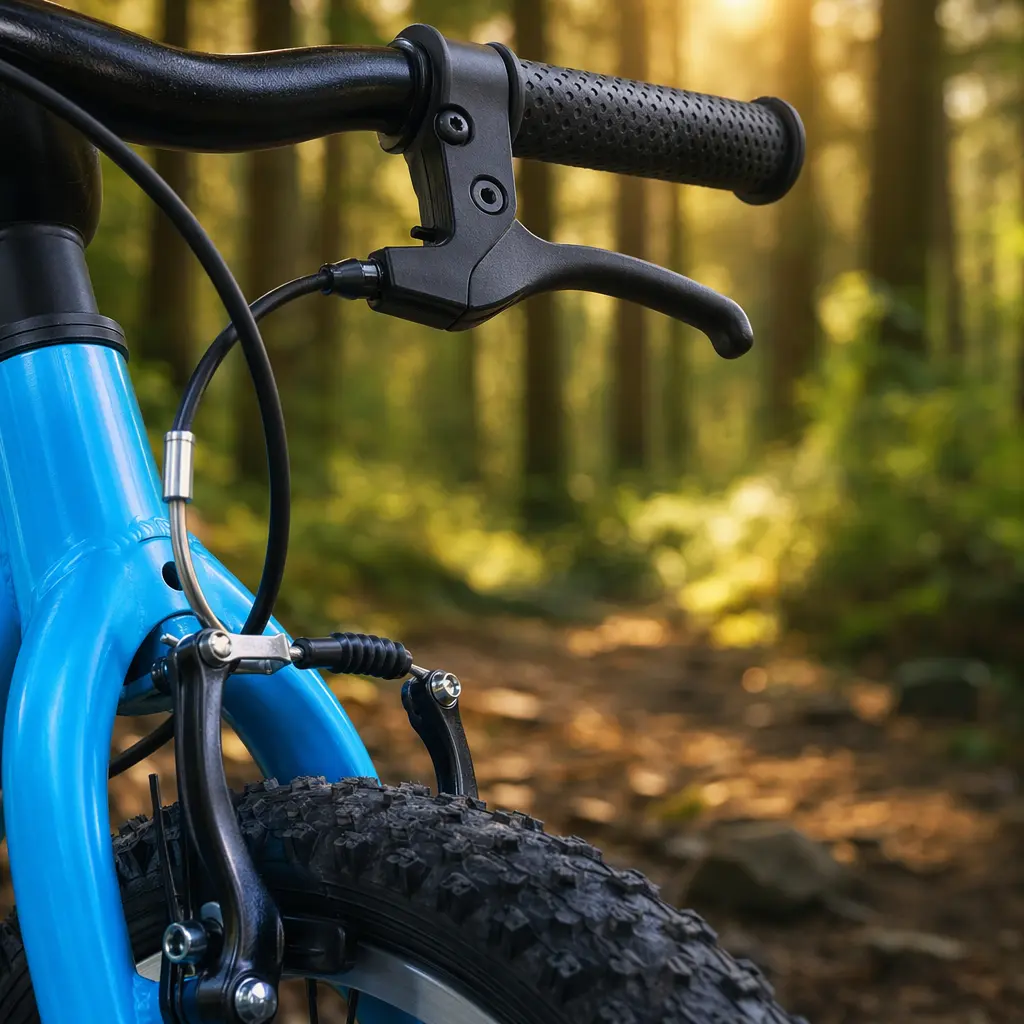
- Brakes: basic V‑brakes at £200; stronger V‑brakes or entry‑level discs at £350
- Gears: limited-range freewheels vs wider-range cassettes with smoother shifting
- Finishing kit: plastic pedals and heavy saddles vs lighter alloy parts
- Extras: reflectors and kickstands are common; mudguards and lights are rarely included at either price
How to choose
The most important factor is still fit. A well-sized £200 bike will always beat an overgrown £350 one. Check standover height, reach to the bars and whether your child can comfortably pull the brake levers. Many cheaper bikes fall down here, with levers designed for adult hands rather than small fingers.
Think honestly about how the bike will be used. For short school runs and occasional park laps, the limitations of a £200 bike may be acceptable. For longer family rides, hilly routes or confident kids who ride hard, the lighter weight and better braking of a £350 bike can make cycling feel fun rather than like hard work.
What to look out for
- Excessive weight that makes starting, stopping and climbing difficult
- Poorly set-up brakes that lack power even when adjusted
- Grip shifters that are stiff or awkward for small hands
- Cheap tyres with hard rubber that slide easily on wet paths
- Limited adjustability, leaving little room for growth
- No mounting points if you plan to add mudguards later
Worth spending more on
If the bike budget is tight, a few targeted upgrades can make a big difference. Tyres are top of the list: swapping heavy, hard-compound originals for lighter, grippier ones can noticeably improve confidence and reduce punctures. This is often more impactful than upgrading gears.
A comfortable saddle and decent pedals are also worthwhile, especially if the bike will be used for more than short trips. Safety kit matters too — a well-fitting helmet and a proper lock may not make the bike ride better, but they protect both rider and investment.
Frequently asked questions
Is a £350 kids’ bike really lighter?
Usually, yes. The switch from steel to aluminium frames and lighter wheels can remove a kilogram or more. For a child, that’s a big percentage of the bike’s total weight and makes hills and acceleration far easier.
Do better brakes matter for children?
Absolutely. Stronger, easier-to-modulate brakes mean shorter stopping distances and less hand fatigue. This is especially important for lighter riders who struggle to pull stiff levers.
Will a cheaper bike last until they grow out of it?
It can, but expect more maintenance. Wheels may need truing, gears drift out of adjustment and parts wear faster. A mid-range kids’ bike tends to stay rideable for longer with less attention.
Is second-hand a good option?
Often, yes. A lightly used £350 bike can cost £200–£250 and outperform a brand-new budget option. Just check for worn brakes, stretched chains and cracks around welds.
In short, a £200 kids’ bike can work, but a £350 one usually rides better, lasts longer and keeps children happier on two wheels — and that can be the difference between cycling becoming a habit or a hassle.
Find these on Amazon
As an Amazon Associate, CheapBikes earns from qualifying purchases.