£300 vs £600 BMX bikes: what actually changes at the skatepark?
From steel grades to geometry and hubs, this guide explains what really improves when moving from a £300 to a £600 BMX — and which upgrades actually help progressing park riders.
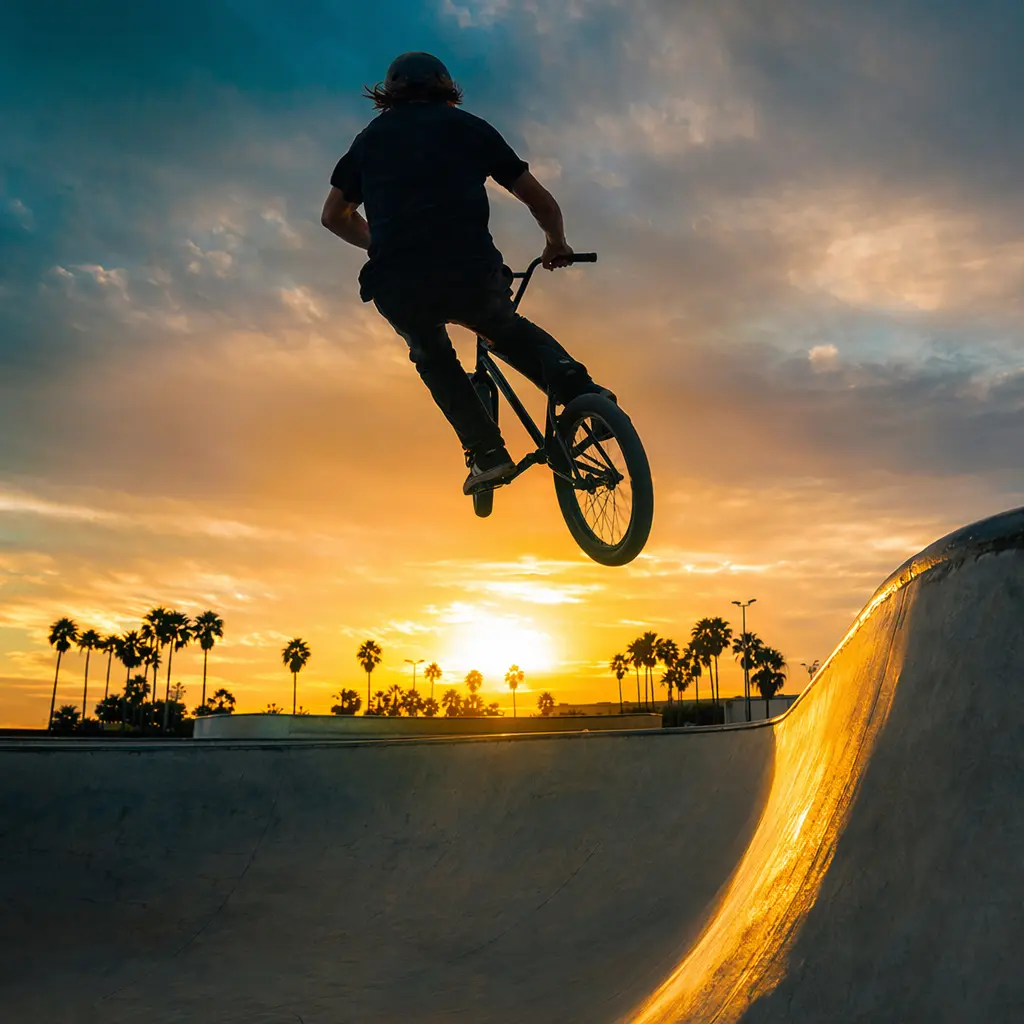
A £300 BMX and a £600 BMX can look similar leaning against the skatepark fence. Same wheel size, same pegs, same compact frame. But once riding progresses beyond rolling around and basic hops, the differences start to matter. This guide breaks down what actually changes between entry-level and mid-range BMX bikes — and which upgrades genuinely help riders unlock bigger tricks, smoother landings and fewer broken parts.
What you actually get at this price
The jump from £300 to £600 is less about cosmetics and more about materials, tolerances and long-term strength. Entry-level BMX bikes are built to hit a price point; mid-range bikes are built to survive repeated hard use.
At £300, compromises are unavoidable. At £600, many of those compromises disappear — especially in the frame, forks and drivetrain.
- Frame & forks: £300 bikes usually use high-tensile steel; £600 bikes are typically full chromoly, which is lighter and far more fatigue-resistant.
- Geometry: Cheaper bikes stick to safe, generic geometry; mid-range bikes offer steeper head angles and shorter rear ends for quicker spins and manuals.
- Bars & cranks: Entry bikes often mix steel grades or use 3-piece cranks with softer axles; £600 bikes usually get full chromoly bars and stronger heat-treated cranks.
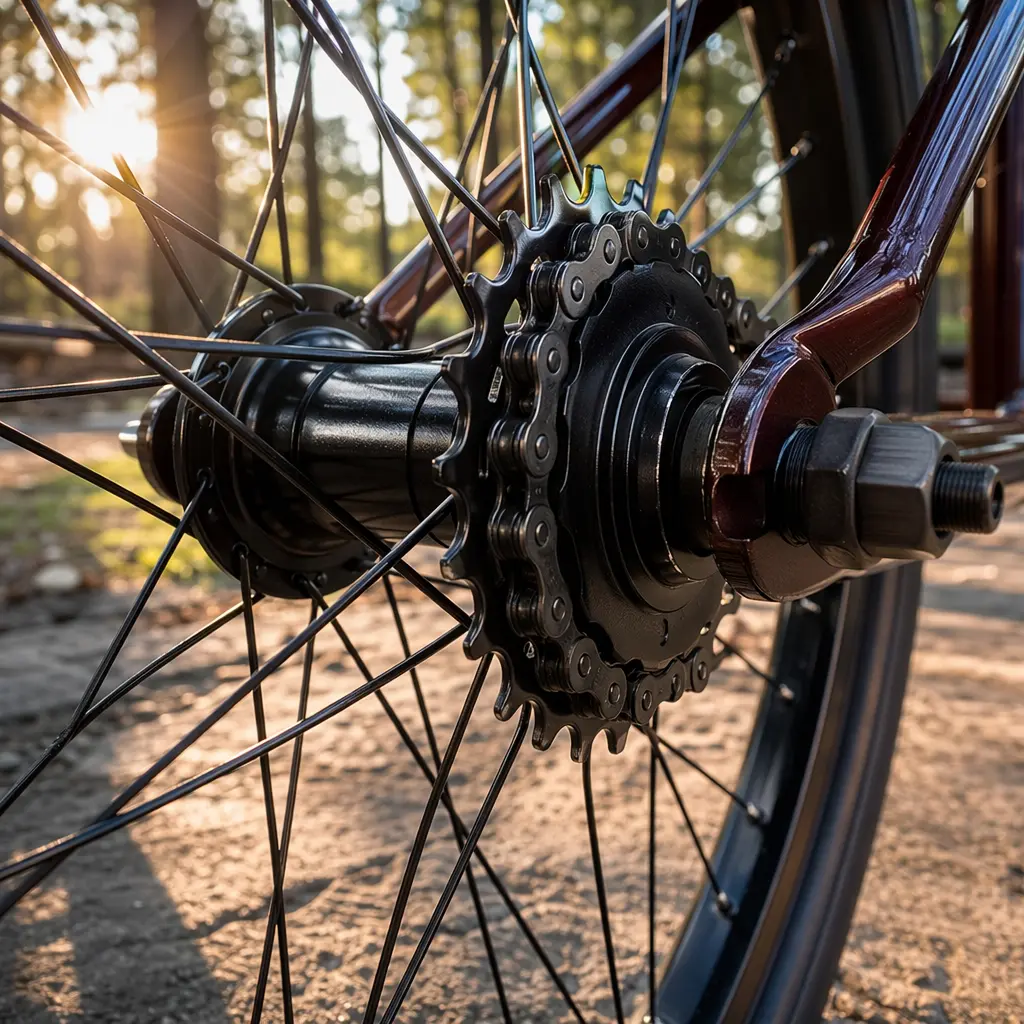
- Hubs & drivetrain: £300 bikes often run basic cassette hubs with coarse engagement; £600 bikes upgrade to sealed bearings and faster hub engagement.
- Wheels: Cheaper wheels are heavier with pinned rims; mid-range bikes move to double-wall rims and stronger spokes.
- Brakes & finishing kit: Both price points use U-brakes, but mid-range bikes have better levers, smoother cables and tougher saddles.
How to choose
Choosing between £300 and £600 depends less on height or age and more on riding intent. Riders learning to pump transitions, roll bowls and practise basic airs will get rolling on either. Riders pushing spins, grinds and bigger drops will feel the limits of cheaper builds quickly.
Geometry matters more than most beginners expect. A shorter chainstay and steeper head angle make spins and manuals easier but feel twitchier at speed. Mid-range bikes tend to be more responsive without becoming unstable — something achieved through tighter manufacturing tolerances rather than radical dimensions.
What to look out for
- Weight creep: £300 BMX bikes are noticeably heavier, especially in the wheels.
- Soft steel fatigue: High-tensile frames can bend or crack after repeated hard landings.
- Loose hubs: Budget hubs lose engagement quickly and feel sloppy on fakies and manuals.
- Basic rims: Single- or pinned-wall rims dent easily when casing jumps.
- Limited upgrade paths: Some entry frames lack clearance or strength for later upgrades.
Worth spending more on
If stretching to £600 means waiting a bit longer, the durability gains are usually worth it. Full chromoly frames and forks alone can double the usable lifespan for a progressing rider.
If already on a £300 bike, a few targeted upgrades can narrow the gap: stronger tyres reduce pinch flats, a better saddle improves bike control on tricks, and sealed bearing hubs dramatically sharpen the ride feel. Helmets and pads are also non-negotiable once air time increases.
Frequently asked questions
Is a £300 BMX safe for skatepark riding?
Yes, for beginners and lighter use. They are built to meet safety standards, but frequent heavy landings will accelerate wear.
Will a £600 BMX help me learn tricks faster?
Indirectly. Lighter weight, better balance and consistent hub engagement make timing easier, which helps progression.
Can I upgrade a £300 BMX instead?
Some parts can be upgraded, but the frame and forks are the limiting factor. Past a point, buying better upfront is cheaper.
Is used a good option at this price?
Yes, if checked carefully. Look for cracks around welds and smooth hub engagement. Avoid heavily abused park bikes.
In short: £300 gets you rolling; £600 keeps you riding harder for longer. For riders serious about skatepark progression, the jump in durability and geometry is usually money well spent.
Find these on Amazon
As an Amazon Associate, CheapBikes earns from qualifying purchases.