Is a folding bike worth it for train-and-cycle commuting?
A clear-eyed look at folding bikes for UK train-and-cycle commuting: where compact convenience wins, where ride quality suffers, and how to decide if a folder suits your daily travel.
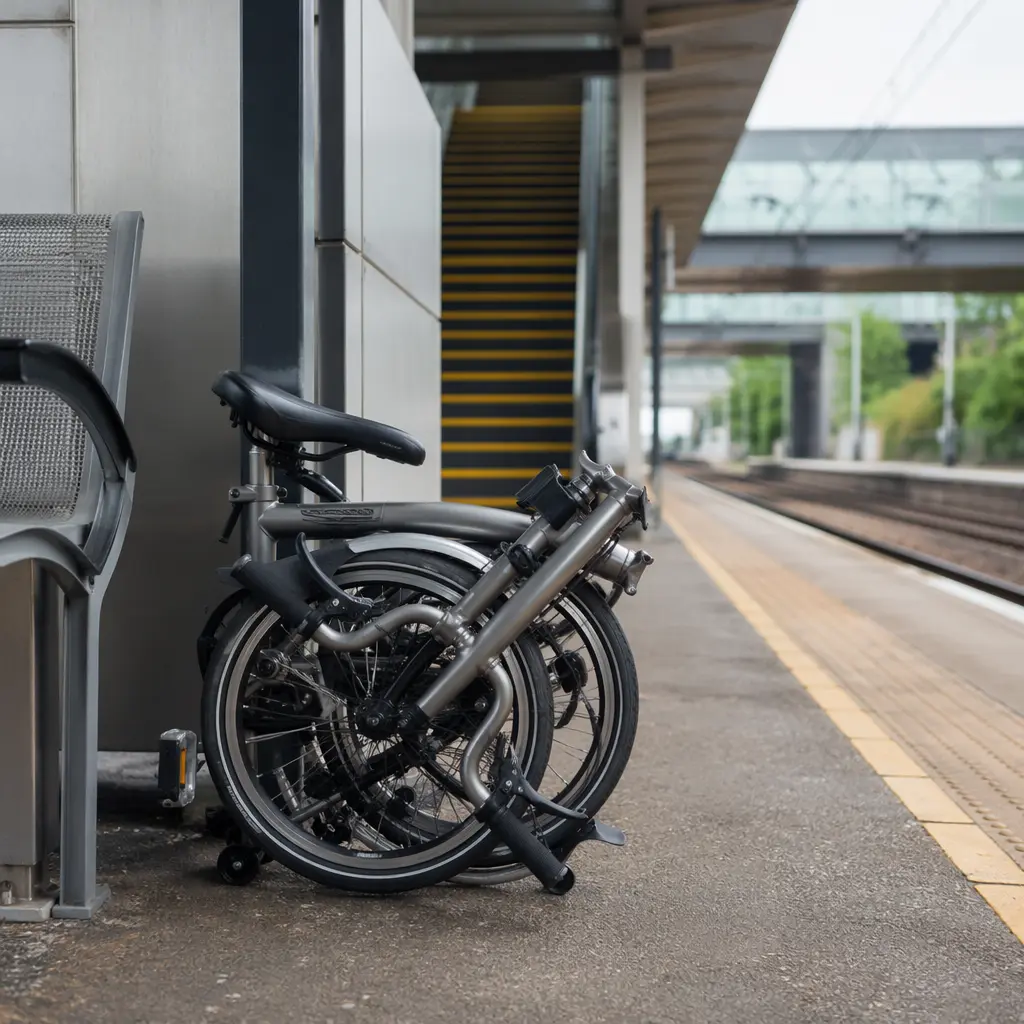
For commuters who mix trains and cycling, the big question isn’t speed or style — it’s practicality. Is a folding bike genuinely worth the compromises, or would a full‑size bike do the job better? The answer depends on how often you use the train, how crowded it gets, and how much hassle you’re willing to tolerate to avoid restrictions, storage problems, and missed connections.
What you actually get at this price
Folding bikes cover a wide price range, but most commuter-focused models share similar traits. The money largely goes into the folding mechanism and compactness, rather than outright ride quality. Compared with a full-size hybrid or road bike, you’re paying for convenience.
Here’s what’s typical for a commuter-ready folding bike:
- Frame: aluminium alloy frames are common; steel appears on heavier but smoother-riding options
- Wheels: small 16–20 inch wheels for compact folding, quicker acceleration but less stability over potholes
- Gearing: wide-range derailleurs or hub gears designed to cope with small wheels; fewer gears overall
- Brakes: rim brakes or basic mechanical discs; powerful enough for commuting but not performance-focused
- Weight: heavier than expected for the size, often 11–14kg once guards and racks are fitted
- Extras: mudguards and rear racks are common; integrated lights are less so at lower prices
How to choose
Start with how your journey actually works. If your train leg is busy or unpredictable, a folding bike’s biggest advantage is that it’s treated as luggage. That means no reservations, fewer peak-time restrictions, and far less stress when platforms are crowded.
Ride distance matters too. Short urban rides of one to five miles suit folders well, especially on smoother roads. Longer rides amplify the downsides: twitchier handling, firmer ride quality, and less efficient cruising. Fit is also crucial — folding bikes have limited adjustment compared with full-size frames, so a test ride is more important than usual.
What to look out for
- Folding time: some designs are quick and intuitive; others are awkward when you’re rushing for a train
- Folded size: not all folders are truly compact — check it fits under seats or luggage racks
- Carry comfort: small wheels help rolling, but lifting weight up stairs can be the real test
- Ride harshness: small wheels transmit bumps more sharply, especially with narrow tyres
- Limited upgrade paths: non-standard parts can make repairs and improvements pricier
- Security trade-offs: compact frames can be harder to lock securely when left outside
Worth spending more on
On a folding bike, a few upgrades make a disproportionate difference. Tyres are the biggest one: higher-quality puncture-resistant tyres reduce flats and improve ride comfort. A better saddle can also transform longer commutes, as many stock saddles are chosen for price rather than comfort.
If the bike will be folded and carried regularly, weight savings are worth paying for — even a kilogram less feels significant on station stairs. Finally, don’t skimp on a lock. Folding bikes attract attention, and compact frames don’t make them theft-proof.
Frequently asked questions
Are folding bikes allowed on all UK trains?
Generally yes. Most train operators treat folded bikes as luggage, meaning they’re allowed at any time. Always check size limits and local rules, but restrictions are far lighter than for full-size bikes.
Do folding bikes feel slow?
Acceleration is often quick, but cruising speed suffers. Small wheels and upright geometry mean more effort at higher speeds, especially over longer distances.
Can a folding bike replace a normal commuter bike?
For short, mixed-mode journeys, yes. For longer rides or rougher roads, most riders still prefer a full-size bike for comfort and efficiency.
Are folding bikes good value?
Value depends on use. If compactness avoids parking fees, train restrictions, or theft risk, a folding bike can pay for itself quickly. If you rarely fold it, the compromises are harder to justify.
In short: if compact convenience regularly solves real commuting problems, a folding bike is absolutely worth it — but if ride quality matters more than flexibility, a full-size bike remains the better tool.
Find these on Amazon
As an Amazon Associate, CheapBikes earns from qualifying purchases.