Is a BMX bike worth it for pump tracks and casual park riding?
Thinking BMX vs a cheap mountain bike for pump tracks or skate parks? This guide explains when a BMX makes more sense, what you get for the money, and the compromises to expect.
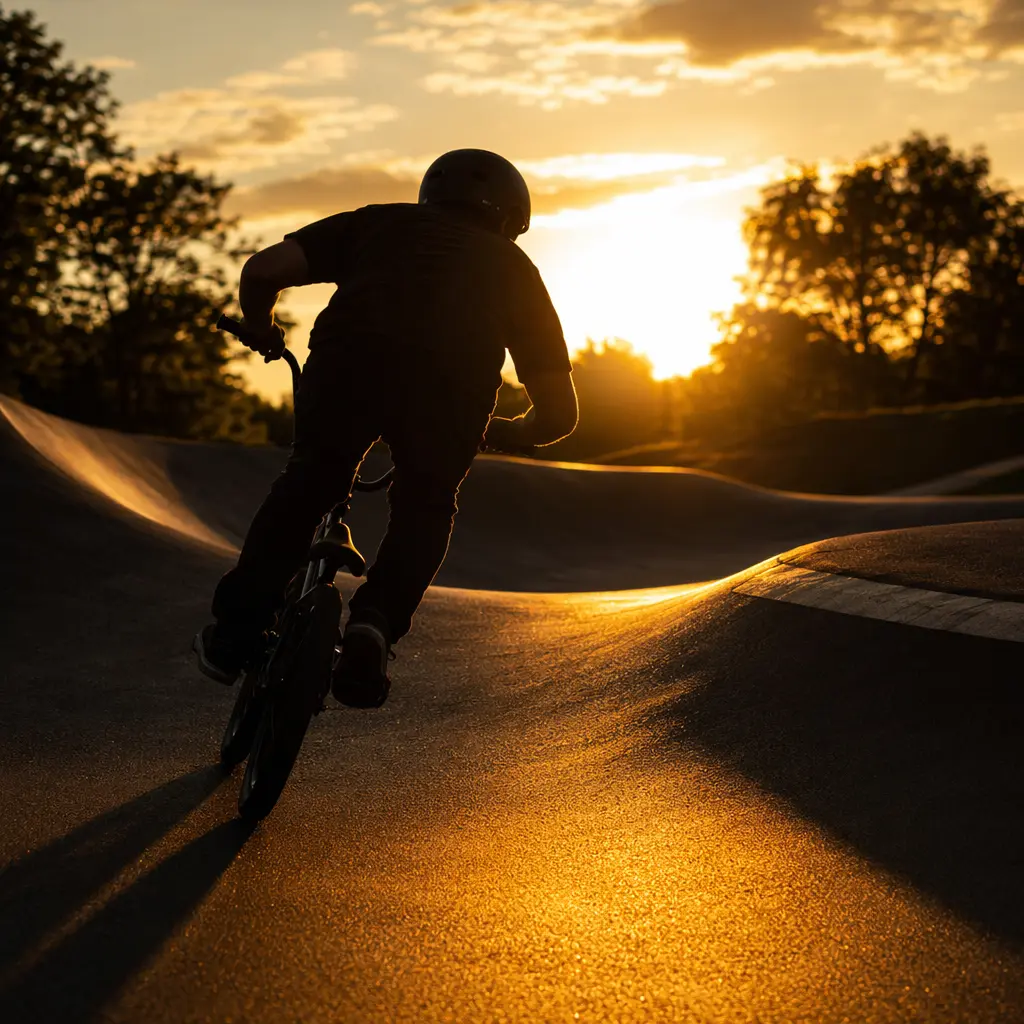
For riders eyeing up pump tracks, skate parks or casual sessions on concrete, the big question is whether a BMX bike makes more sense than a cheap mountain bike. On paper, an entry-level MTB looks more versatile. In practice, tight tracks, smooth surfaces and jump-focused riding often favour the simplicity and toughness of a BMX. This guide explains who a BMX is for, where it beats a budget MTB, and where it clearly does not.
What you actually get at this price
At the entry to mid end of the BMX market, the focus is not on gears or comfort, but on strength and responsiveness. Money goes into a compact steel frame, small wheels and components designed to survive repeated knocks from jumps, coping and hard landings. Compared with a cheap mountain bike, there is less kit overall, but what is there is usually tougher.
By contrast, a low-cost mountain bike spreads the budget thinly across suspension, gears and larger wheels. That often means heavier parts and more maintenance, especially when used in environments they were not designed for, like concrete parks.
- Frame: typically hi-ten or chromoly steel, short wheelbase for easy lifting and quick turns
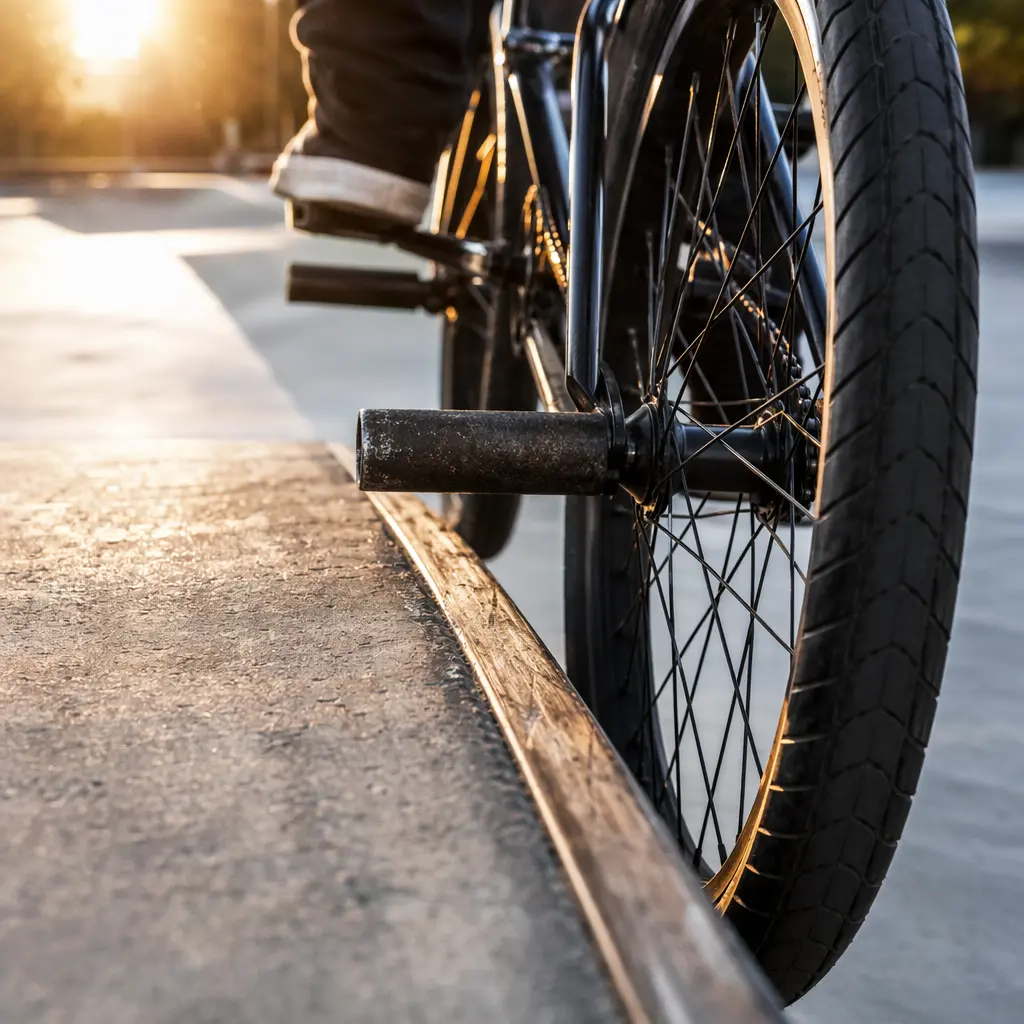
- Wheels: 20-inch with thick rims and wide tyres for impact resistance
- Gearing: single-speed, optimised for pumping and short bursts rather than top speed
- Brakes: usually a rear U-brake or caliper; simple and easy to adjust
- Extras: no suspension, no mudguards, no rack mounts, minimal saddle padding
How to choose
The decision hinges on where and how the bike will be ridden. Pump tracks reward bikes that accelerate quickly, respond instantly to body movement and can be thrown around without fear. A BMX’s low weight, stiff frame and small wheels make it easier to generate speed by pumping rollers and transitions.
Fit matters more than spec. BMX sizing is mainly about top tube length and bar height rather than seat height. Taller riders should look for a longer top tube to avoid feeling cramped. Riders planning occasional street cruising or very light dirt may still prefer a dirt-jump style bike, but for smooth parks and tracks, the BMX geometry is purpose-built.
What to look out for
- Ride comfort: no suspension and small wheels mean rough ground feels harsh
- Limited range: single-speed gearing is tiring for longer rides or hills
- Seating: saddles are small and low, not designed for sitting and pedalling far
- Transport: no mounts for panniers, bottle cages or locks
- Skill curve: twitchy handling can feel unstable for complete beginners
Worth spending more on
Because BMX bikes are mechanically simple, small upgrades can make a noticeable difference. Stronger tyres with better sidewalls reduce punctures and improve grip on smooth concrete. A better chain and sprocket last longer under repeated hard starts.
Safety kit is also money well spent. A well-fitting helmet, shin pads and gloves do more for riding confidence than another marginal bike upgrade. Compared with a cheap mountain bike, fewer components need upgrading, which can make BMX ownership cheaper over time.
Frequently asked questions
Is a BMX better than a mountain bike for pump tracks?
For smooth pump tracks, yes. BMX bikes accelerate faster, handle tighter turns and are easier to manual and jump. Cheap mountain bikes are heavier and their suspension often works against pumping efficiency.
Can a BMX be used for casual riding around town?
Short trips are fine, but comfort is limited. The single gear and low saddle make longer rides or hills hard work compared with even a basic hybrid or mountain bike.
Are BMX bikes suitable for adults?
Yes. Many BMX frames are designed specifically for adult riders, with longer top tubes and taller bars. Correct sizing is essential to avoid cramped handling.
What about dirt jumps and trails?
Light dirt and hard-packed jumps are fine, but rough trails quickly show the limits of small wheels and no suspension. For mixed off-road use, a dirt jump bike or hardtail MTB is more appropriate.
In short, a BMX bike is absolutely worth it for pump tracks and casual park riding if that is the main goal. It trades versatility for durability and fun in the right environment. For riders focused on concrete, transitions and jumps rather than distance, a BMX is often the smarter buy than a cheap mountain bike.
Find these on Amazon
As an Amazon Associate, CheapBikes earns from qualifying purchases.