Hardtail mountain bikes under £600: which are trail‑capable?
Under £600 can buy a hardtail that survives real UK trails — or a bike-shaped object. This guide explains what’s genuinely rideable at this price, what’s compromised, and how to spot supermarket-grade MTBs to avoid.
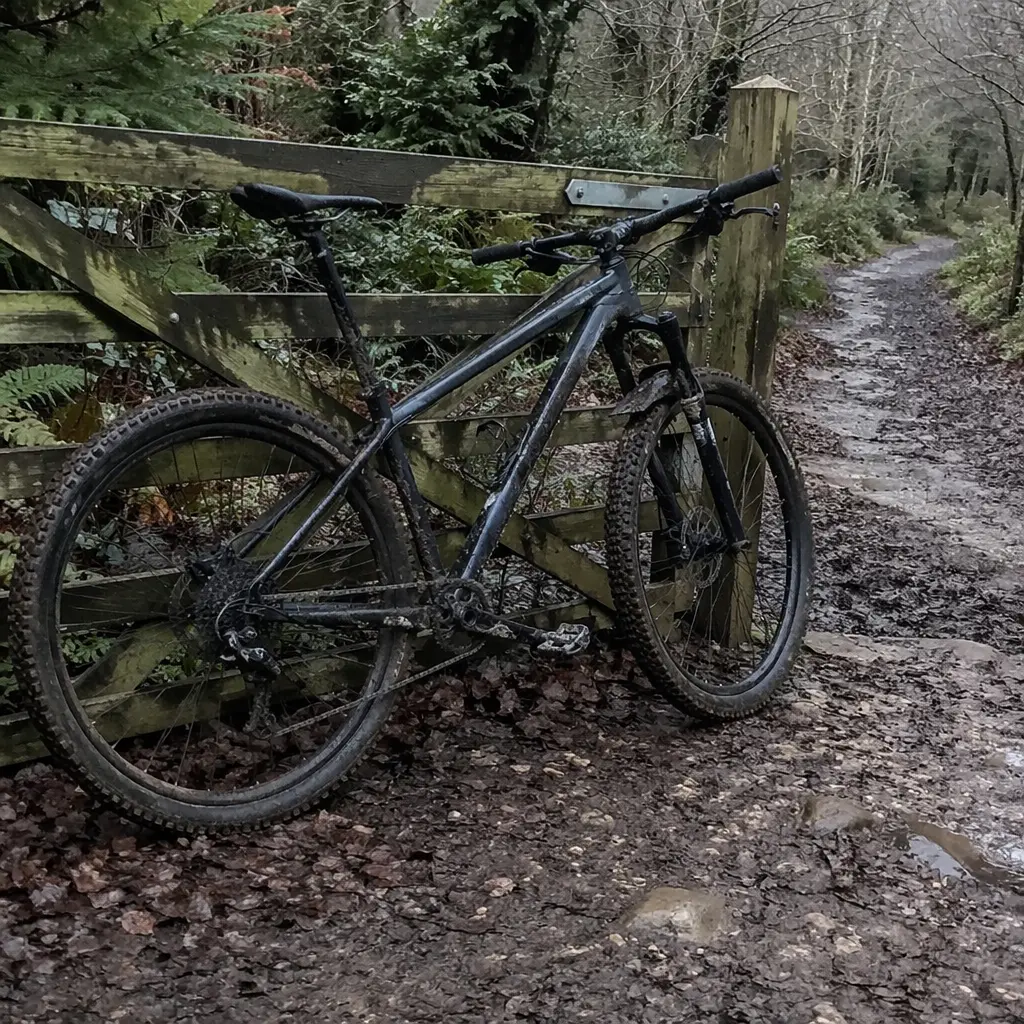
A £600 hardtail sits right on the line between a proper mountain bike and something that only looks the part. For UK riders wanting to tackle real trails — roots, rocks, wet climbs and the odd drop — the difference matters. This guide is for riders who want genuine off‑road capability without paying four figures, and who need to know which compromises are acceptable and which will hold them back.
What you actually get at this price
At under £600, every hardtail mountain bike involves trade‑offs. The good news is that modern budget MTBs are far more capable than they were a decade ago. The bad news is that corners still get cut — often in places that matter off‑road.
Trail‑capable bikes in this bracket usually focus spend on the frame and brakes, while accepting heavier wheels, simpler drivetrains and basic suspension. That can still work well for UK trail centres and natural bridleways, as long as expectations are realistic.
- Frame: aluminium only, typically heavier tubing with conservative trail geometry
- Fork: coil‑sprung suspension, usually 100–120mm travel, basic damping
- Brakes: hydraulic disc brakes from entry‑level ranges; mechanical discs are a red flag
- Drivetrain: 1x or wide‑range 2x setups with basic shifters and derailleurs
- Wheels and tyres: strong but heavy rims; tyres prioritise durability over grip
- Extras: rarely include pedals; mudguard and rack mounts vary by frame
How to choose
The first decision is where and how you’ll ride. If your idea of trails is red and blue trail‑centre loops, a £600 hardtail can absolutely cope. If you’re aiming for black runs, bigger jumps or uplift days, this budget will feel limiting very quickly.
Fit and geometry matter more than brand names. Look for a bike that offers sizes rather than a vague S/M/L split, and prioritise a longer, lower front end over an upright, short feel. Slacker head angles and shorter stems improve control on descents, even at this price.
What to look out for
- Mechanical disc brakes instead of hydraulics — weak and inconsistent in the wet
- Suspension forks with unknown branding or no damping adjustment
- Very heavy complete bike weights, often over 16kg, which sap energy on climbs
- Outdated geometry with steep head angles that feel nervous on descents
- No provision for a dropper post, limiting future upgrades
- Sold fully assembled with no sizing guidance, often a sign of supermarket stock
Worth spending more on
If you can stretch slightly beyond the bike itself, a few upgrades transform how a budget hardtail rides. Tyres are the biggest win: swapping stock rubber for better‑gripping trail tyres improves confidence far more than chasing lighter parts.
A dropper seatpost is another game‑changer if the frame allows it, letting you get the saddle out of the way on descents. Finally, don’t ignore contact points — a comfortable saddle and decent flat pedals help control and reduce fatigue on longer rides.
Frequently asked questions
Are £600 hardtails safe for real mountain biking?
Yes — provided they’re from a reputable cycling brand and have hydraulic disc brakes. They’re designed for trail riding, not extreme jumps or downhill abuse.
Is a coil fork bad?
Not necessarily. Coil forks are heavier and less adjustable than air forks, but they’re robust and predictable. The limitation is performance, not safety.
Should I buy used instead?
Used can offer better components for the money, but only if you know what to check. Worn drivetrains, tired suspension and hidden damage can quickly erase any savings.
Are supermarket MTBs ever worth it?
For road or park use, maybe. For real trails, no. The components and frames are rarely designed for sustained off‑road riding and can fail prematurely.
In short, £600 is enough for a genuine, trail‑capable hardtail if you buy carefully — focus on brakes, geometry and frame quality, and avoid bikes that trade safety for a low headline price.
Find these on Amazon
As an Amazon Associate, CheapBikes earns from qualifying purchases.