Gravel vs hybrid bikes at £600: which suits UK back roads?
At £600, gravel and hybrid bikes overlap. This guide compares comfort, speed and practicality on UK lanes, tarmac and rough shortcuts—so you pick the most versatile option for mixed riding.
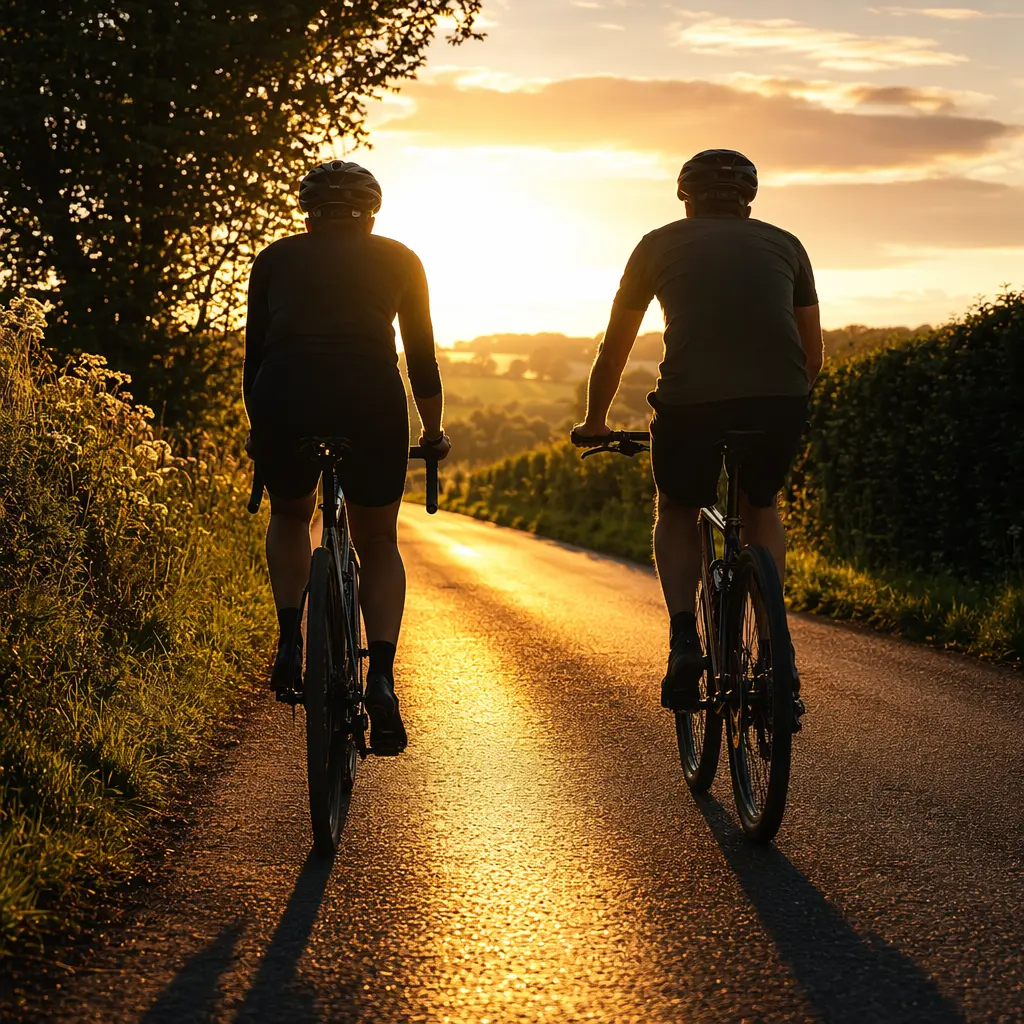
£600 is a crowded middle ground where gravel bikes and hybrids start to blur. For UK riders mixing tarmac, potholed lanes, canal paths and the odd gravel shortcut, the question isn’t which is ‘better’—it’s which fits how those miles are actually ridden. This comparison cuts through the overlap and explains where each style wins, and what’s compromised at this price.
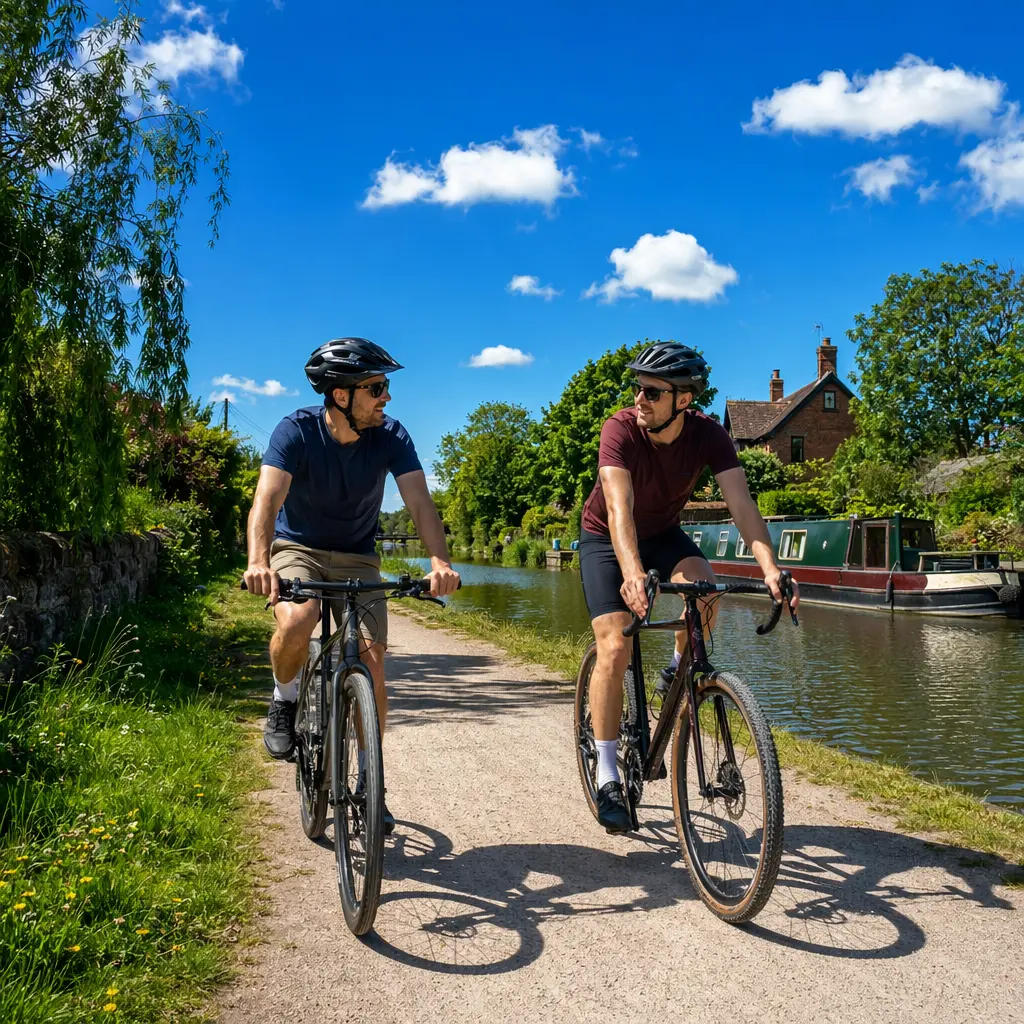
What you actually get at this price
At around £600, both categories deliver usable, everyday bikes—but not without trade-offs. Frames are typically aluminium, forks are alloy or basic carbon-look units without damping, and finishing kit is functional rather than flashy. The differences show up in controls, tyre clearance and riding position.
Gravel bikes at this money lean entry-level but capable. Hybrids prioritise ease and practicality. Neither is ‘cheap’ junk, but neither matches the refinement of bikes a few hundred pounds higher.
- Frame: aluminium on both; gravel frames usually have longer wheelbases for stability
- Fork: alloy or basic rigid forks; little vibration damping at this price
- Gearing: gravel often 2x8 or 1x with wide-range cassettes; hybrids typically 2x or 3x with closer road-friendly steps
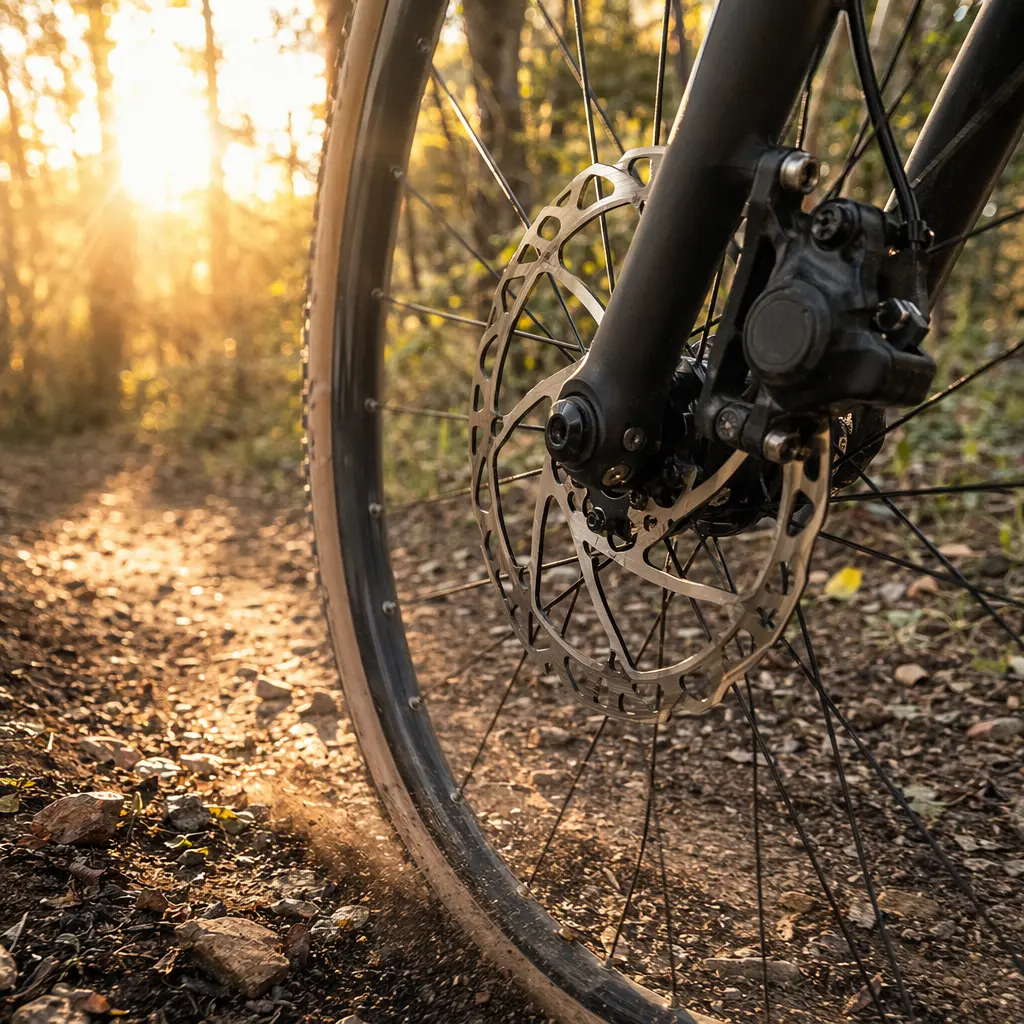
- Brakes: mechanical disc brakes are common; powerful enough but need adjustment
- Tyres: gravel bikes ship with 35–40mm semi-knobbly tyres; hybrids with 32–38mm smoother rubber
- Mounts: hybrids more likely to include rack and mudguard mounts as standard
How to choose
Think first about riding position. Gravel bikes use drop bars, giving multiple hand positions and a lower, more aerodynamic stance. That helps on longer rides and windy lanes, but can feel stretched for casual riders. Hybrids use flat bars, offering upright comfort and confident steering in traffic or on rough patches.
Next, consider surface mix. If rides are mostly tarmac with broken edges and the occasional bridleway, a hybrid’s faster steering and simpler controls make sense. If routes regularly link lanes with gravel tracks or rough farm roads, a gravel bike’s stability and tyre clearance pay off. Fit matters more than labels—check reach and stack, not just size.
What to look out for
- Heavy wheels and tyres that dull acceleration
- Basic mechanical discs that need frequent cable tweaks
- Limited tyre clearance on some hybrids
- No rack or mudguard mounts on sportier gravel frames
- Wide gearing gaps on budget 1x setups
- Cheap saddles that are fine for short rides only
Worth spending more on
Small upgrades can transform a £600 bike. Tyres are the biggest win: lighter, higher-quality rubber improves comfort and grip instantly. A better saddle tailored to your sit bones makes longer rides realistic, regardless of bike style.
Contact points matter too. Grips or bar tape with padding reduce fatigue, and decent flat pedals with metal pins improve control on rough ground. If riding year-round, proper mudguards are more valuable than shaving weight.
Frequently asked questions
Is a gravel bike slower on the road?
Not necessarily. With smoother tyres, a gravel bike can be nearly as quick as a hybrid on tarmac, especially over longer distances. Stock tyres are often the limiting factor.
Can a hybrid handle gravel paths?
Yes, within reason. Well-packed towpaths and light gravel are fine, but very loose or rutted surfaces expose the limits of steeper geometry and narrower tyres.
Which is better for commuting?
Hybrids usually win thanks to upright comfort, flat-bar control in traffic and easier fitting of racks and mudguards.
Are mechanical disc brakes good enough?
They’re adequate for UK conditions, offering consistent stopping in the wet. Expect to adjust them more often than hydraulics.
In short: choose a gravel bike if mixed routes and longer rides dominate, or a hybrid if everyday comfort and practicality matter most. At £600, fit and intended use outweigh the badge on the frame.
Find these on Amazon
As an Amazon Associate, CheapBikes earns from qualifying purchases.