Gravel vs commuter bikes at £500: which suits UK towns?
Gravel or commuter at £500? This guide breaks down comfort, speed and practicality for UK town riding on potholes, paths and roads — and explains the compromises at this budget.
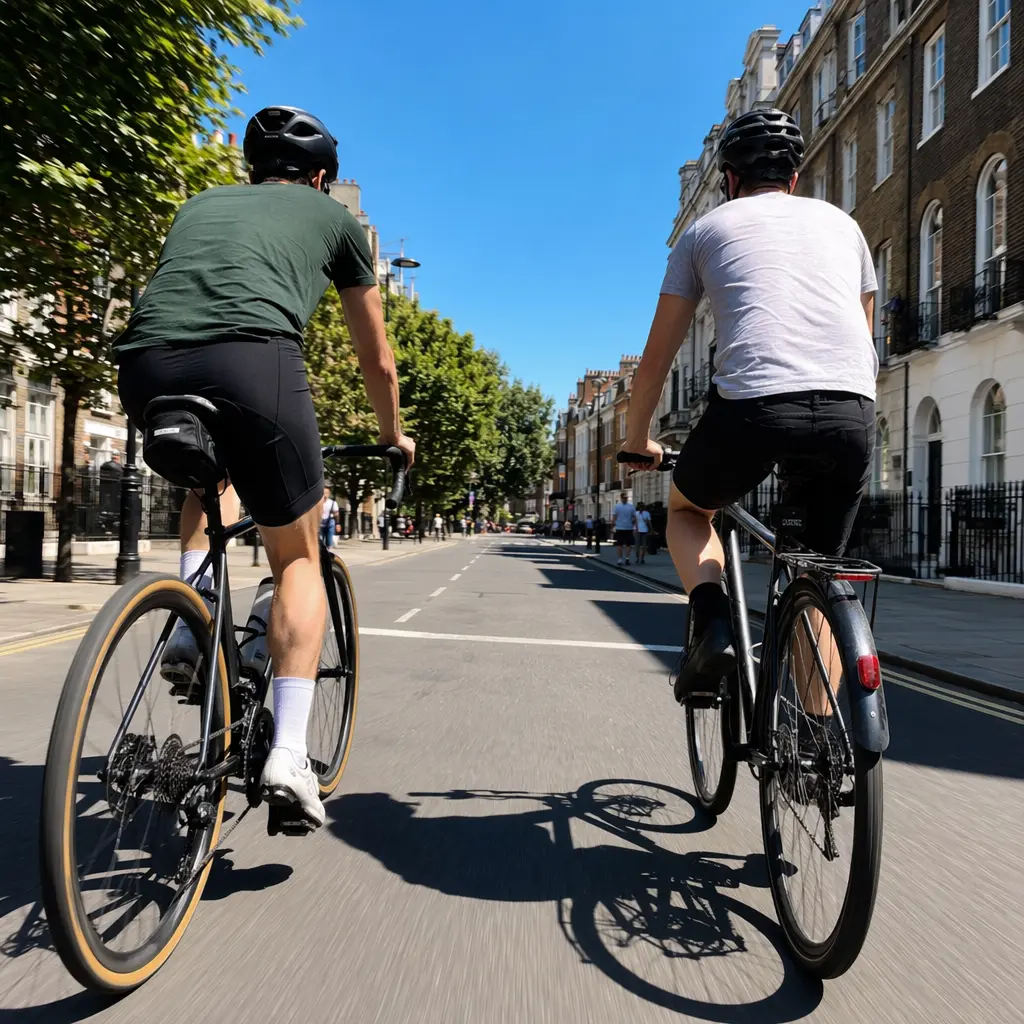
At around £500, UK riders often face a familiar dilemma: go for a gravel bike that promises versatility across roads and rough paths, or choose a commuter bike built for simple, everyday town riding. With potholes, kerbs, towpaths and traffic to contend with, the right choice can make daily journeys more comfortable — or more frustrating. This guide compares gravel and commuter bikes at this price point, focusing on what actually matters for town use.
What you actually get at this price
At £500, both gravel and commuter bikes sit firmly in the entry-level bracket. Frames are usually aluminium, with basic but functional components designed to keep costs down. The differences are less about quality and more about priorities.
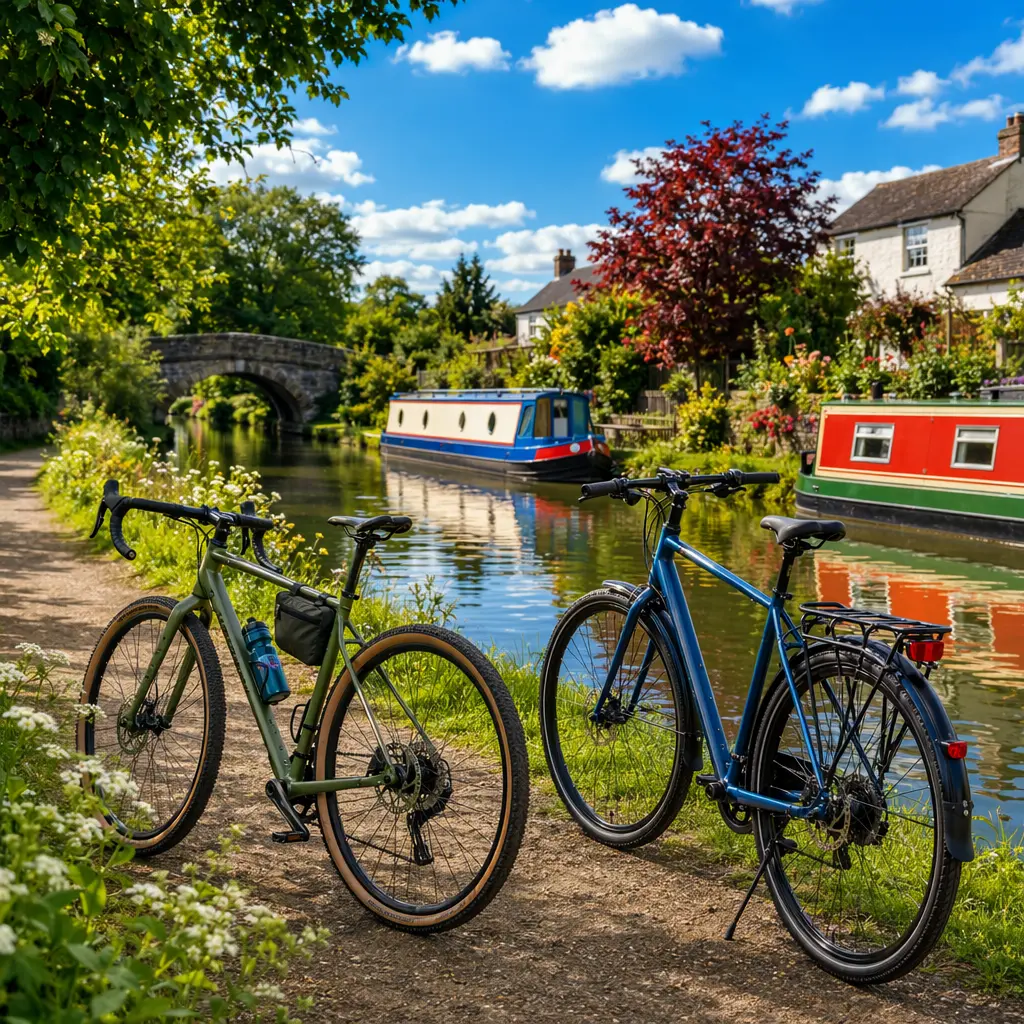
A gravel bike at this budget aims for versatility, borrowing road-bike shapes but adding clearance for wider tyres. A commuter bike, by contrast, focuses on practicality and ease of use, often arriving ready for daily riding straight out of the box.
- Frame: aluminium on both; gravel frames often have sportier geometry
- Gearing: wide-range but basic drivetrains; gravel bikes may use simpler road-style gearing
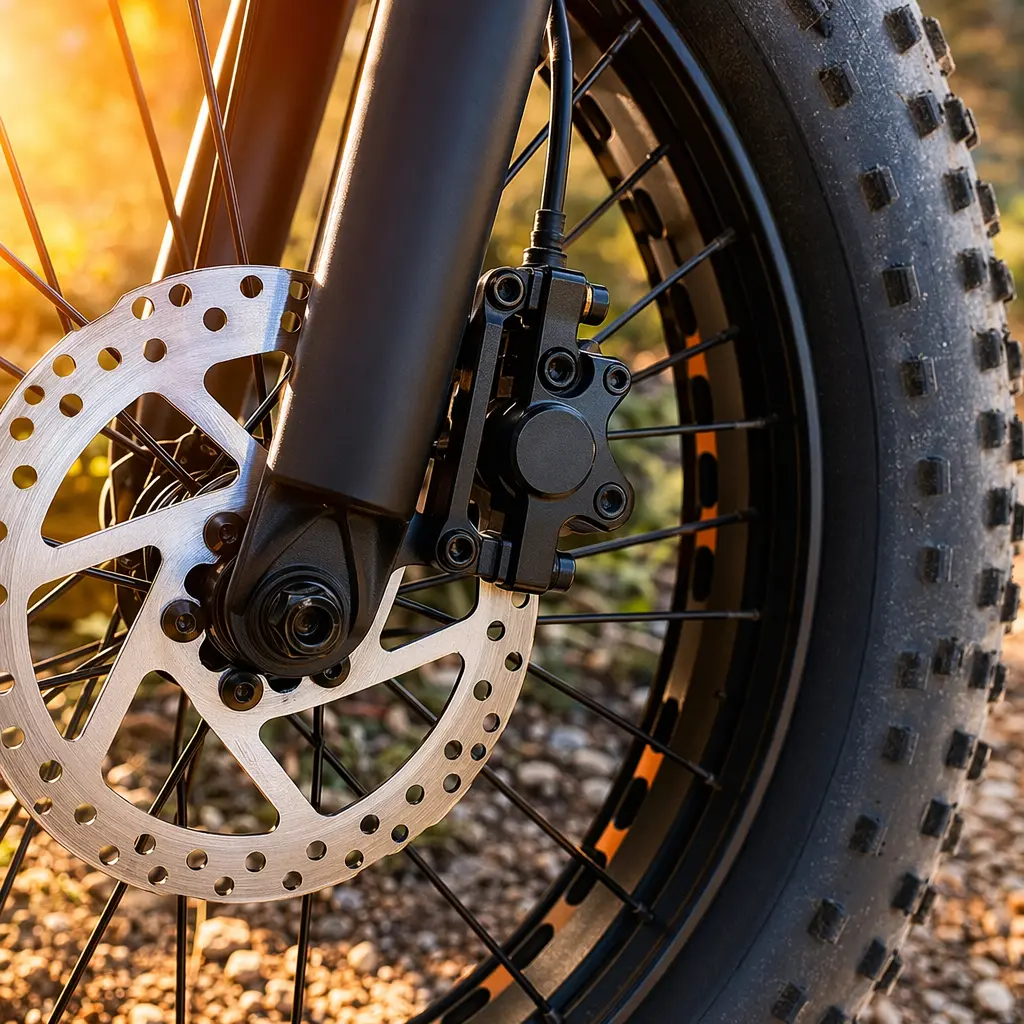
- Brakes: usually mechanical disc brakes on both, offering all-weather reliability
- Tyres: gravel bikes run wider, semi-knobbly tyres; commuters use smoother, road-focused rubber
- Extras: commuters often include mudguards, racks and sometimes lights; gravel bikes usually do not
How to choose
For UK town riding, the biggest decision is how you actually travel day to day. Short commutes with stops, traffic lights and frequent locking-up favour simplicity. Longer rides that mix tarmac with towpaths or broken roads reward comfort and stability.
Gravel bikes suit riders who want one bike for many jobs — commuting during the week, exploring rougher routes at weekends. The drop bars offer multiple hand positions, which can help on longer rides, but they feel less intuitive in stop-start traffic. Commuter bikes prioritise upright comfort, flat bars for easy control, and fittings that make carrying bags and fitting locks straightforward.
What to look out for
- Weight: entry-level gravel bikes can feel heavy once racks and guards are added
- Basic shifters: cheaper components may feel stiff or imprecise
- Limited mounts: some gravel frames lack rack or mudguard eyelets
- Stock tyres: budget tyres can be slow or puncture-prone
- Fit issues: aggressive gravel geometry may not suit relaxed town riding
Worth spending more on
At this price, small upgrades can transform how a bike feels. Tyres are the biggest improvement per pound: swapping to higher-quality puncture-resistant tyres makes town riding faster and more reliable. A comfortable saddle matched to your riding position also pays dividends on daily trips.
For commuters, a solid lock and proper lights are essential and often better bought separately than relying on bundled accessories. Gravel riders may benefit from switching to smoother tyres for town use, saving the knobbly originals for weekend rides.
Frequently asked questions
Is a gravel bike too slow for commuting?
Not necessarily. On tarmac, gravel bikes can be efficient, especially with smoother tyres. However, wider tyres and heavier frames can make them feel slower off the line compared with a commuter bike.
Are commuter bikes comfortable on rough roads?
They can be, but comfort depends on tyre width and pressure. Many commuters use narrower tyres, which transmit more road buzz than the wider rubber found on gravel bikes.
Can I add racks and mudguards to a gravel bike?
Some gravel frames include mounts, but not all. At £500, it’s important to check before buying if year-round commuting is the goal.
Which is better for beginners?
Most beginners find commuter bikes easier to handle in traffic thanks to flat bars and upright posture. Gravel bikes suit confident riders or those planning mixed-terrain use.
In short, a £500 commuter bike is usually the smarter choice for straightforward UK town riding, while a gravel bike makes sense for riders who want flexibility beyond the commute — as long as they accept a few compromises.
Find these on Amazon
As an Amazon Associate, CheapBikes earns from qualifying purchases.