Best road bikes under £650 for fitness-first riders (2026)
A clear-eyed guide to road bikes under £650 that finally feel lively. What you really get, where corners are cut, and how to choose a fast, fitness-focused ride without overpaying.
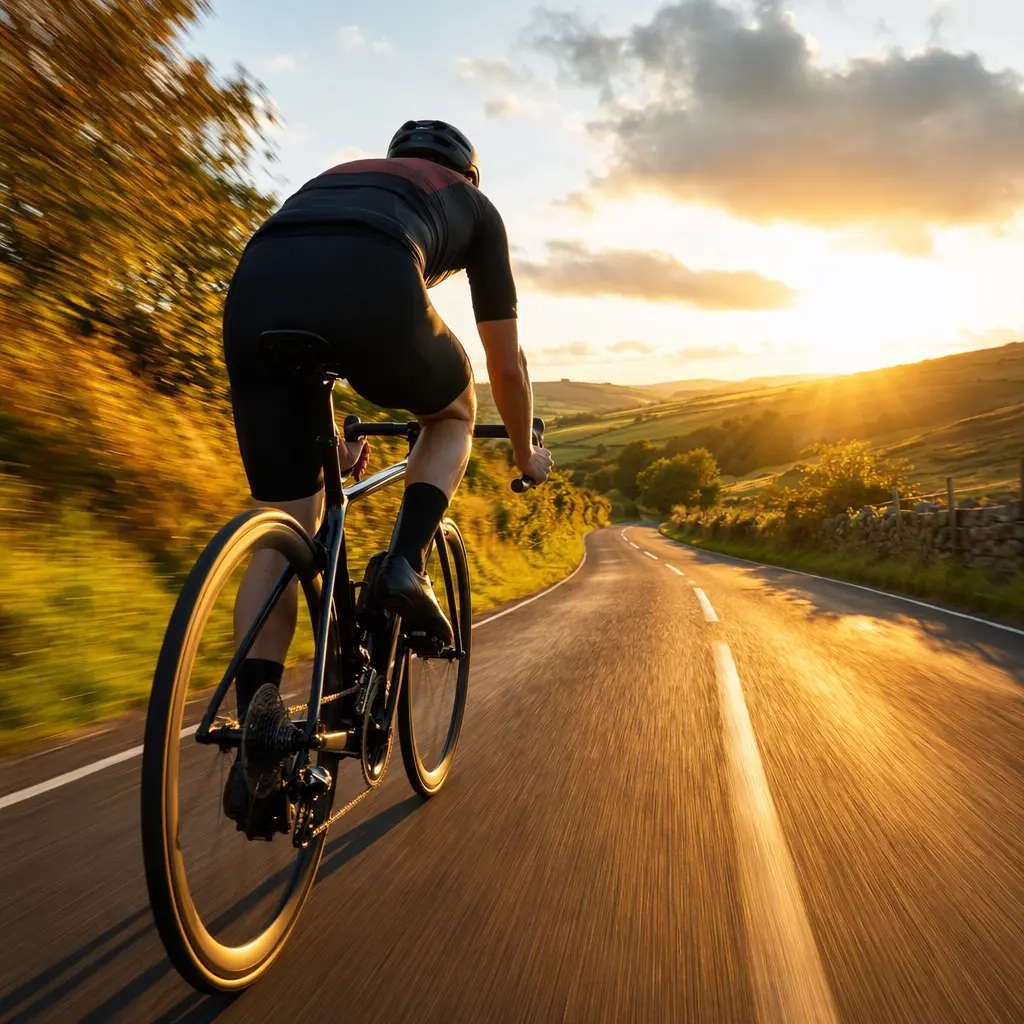
Road bikes under £650 sit at a turning point. Below this level, bikes can feel heavy and dull; at this budget, the better options finally start to reward effort with speed. This guide is for fitness‑first riders who want to go faster on the road, build endurance, and enjoy that light, responsive feel — without paying for race branding or premium components.
The aim here is value rather than hype. At £650, every brand makes compromises, but some choices matter far more than others. Get those right, and an entry‑level road bike can feel genuinely motivating rather than merely serviceable.
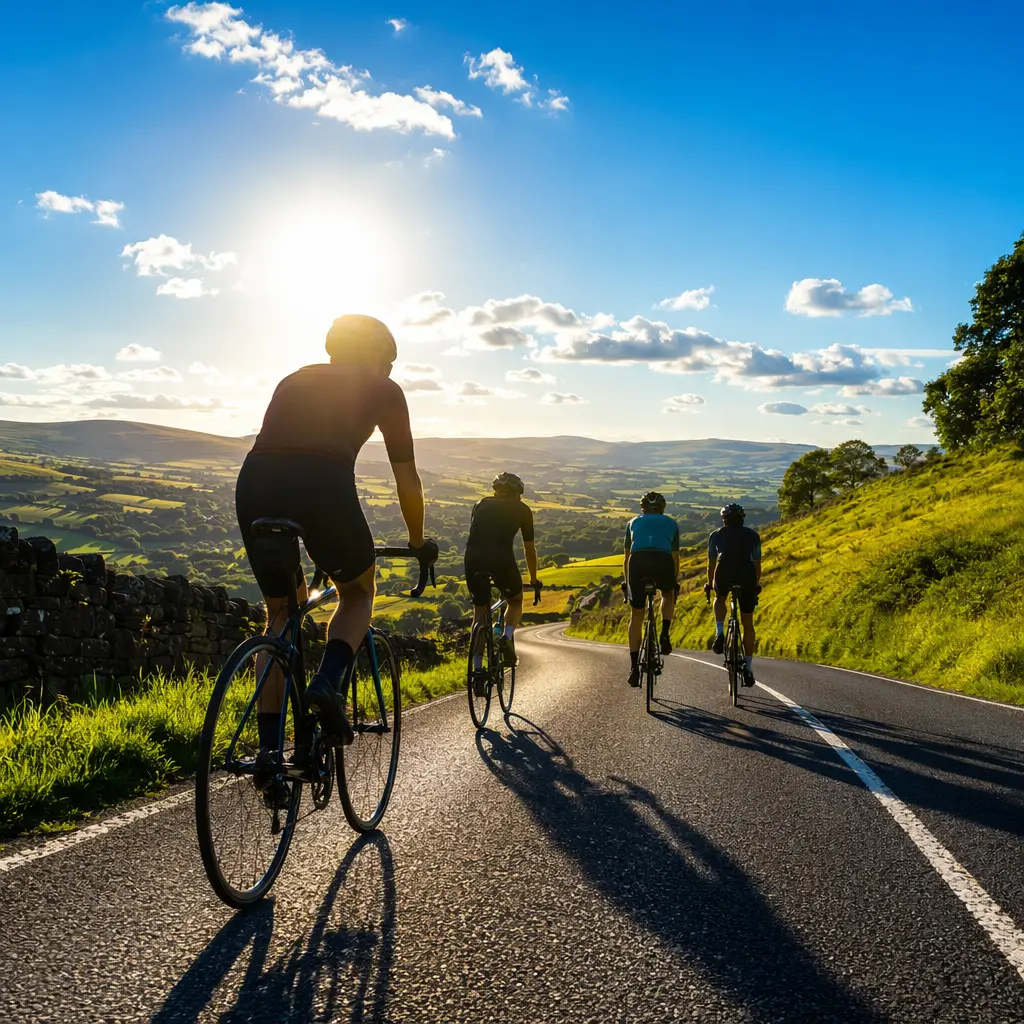
What you actually get at this price
Under £650, road bikes are still built to a budget, but the fundamentals are now sound. Frames are usually aluminium with a carbon or alloy fork, keeping weight reasonable and steering precise. Geometry is typically endurance‑leaning rather than aggressive race, which suits longer fitness rides.
Components won’t be flashy, but the better bikes at this price avoid the worst compromises. Expect dependable shifting, safe braking, and gearing that’s forgiving enough for real‑world UK roads.
- Frame: aluminium alloy with endurance-focused geometry
- Fork: straight-blade alloy or basic carbon to reduce road buzz
- Gears: 2x8 or 2x9 setups using entry-level Shimano or Microshift road groups
- Brakes: dual‑pivot rim brakes or basic mechanical disc brakes
- Wheels: robust, mid‑weight alloy wheels prioritising durability over speed
- Tyres: 25–28mm road tyres, often wire‑bead rather than folding
- Extras: usually none — mudguards, rack mounts and pedals are often optional
How to choose
For fitness riding, the bike’s feel matters more than its spec sheet. Look for a frame that doesn’t feel overly upright or flexy when you push harder. Endurance geometry is fine, but it should still encourage a forward, efficient riding position.
Fit is critical. Many riders gain more speed from the right frame size than from any component upgrade. Check reach and stack measurements if available, and don’t assume sizing is consistent between brands. If most rides include hills, prioritise a wide gear range over marginal weight savings.
What to look out for
- Very heavy wheels that dull acceleration
- Off‑brand shifters with vague or inconsistent shifting
- Narrow tyre clearance that limits comfort on rough roads
- Mechanical disc brakes with poor adjustment or weak power
- No mudguard mounts, limiting winter training options
- Ultra‑cheap saddles and bar tape that need early replacement
Worth spending more on
A sub‑£650 road bike becomes far more enjoyable with a few smart upgrades. Tyres are the biggest win: quality folding tyres with decent puncture protection transform speed and comfort more than any drivetrain change.
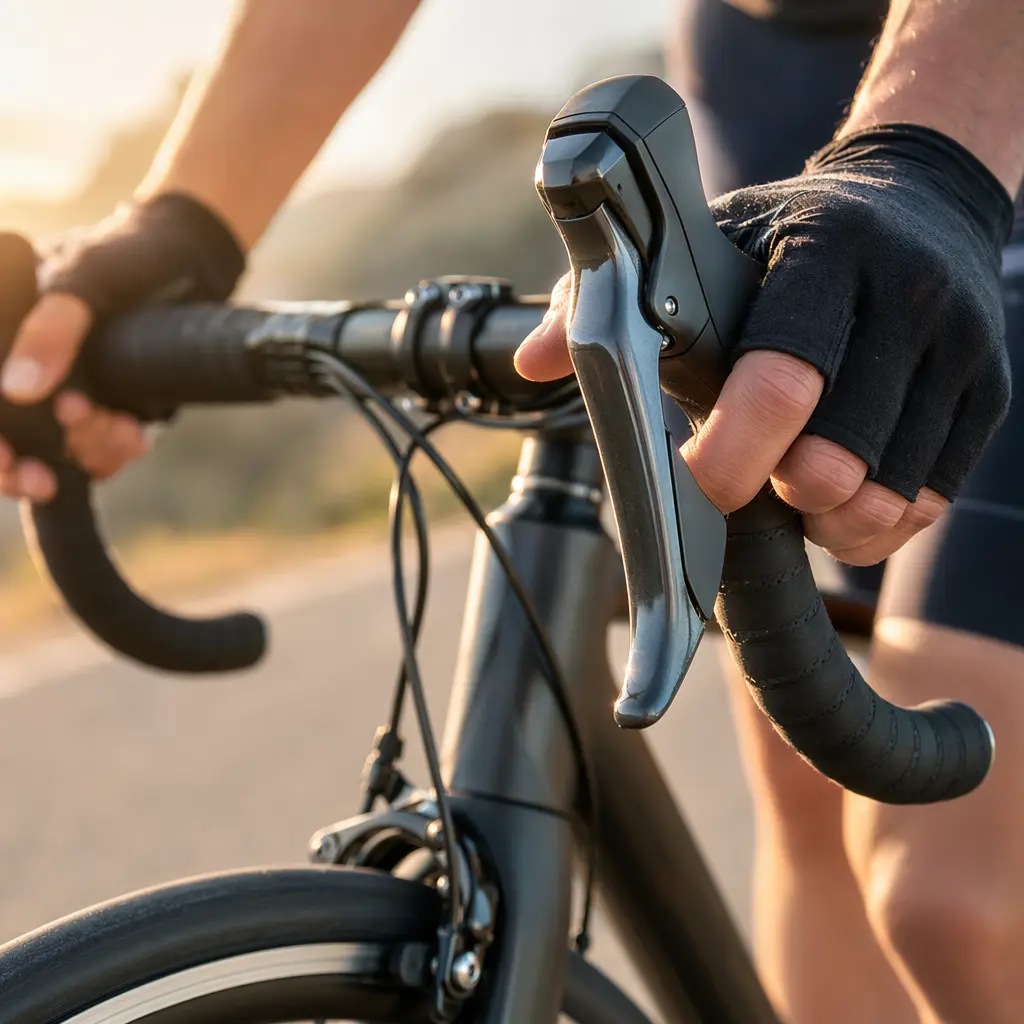
Comfort upgrades also pay off on longer fitness rides. A better saddle, thicker bar tape and reliable clipless pedals help you ride longer and more consistently — which matters more than shaving a few grams.
Frequently asked questions
Are road bikes under £650 fast enough for real training?
Yes. While they won’t match higher‑end bikes for weight or stiffness, a well‑chosen model at this price is more than capable of structured fitness riding, club runs and long solo sessions.
Is rim brake or disc better at this budget?
Good rim brakes are often lighter and simpler at this price. Cheap mechanical discs offer wet‑weather confidence but can feel spongy if poorly set up. Condition and setup matter more than brake type.
Can these bikes take wider tyres?
Many can handle 28mm tyres, which is ideal for UK roads. Clearance beyond that is less common, so check carefully if comfort is a priority.
Is buying used a better option?
Used bikes can offer higher specs for the money, but condition is everything. For riders new to road cycling, a new bike with warranty and shop support is often the safer choice.
At £650, road bikes finally start to feel rewarding rather than restrictive. Choose carefully, prioritise fit and tyres, and an entry‑level bike can deliver real speed — and real motivation — from the very first ride.
Find these on Amazon
As an Amazon Associate, CheapBikes earns from qualifying purchases.