Best mountain bikes under £450 for paths, parks and trails
A clear-eyed guide to mountain bikes under £450 that get the basics right: usable disc brakes, forks that work, and frames ready for UK paths, parks and light trails.
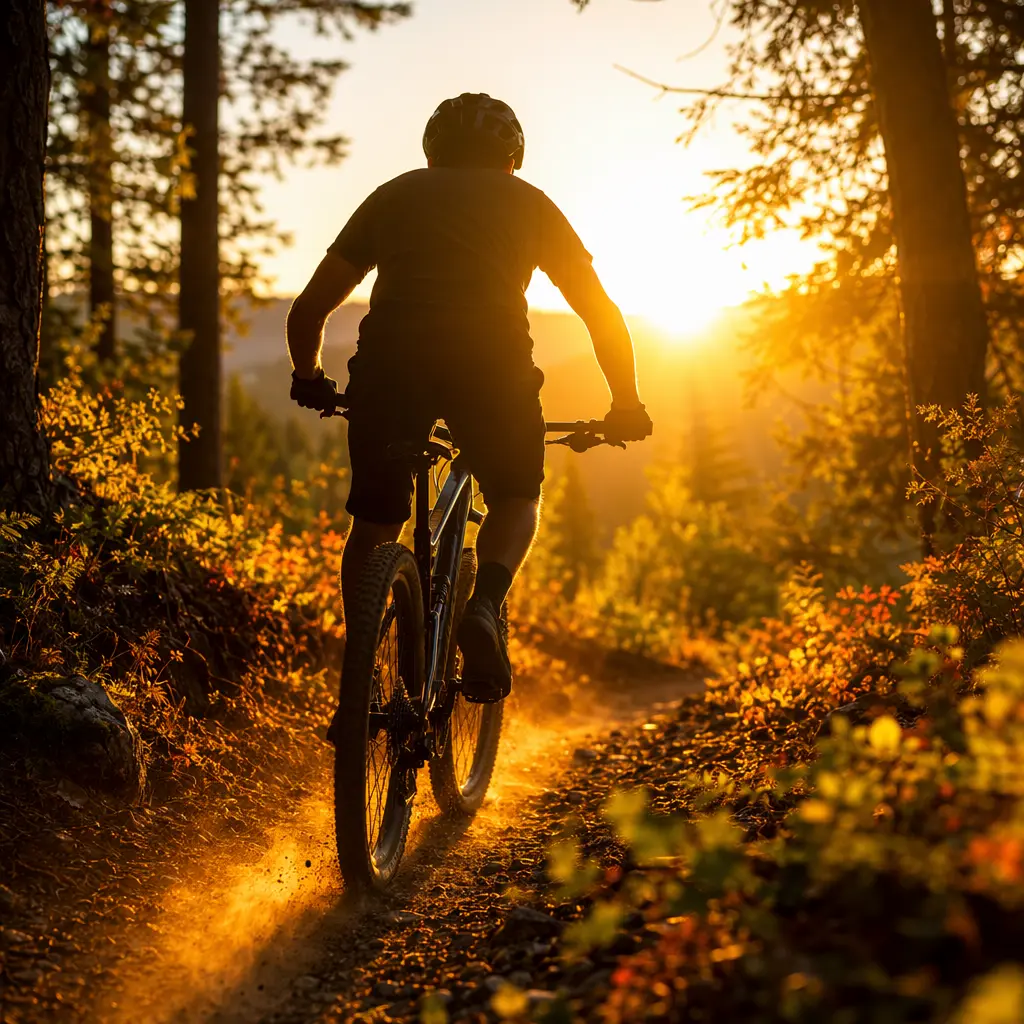
This is the price point many riders land on when they want a proper mountain bike feel without overspending. Under £450 is where disc brakes become the norm and suspension forks start to feel functional rather than disposable. The goal here isn’t racing or big drops, but a bike that’s confident on canal paths, park loops and the odd weekend trail without constant upgrades.
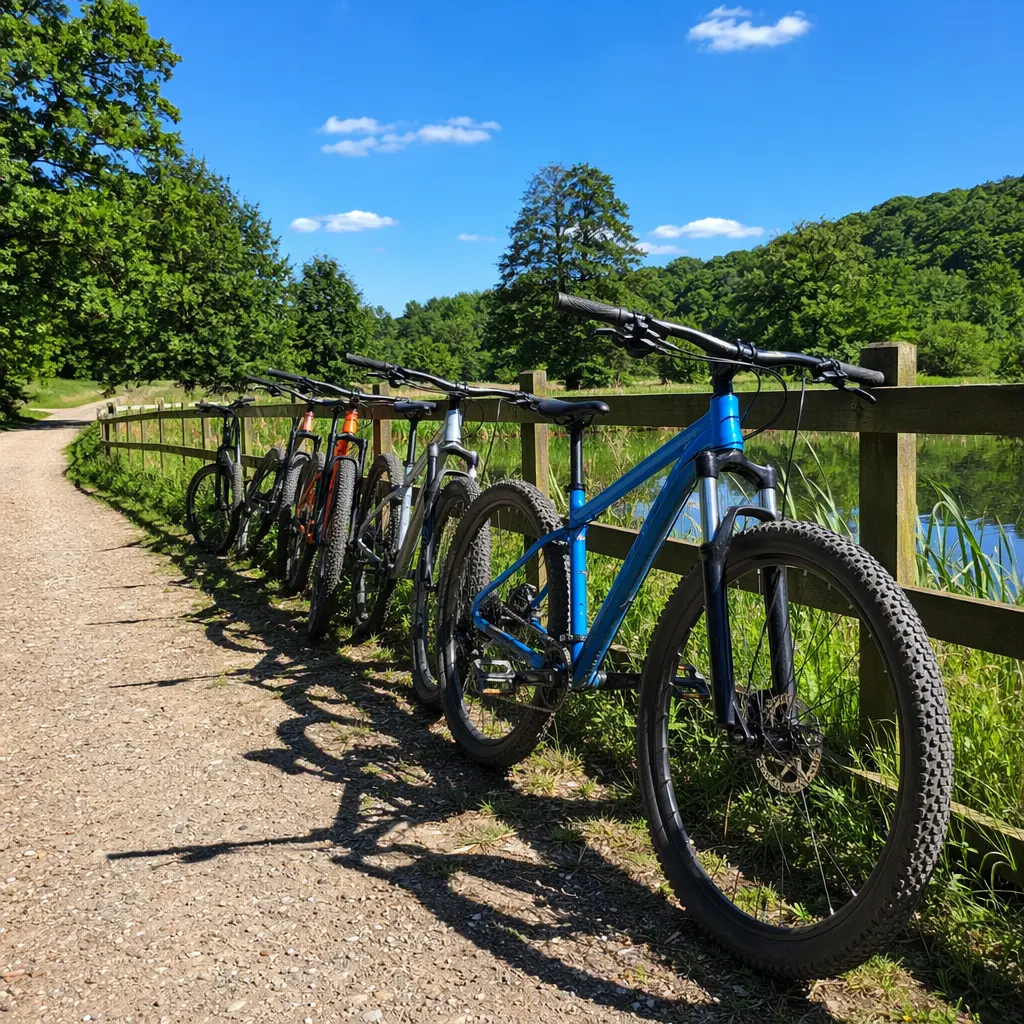
What you actually get at this price
At under £450, expectations need to be realistic. Frames are almost always aluminium, designed for durability rather than ultra-light weight. Geometry is generally conservative: stable and upright enough for beginners, but still capable on mellow trails. The big step up at this budget is braking and suspension that works consistently, even if it isn’t fancy.
Components are chosen for value and reliability. You won’t get cutting-edge tech, but you should expect parts that are widely available and easy to service in the UK. The focus is on keeping the bike rideable in poor weather and forgiving on rough surfaces.
- Frame: aluminium hardtail with basic internal or external cable routing; usually mounts for a bottle cage, sometimes rear rack eyelets
- Fork: coil-sprung suspension, typically 80–100mm travel; heavier than air forks but tougher for year-round use
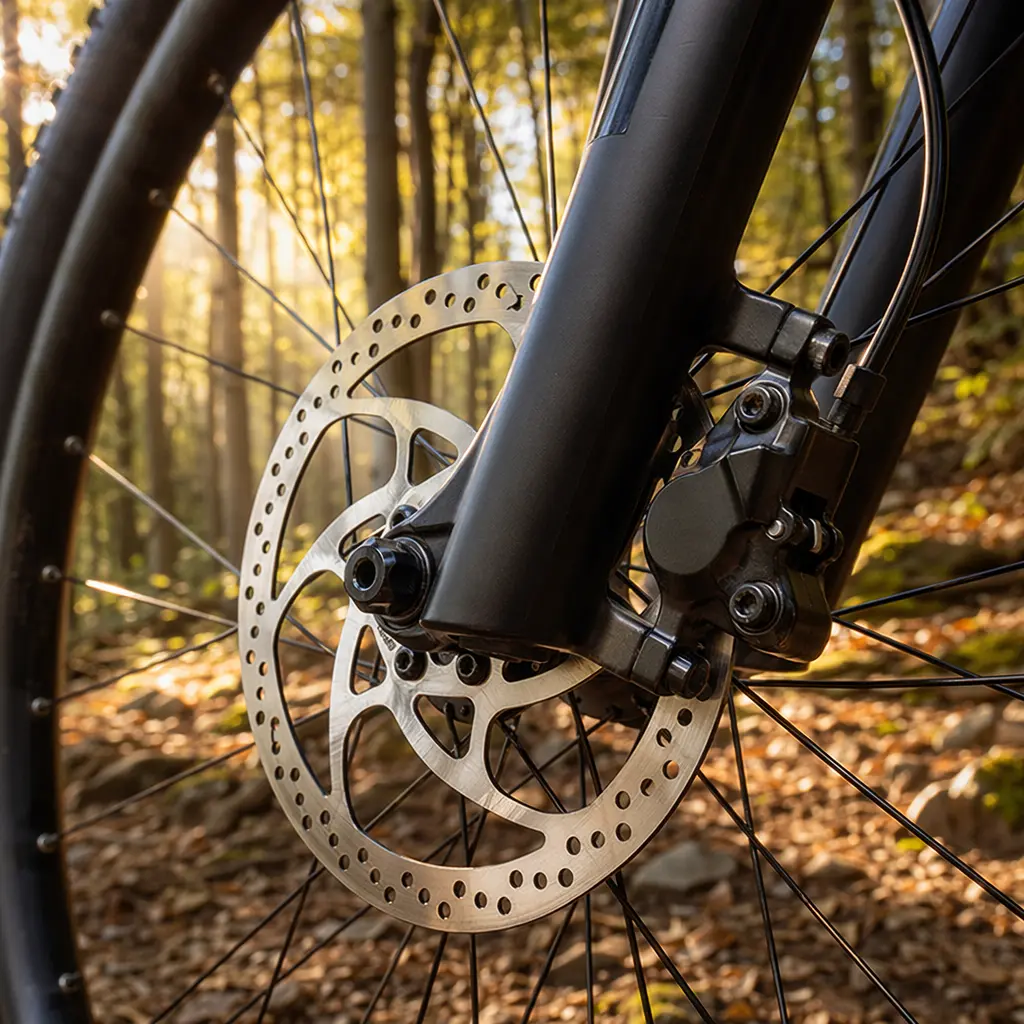
- Brakes: mechanical or entry-level hydraulic disc brakes; hydraulics are increasingly common and worth prioritising
- Gearing: 2x or wide-range 1x drivetrains using budget groupset tiers; enough range for hills without racing gaps
- Wheels and tyres: sturdy double-wall rims with general-purpose tyres around 2.1–2.25in for mixed surfaces
- Extras: pedals included as standard; mudguards and racks usually optional rather than fitted
How to choose
Fit matters more than brand at this level. A well-sized budget bike will feel more confident and controllable than a better-specced bike in the wrong size. Most manufacturers size by rider height; if you’re between sizes, sizing down often gives better handling on trails, while sizing up can feel steadier on paths.
Think honestly about where the bike will be ridden. For towpaths and parks, rolling tyres and a comfortable riding position are key. If weekend trails are part of the plan, prioritise disc brakes and a fork with a lockout to keep pedalling efficient on climbs and smooth paths. There’s no need to chase aggressive trail geometry if jumps and rock gardens aren’t on the menu.
What to look out for
- Very heavy forks with no damping control, which can feel pogo-like on rough ground
- Mechanical disc brakes with poor adjustment range; some are fine, others fade quickly in the wet
- Freewheel rear hubs instead of cassette hubs, limiting future upgrade options
- Wide handlebars paired with very short stems on small frames, making steering twitchy for new riders
- Tyres with hard rubber compounds that last well but lack grip on damp UK trails
Worth spending more on
Even on a tight budget, a few small upgrades can transform how the bike feels. Tyres are the biggest win: swapping stock rubber for better-compound tyres improves grip, comfort and confidence far more than chasing lighter parts. It’s also one of the cheapest changes to make.
Contact points matter too. Saddles and grips are personal, and budget stock items are chosen to suit the average rider. A comfortable saddle and lock-on grips can reduce fatigue and make longer rides more enjoyable. For safety, a quality helmet and a decent lock are better investments than shaving grams off the bike.
Frequently asked questions
Are bikes under £450 good enough for real trails?
Yes, for light to moderate trails. They’re designed for bridleways, woodland loops and trail centres’ green and blue routes. Big jumps, repeated drops and technical rock gardens are outside their comfort zone.
Is hydraulic disc braking essential?
It isn’t essential, but it’s highly recommended. Entry-level hydraulics offer better control in the wet and require less hand effort. At this price, they’re one of the clearest signs you’re getting good value.
Should I consider a used bike instead?
A well-maintained used bike can offer better components for the money, but condition is critical. Worn drivetrains, tired forks and bent wheels can quickly erase any savings if repairs are needed.
Can these bikes handle commuting too?
Many can, especially if they have rack or mudguard mounts. Fitting slicker tyres and guards can turn a budget mountain bike into a capable all-weather commuter.
In short, £450 is the sensible entry point for a mountain bike that feels dependable rather than disposable. Focus on fit, prioritise disc brakes and a decent fork, and you’ll have a bike ready for everyday paths and weekend escapes.
Find these on Amazon
As an Amazon Associate, CheapBikes earns from qualifying purchases.