Best folding bikes under £500 for occasional train travel
A plain‑English guide to folding bikes under £500 for UK train travel in 2026. What weight and folding quality you can realistically expect, what’s compromised, and how to choose without overpaying.
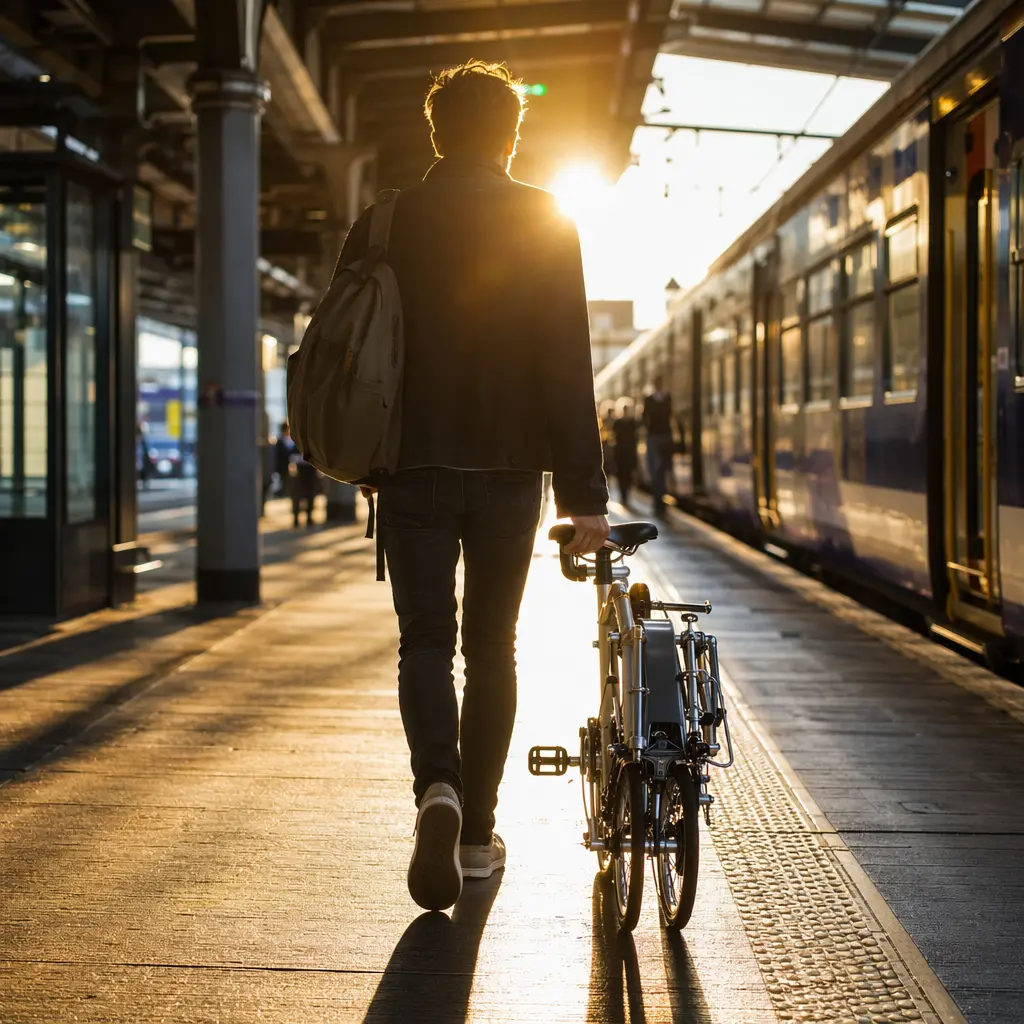
Folding bikes make train journeys easier, but genuinely good ones get expensive fast. Under £500 is the entry point where folding bikes become practical rather than frustrating — light enough to lift, compact enough for busy carriages, and reliable enough not to feel disposable. This guide is for occasional train users who want convenience without paying premium-brand prices, and who are realistic about the compromises that come with a tighter budget.
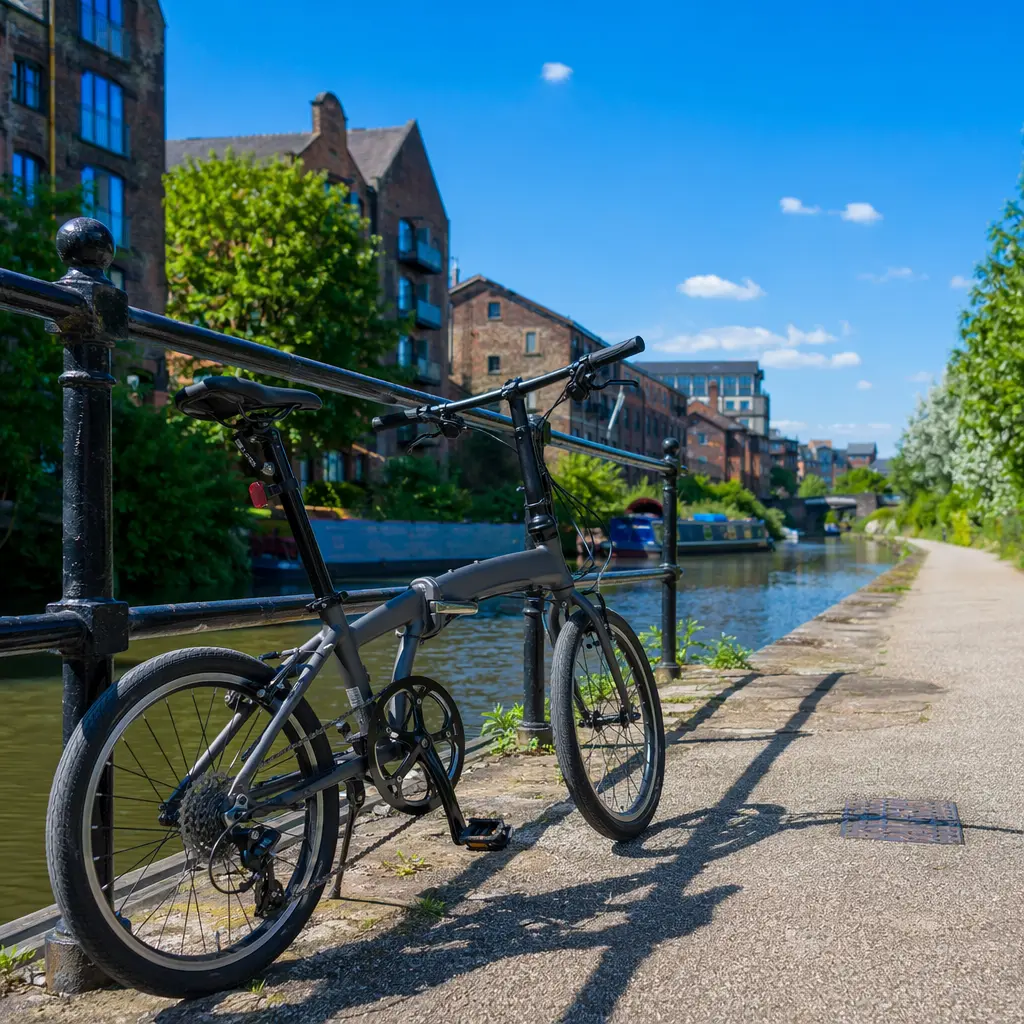
What you actually get at this price
At under £500, folding bikes focus on function over finesse. The goal is a bike that folds quickly, locks securely, and rides predictably for short urban trips. Weight and compactness improve noticeably compared with ultra‑cheap folders, but you are still some way off the refinement of high‑end commuter folders.
Most bikes in this bracket are designed for short rides to and from stations rather than long leisure cycles. Expect sensible geometry, small wheels for quick acceleration, and components chosen for durability rather than performance.
- Frame: steel or basic aluminium, prioritising strength over lightness
- Weight: typically 11–14kg, light enough to lift onto trains but noticeable on stairs
- Wheels: usually 16in or 20in, favouring stability and easy sourcing of tyres
- Gearing: single‑speed or simple 6–7 speed derailleur systems
- Brakes: V‑brakes or basic mechanical disc brakes
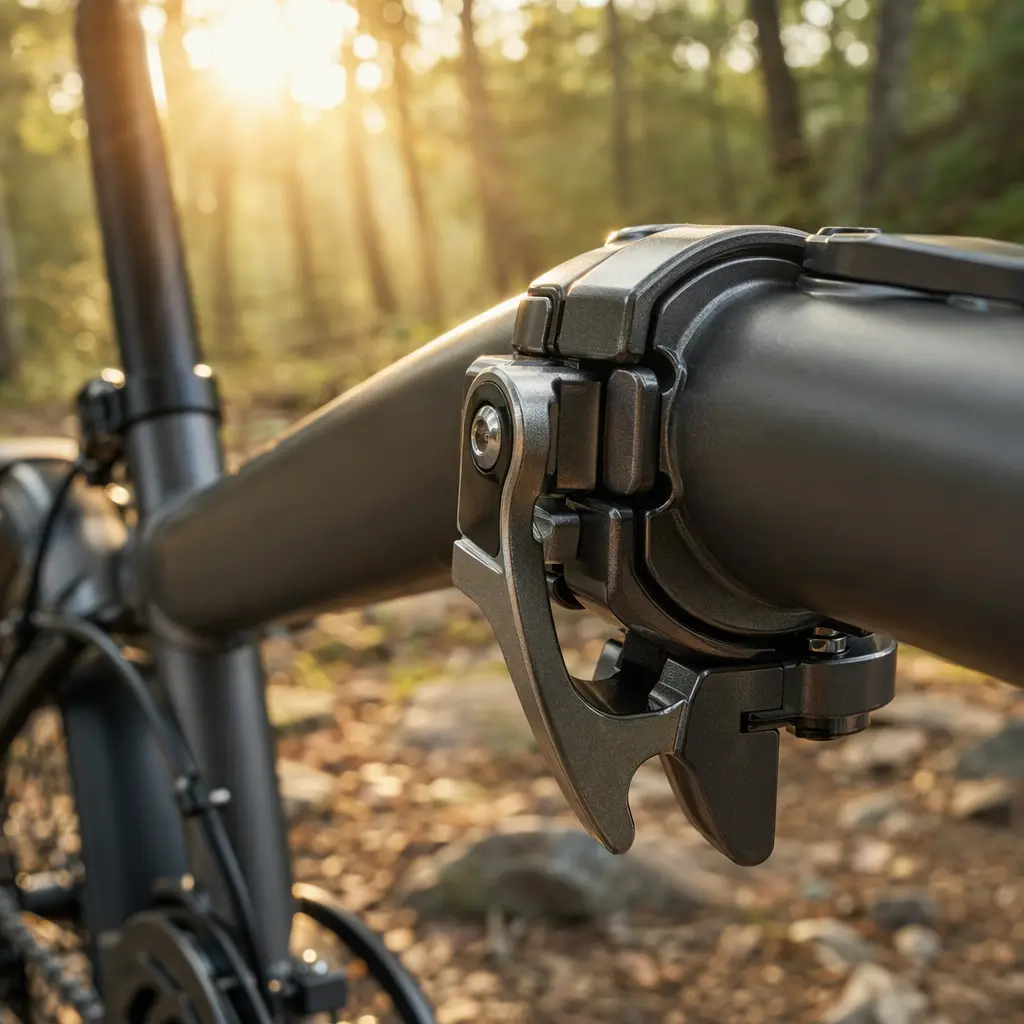
- Folding system: mid‑frame hinge with safety latch, often plus folding bars and pedals
- Extras: mudguards common; racks and lights less so at this price
How to choose
For train travel, folding speed and folded size matter as much as ride quality. A bike that takes 30 seconds to collapse neatly is far less stressful than one that needs fiddling while other passengers queue behind you. Look for a positive, confidence‑inspiring main hinge with a secondary safety catch.
Wheel size is the next decision. Smaller wheels fold more compactly and accelerate quickly from junctions, but can feel twitchy on rough roads. Larger 20in wheels ride more like a normal bike and cope better with potholes, but create a bulkier folded package. For occasional train use rather than daily commuting, either can work — it’s more about storage space at home and on trains.
What to look out for
- Loose or flexy frame hinges that creak under pedalling
- Overly heavy steel frames that become awkward on station stairs
- Poorly designed magnets or clips that fail to hold the bike folded
- Limited adjustment range on seatposts and handlebars
- Budget tyres with weak puncture protection
- No easy way to add a rear rack for commuting bags
Worth spending more on
If you can stretch the budget slightly — or upgrade later — tyres are the biggest improvement you can make. Better rubber transforms how a small‑wheeled bike feels, improving comfort, grip and puncture resistance. It’s a relatively low cost upgrade with an outsized effect.
A comfortable saddle and a decent lock are also worthwhile. Folding bikes are often parked in busy urban areas, and lightweight cable locks supplied with some bikes offer little protection. A compact D‑lock or folding lock adds security without ruining portability.
Frequently asked questions
Are folding bikes under £500 light enough for trains?
Yes, for occasional use. Most fall into the 11–14kg range, which is manageable for lifting onto trains and up station stairs. Daily commuters may want something lighter, but that usually means spending more.
Do cheap folding bikes ride badly?
They ride differently rather than badly. Small wheels and short wheelbases feel more direct and less forgiving, but for short trips they’re perfectly serviceable. Good tyres and correct saddle height make a big difference.
Is single‑speed good enough for train travel?
For flat routes, yes. Single‑speed folders are lighter and simpler. If your station approach includes hills or bridges, a basic multi‑speed setup is more versatile.
Can these bikes be upgraded later?
To a point. Tyres, saddles and pedals are easy swaps. Major changes like wheelsets or drivetrains are rarely cost‑effective on budget folding frames.
Under £500 is the sweet spot for a folding bike that actually works for train travel — light enough, compact enough, and dependable if chosen carefully. Focus on folding quality and weight first, and you’ll get a bike that makes mixed‑mode journeys far less hassle.
Find these on Amazon
As an Amazon Associate, CheapBikes earns from qualifying purchases.