Best commuter bikes under £800 for low‑maintenance riding
A value-focused guide to commuter bikes under £800 that prioritise puncture resistance, reliable gears and weather-ready parts for year-round UK riding.
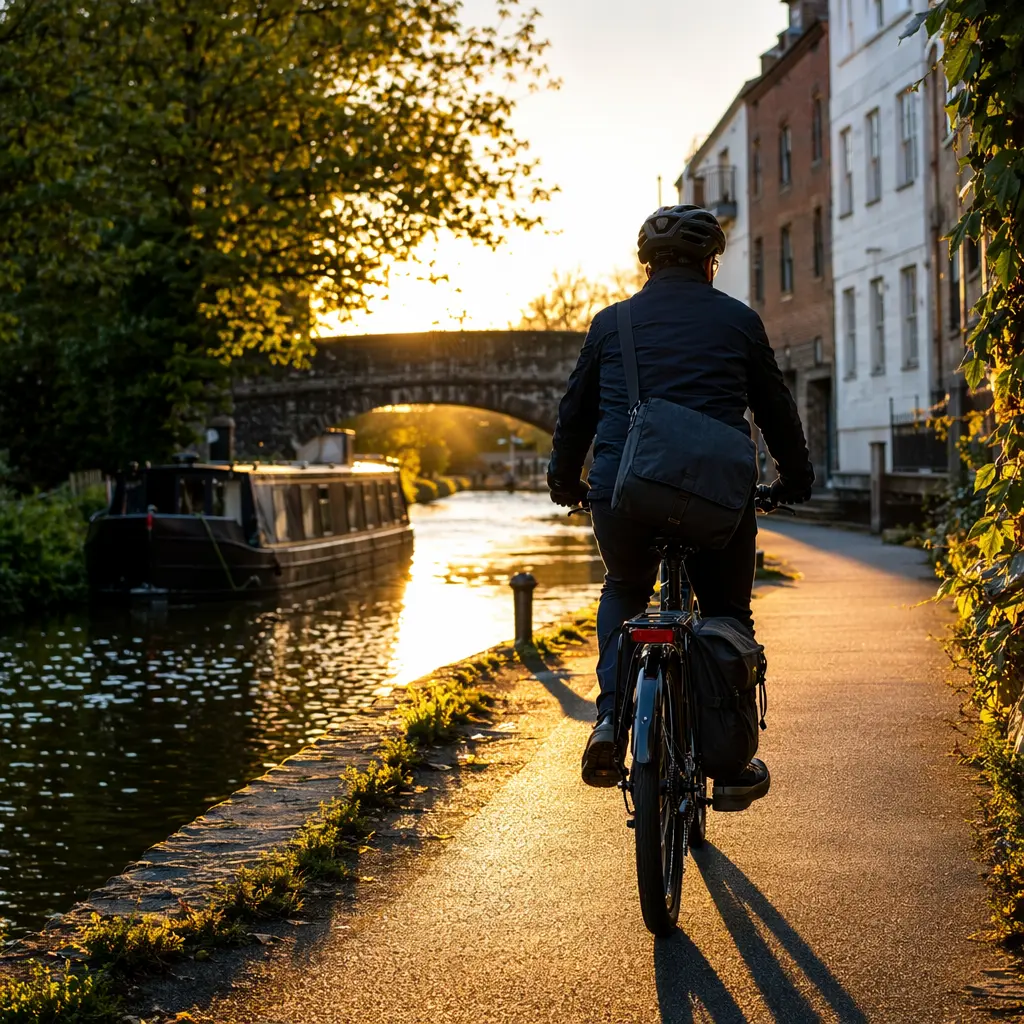
For riders who rely on a bike every weekday, the question is not speed or style but hassle. Under £800 is the sweet spot where commuter bikes stop feeling disposable and start offering puncture‑resistant tyres, dependable gears and kit that shrugs off British weather. This guide is for year‑round commuters who want to spend once, maintain less, and arrive on time even when the roads are wet, gritty and dark.
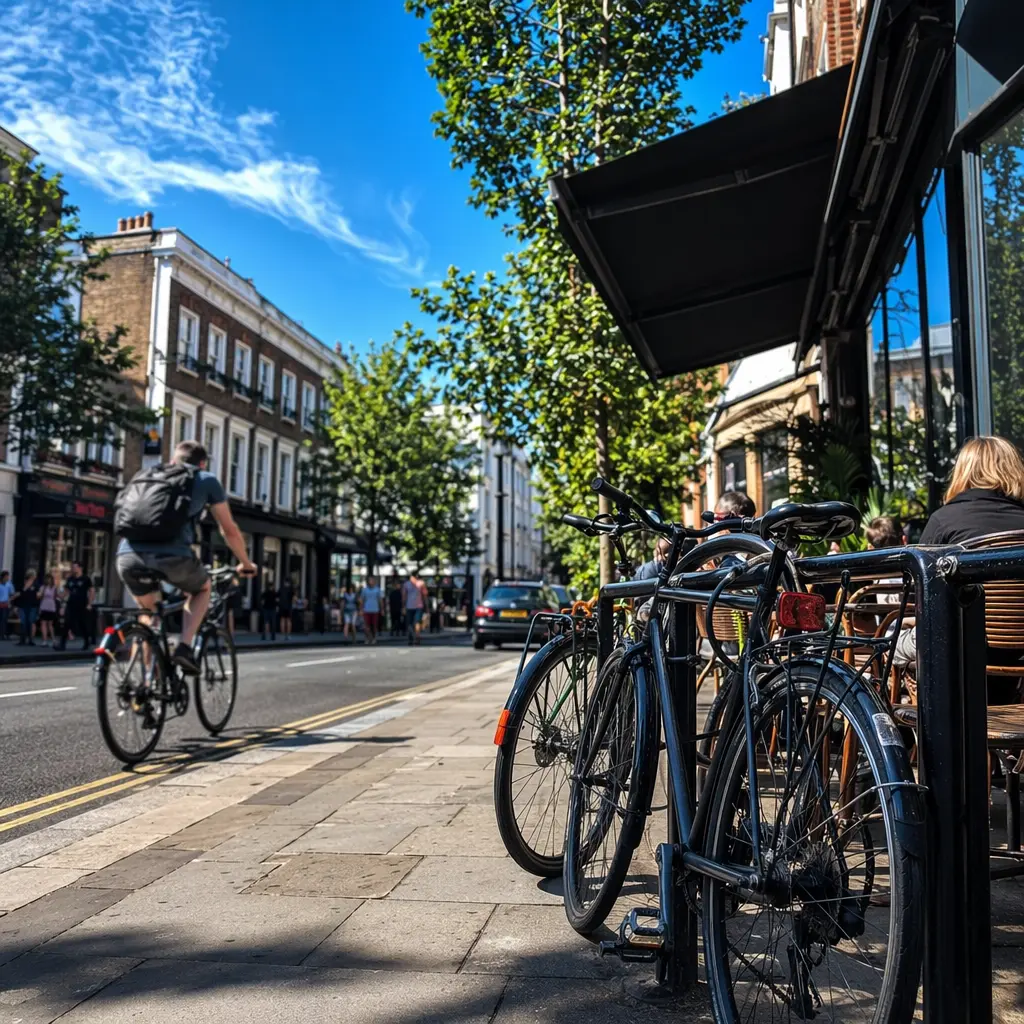
What you actually get at this price
At under £800, commuter bikes are built around reliability rather than outright performance. Frames are typically aluminium for corrosion resistance and sensible weight, paired with upright geometry that keeps visibility high in traffic. The focus is on parts that cope with rain, road salt and potholes rather than shaving grams.
You should expect sensible component choices that are proven rather than flashy. The aim is fewer roadside fixes and longer service intervals, even if that means accepting a bit of extra weight or less refined shifting.
- Frame: aluminium with rack and mudguard mounts; steel appears occasionally for comfort but adds weight
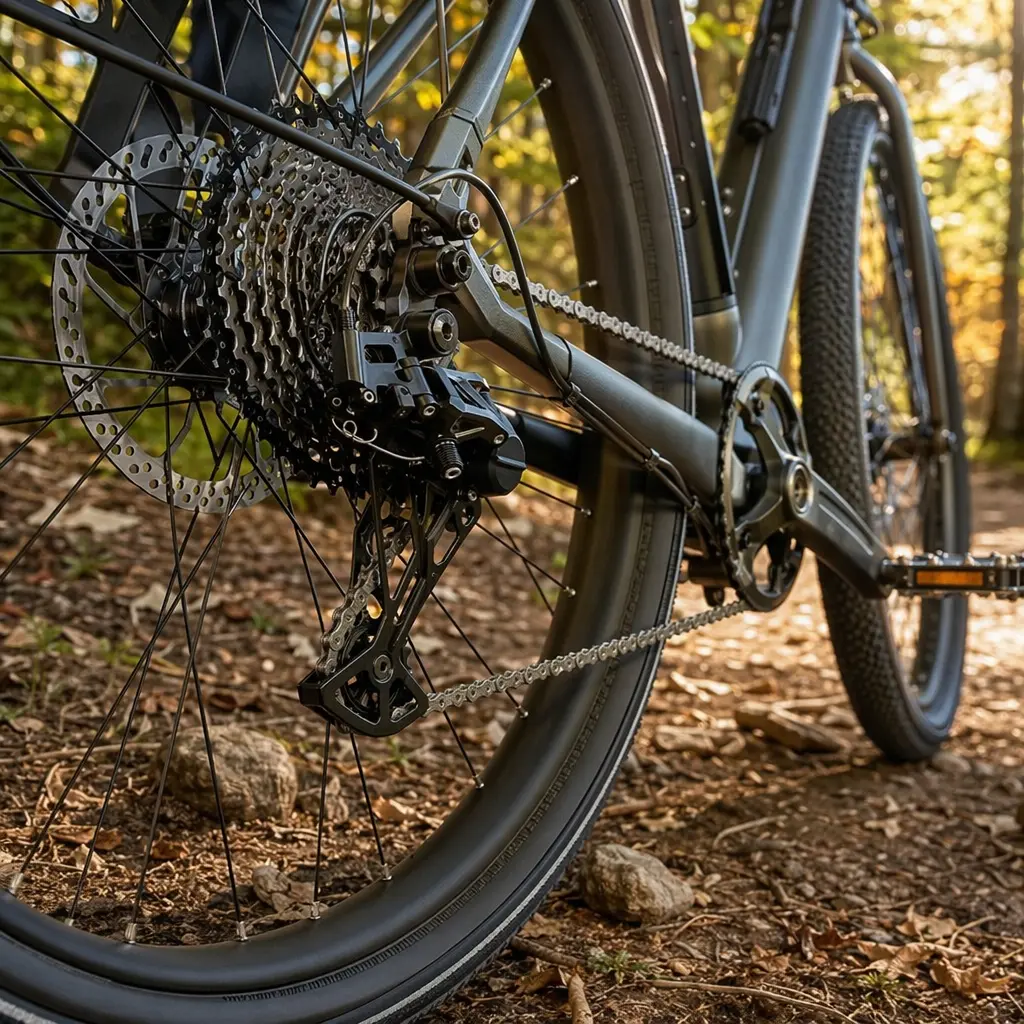
- Gearing: wide‑range derailleurs or basic hub gears designed for stop‑start riding
- Brakes: mechanical disc brakes are common; rim brakes appear on lighter, simpler builds
- Tyres: puncture‑resistant commuter tyres, usually 32–40mm wide for comfort and kerb hopping
- Extras: full‑length mudguards often included; racks and dynamo lights may be fitted or at least easily added
How to choose
Start with how the bike will actually be used. Flat bars suit urban riding, frequent junctions and winter gloves. An upright position reduces strain on the back and neck, and improves confidence in traffic. If the commute includes rough tarmac or towpaths, prioritise clearance for wider tyres.
Fit matters more than brand. A commuter that feels stretched or twitchy will be tiring over a week. Check standover height, reach to the bars and whether the saddle can be adjusted enough without extreme seatpost extension. If possible, sit on similar sizes in a shop to narrow it down before buying.
What to look out for
- Very heavy wheels that blunt acceleration at traffic lights
- Basic shifters that feel vague in winter grime
- No rack or mudguard mounts, limiting practical upgrades
- Cheap pedals and saddles that are fine short‑term but uncomfortable daily
- Factory tyres that prioritise speed over puncture protection
Worth spending more on
A few upgrades deliver outsized gains for commuters. Tyres are top of the list: swapping to higher‑grade puncture‑resistant rubber can halve roadside stops and lasts longer, saving money over time. A comfortable saddle suited to daily riding is another quiet win.
Security and visibility also pay back quickly. A solid lock and dependable lights matter more than lighter components. If the bike supports it, adding a rack and panniers keeps weight off your back and improves control in wet weather.
Frequently asked questions
Are hub gears better for low maintenance?
Basic hub gears are enclosed and cope well with rain and grit, making them appealing for year‑round commuting. They add weight and cost, and repairs are pricier, but for riders who value cleanliness and simplicity they can be worth it.
Do I need disc brakes for commuting?
Mechanical disc brakes offer consistent stopping in the wet and are common at this price. Rim brakes still work well with good pads and are easier to maintain, but performance drops in heavy rain.
How heavy is too heavy?
Weight matters less on flat urban routes, but very heavy bikes feel sluggish when accelerating or carrying upstairs. Focus on how the bike feels pulling away rather than the number on the scale.
Is used a good option under £800?
Used bikes can offer higher‑end parts for the money, but check for drivetrain wear and wheel condition. Factor in servicing costs and ensure the frame size is right, as adjustments are limited.
In short, the best commuter bikes under £800 trade flash for function. Choose one with sensible tyres, weather‑ready parts and the right fit, then invest in a few key upgrades to keep daily riding boring—in the best possible way.
Find these on Amazon
As an Amazon Associate, CheapBikes earns from qualifying purchases.