Best commuter bikes under £700 for low-maintenance riding
Looking for a dependable commuter bike without constant adjustments and repairs? These are the practical features and sensible compromises that matter most under £700.
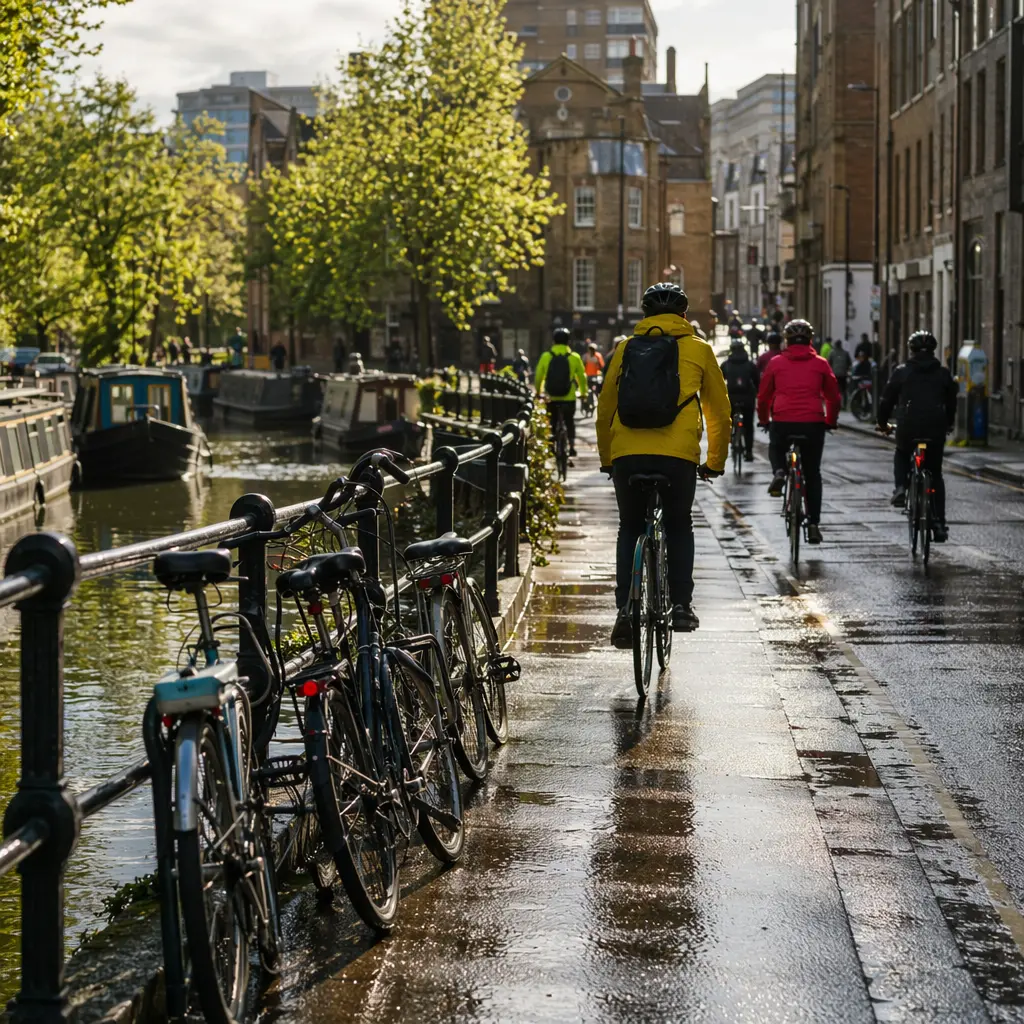
For daily commuting, reliability matters more than chasing performance numbers. A good commuter bike under £700 should handle potholes, wet roads and year-round riding without demanding constant adjustment or expensive replacement parts. This is the price range where practical features start to improve noticeably: hydraulic disc brakes become common, tyres get tougher, and drivetrains are usually simpler and easier to live with in bad weather.
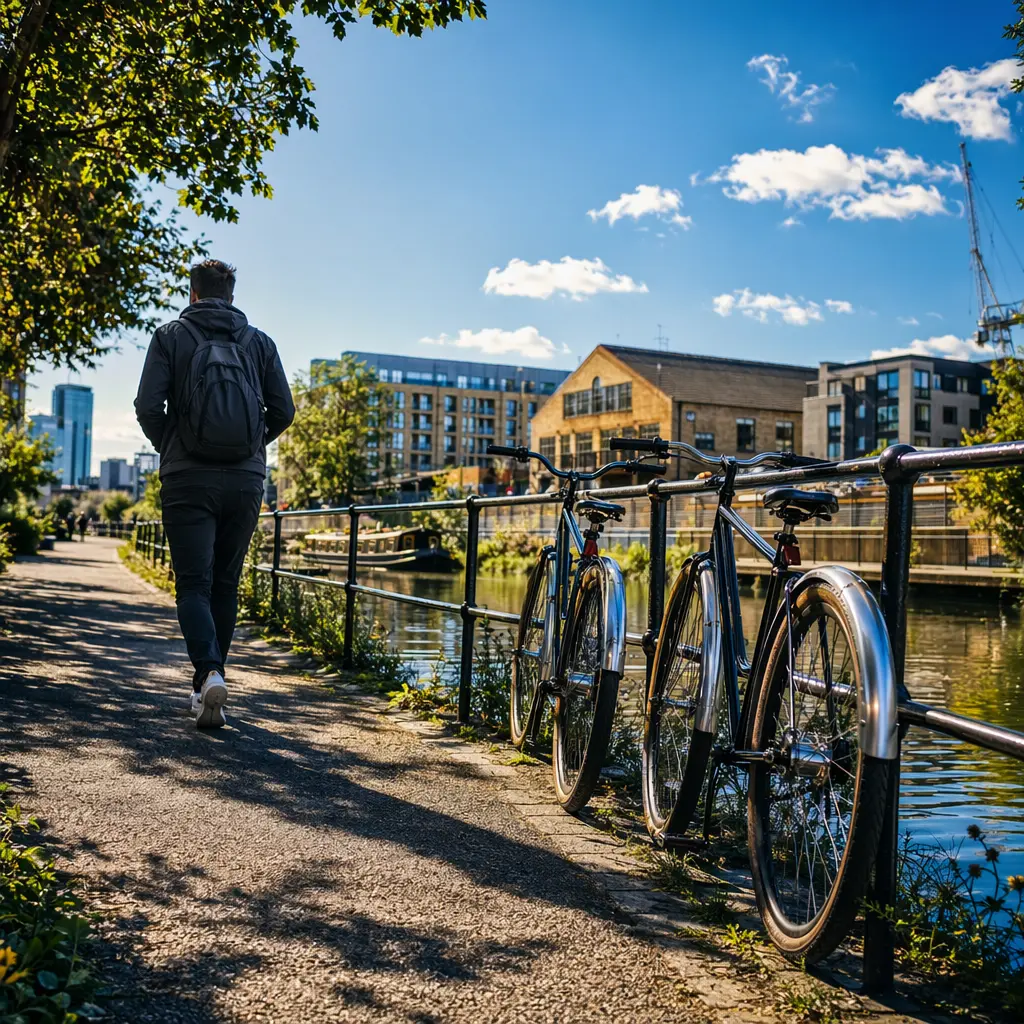
What you actually get at this price
At around £700, commuter bikes become much easier to own long term. Frames are usually aluminium rather than steel, helping keep weight manageable for carrying up stairs or accelerating away from junctions. Most bikes in this range prioritise durability over speed, with wider tyres, upright riding positions and mounting points for mudguards or panniers.
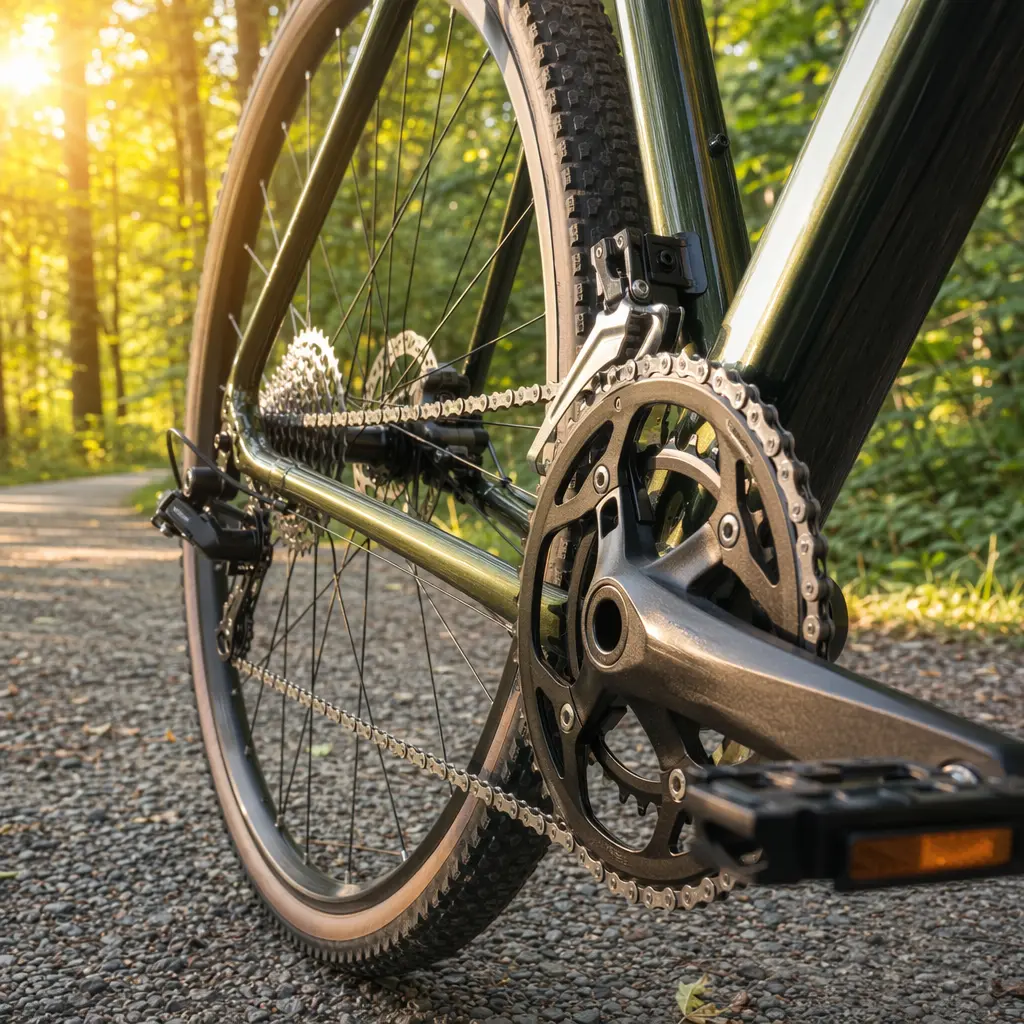
Simple drivetrains are often the best option here. A single front chainring with 8 or 9 gears at the back reduces maintenance and avoids the fiddly front derailleur setup that cheaper bikes can struggle to keep aligned. Hydraulic disc brakes are increasingly common and make a noticeable difference during wet UK winters, especially for heavier riders or loaded commuting.
- Aluminium frames with upright commuter geometry
- 1x or simple 2x drivetrains with wide-range gearing
- Mechanical or entry-level hydraulic disc brakes
- 35mm to 45mm puncture-resistant tyres
- Mudguard and pannier rack mounts on most models
- Basic but dependable wheelsets designed for durability
- Flat handlebars for visibility and control in traffic
How to choose
The right commuter bike depends heavily on distance and road surface. Short urban journeys with frequent stops suit upright flat-bar bikes with wider tyres and stable handling. Longer rides usually benefit from a slightly sportier position that feels more efficient over distance without becoming uncomfortable in traffic.
Tyres are one of the biggest factors in day-to-day reliability. Narrow, fast tyres can feel lively but are more vulnerable to potholes and pinch punctures on rough roads. For commuting, wider tyres with puncture protection are often worth the small trade-off in outright speed. Riders carrying laptops or shopping should also check for proper rack mounts rather than relying on backpacks every day.
What to look out for
- Very heavy wheels that make the bike feel sluggish
- Cheap suspension forks that add weight without much comfort
- Limited tyre clearance for winter or rough-road riding
- Basic mechanical disc brakes that need frequent adjustment
- Non-standard parts that are harder to replace later
- No mudguard or pannier rack mounts
- Low-quality pedals and saddles that may need upgrading quickly
Worth spending more on
A few upgrades can make a much bigger difference than moving slightly up the bike price ladder. Tyres are usually the best value improvement for commuters. High-quality puncture-resistant tyres reduce roadside repairs and often roll faster despite their tougher construction. They also improve confidence on wet roads and rough surfaces.
A decent lock matters just as much as the bike itself in urban areas. Many commuter bikes under £700 are attractive enough to thieves while still being locked outside stations or offices. Comfortable contact points are also worth considering. Saddles and grips are highly personal, and small upgrades there can transform a daily ride more effectively than chasing lighter components.
Frequently asked questions
Are hydraulic disc brakes worth it on a commuter bike?
For year-round UK commuting, hydraulic discs are usually worth paying for. They need less hand effort, perform better in rain and generally require less frequent adjustment than cheaper cable-operated systems.
Is a single-chainring drivetrain better for commuting?
For many riders, yes. A 1x drivetrain removes the front derailleur entirely, making shifting simpler and reducing maintenance. Modern wide-range cassettes still provide enough gears for most commuting routes.
Should commuter bikes have suspension?
In this price range, rigid forks are often the better choice. Cheap suspension forks add weight and can become unreliable over time. Wider tyres usually provide more practical comfort for commuting.
Can a commuter bike handle light gravel or towpaths?
Most modern commuter bikes with 35mm or wider tyres can cope well with canal paths, park trails and rough urban shortcuts. Bikes with generous tyre clearance are usually more versatile for mixed riding.
The best commuter bikes under £700 focus on dependable parts, practical features and low-maintenance simplicity rather than flashy specifications, making daily riding easier and cheaper over time.
Find these on Amazon
As an Amazon Associate, CheapBikes earns from qualifying purchases.