Best BMX bikes under £250 in 2026
A straight-talking guide to BMX bikes under £250 that can handle real riding. What lasts, what breaks, and how to choose a budget build that won’t quit after a few sessions.
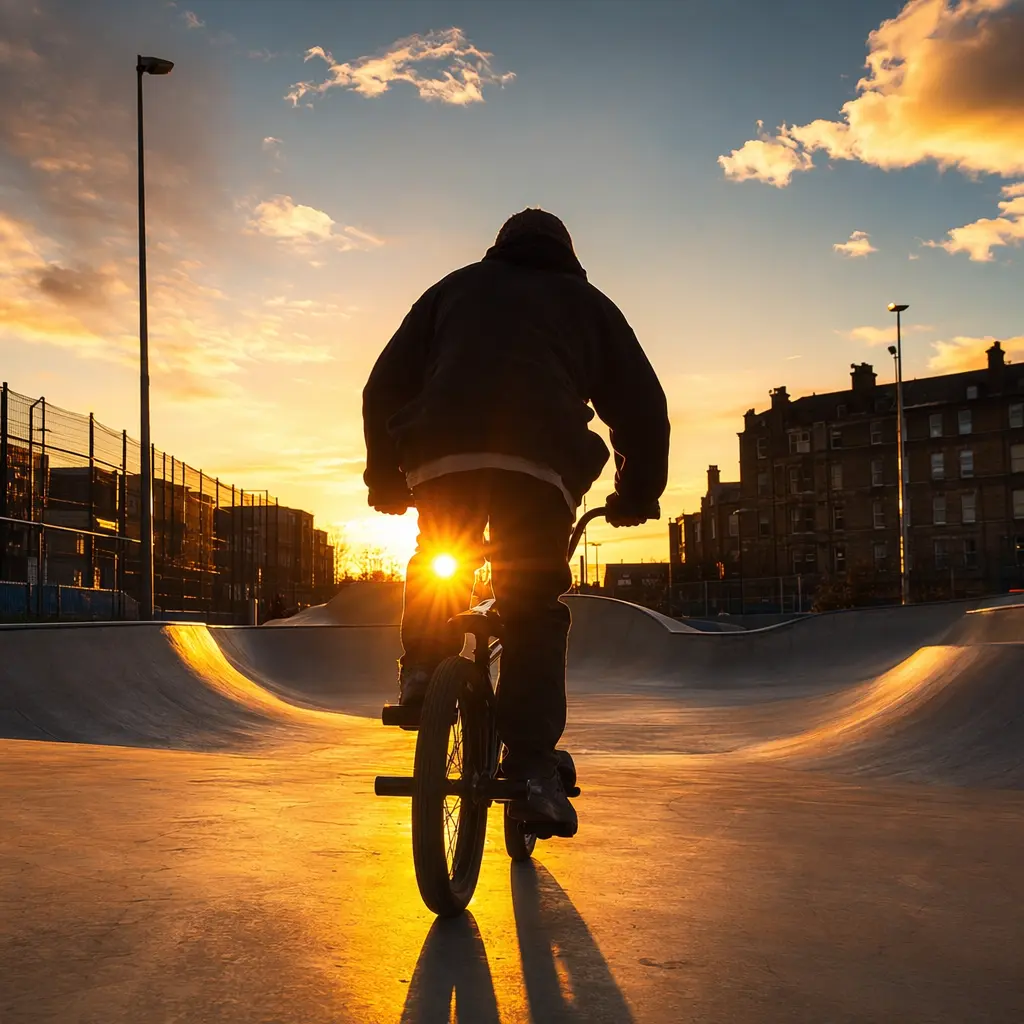
A BMX under £250 is often a first step: a first proper bike for the skatepark, a birthday upgrade from a toy-store special, or a tough runabout for learning tricks. At this price, the big question is durability. Plenty of budget BMX bikes look the part, but only some survive regular riding without constant repairs. This guide focuses on what actually lasts, where corners are cut, and how to spend £250 wisely in 2026.
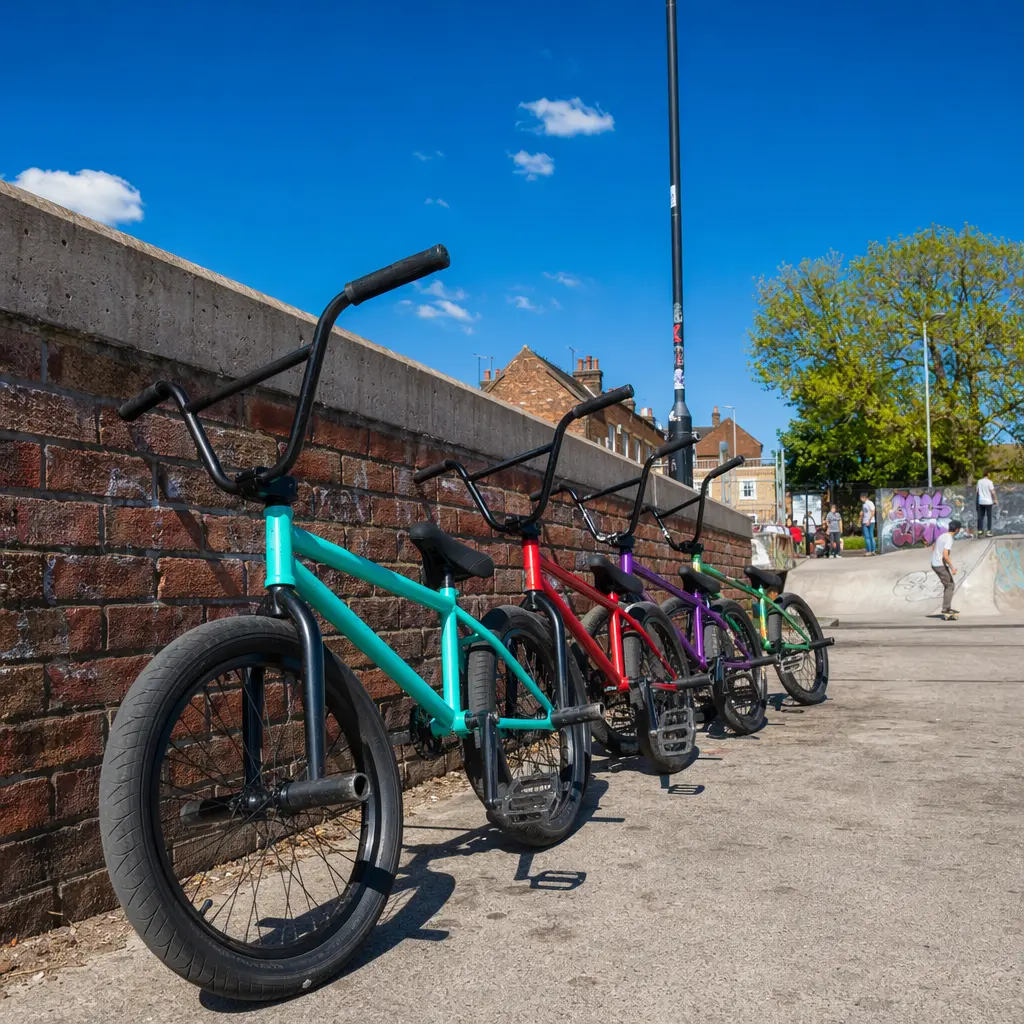
What you actually get at this price
Under £250, BMX bikes are built to hit a price point, not a spec sheet dream. That does not automatically mean they are bad, but it does mean expectations need to be realistic. The aim here is resilience for beginners and casual riders, not lightweight competition machines.
Most bikes in this bracket are designed for park and street use rather than dirt jumping or racing. They are usually heavier than mid-range BMX bikes, but that extra weight often comes from thicker tubing, which can be a good thing for learners.
- Frame material: high-tensile (hi-ten) steel frames are standard; full chromoly is rare at this price
- Forks and bars: usually hi-ten steel, occasionally with chromoly steerer tubes on better options
- Drivetrain: simple single-speed setup, commonly around 25/9 gearing for easier starts
- Bottom bracket: loose ball bearings are common; sealed bearings are a bonus if included
- Brakes: rear U-brake only, often basic but functional once set up properly
- Wheels: single-wall rims on entry bikes, with 20-inch wheels and 2.3–2.4in tyres
- Extras: pegs, gyro rotors, or hub guards are often not included to keep costs down
How to choose
Fit and intent matter more than flashy graphics. A budget BMX that fits the rider and matches how it will be used is far more likely to survive real riding. The key decision is top tube length, which affects stability and control.
For most teenagers and adults, a 20-inch wheel BMX with a top tube around 20.25–20.75 inches works well. Shorter riders may feel more comfortable on something slightly smaller, while taller riders should avoid very short frames that feel twitchy. If the bike is mainly for skateparks, lighter feel and responsive handling matter. For street riding and rougher landings, a slightly longer and heavier setup can be more forgiving.
What to look out for
- Very thin hi-ten frames that flex noticeably under load
- Unbranded tyres with hard rubber that slide unpredictably on concrete
- Poorly tensioned wheels straight out of the box
- Plastic pedals that crack after missed landings
- Headsets and bottom brackets without sealed bearings
- Overly small frames sold as one-size-fits-all
Worth spending more on
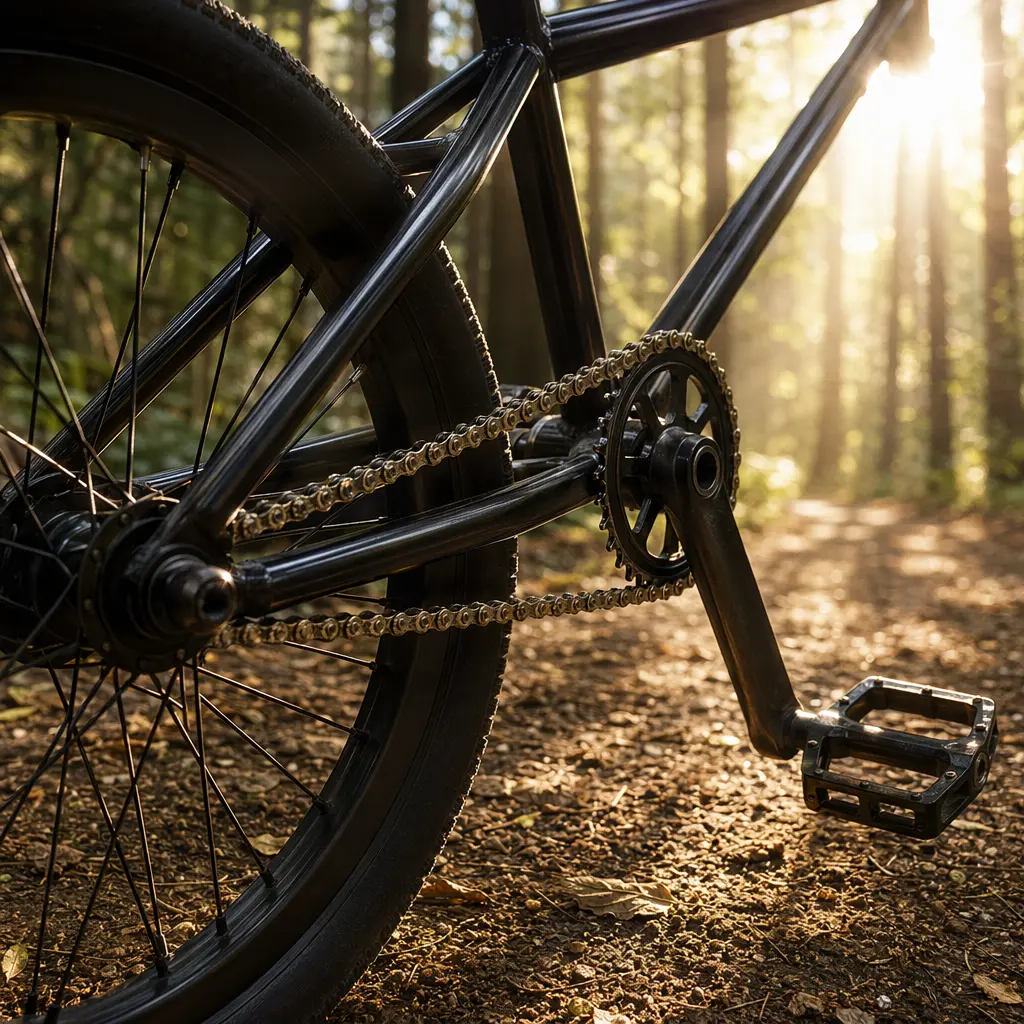
Even with a £250 bike, a few small upgrades can dramatically improve reliability and enjoyment. Tyres are often the weakest link; swapping to a known BMX tyre with better rubber can transform grip and confidence. Pedals are another easy win, as budget plastics struggle with repeated impacts.
A proper helmet should be non-negotiable, especially for park riding. A basic skate-style helmet is affordable and designed for the kind of falls BMX riders actually have. Over time, sealed bearing upgrades for hubs or bottom brackets can also extend the bike’s life, but these are best added once something wears out rather than immediately.
Frequently asked questions
Is a BMX under £250 strong enough for skateparks?
Yes, for beginners and casual riders. These bikes are built to handle basic jumps, drops, and stalls. Repeated heavy landings from experienced riders will show their limits, but for learning the fundamentals they are generally up to the job.
Can adults ride budget BMX bikes?
Many adults do, especially when starting out. The key is choosing a frame size that fits and accepting the extra weight. Heavier riders should pay particular attention to wheel quality and keep spokes properly tensioned.
Are second-hand BMX bikes a better option?
Used can offer better value, especially if it means stepping up to chromoly frames or sealed bearings. However, wear and tear is common on BMX bikes, so check for cracks, dents, and worn drivetrains before buying.
Do these bikes come ready to ride?
They usually arrive partially assembled. Proper setup is crucial, particularly for brakes and wheels. A professional build or safety check is strongly recommended, even if the bike seems fine out of the box.
A £250 BMX will not do everything, but the right one will take real use, real mistakes, and real learning. Focus on fit, solid basics, and sensible expectations, and it can be a reliable gateway into BMX rather than a short-lived purchase.
Find these on Amazon
As an Amazon Associate, CheapBikes earns from qualifying purchases.