£500 vs £1,000 bikes: how much reliability are you paying for?
Is a £1,000 bike really twice as reliable as a £500 one? This plain‑English comparison explains which components reduce breakdowns, what still wears out, and where spending more genuinely saves time and hassle.

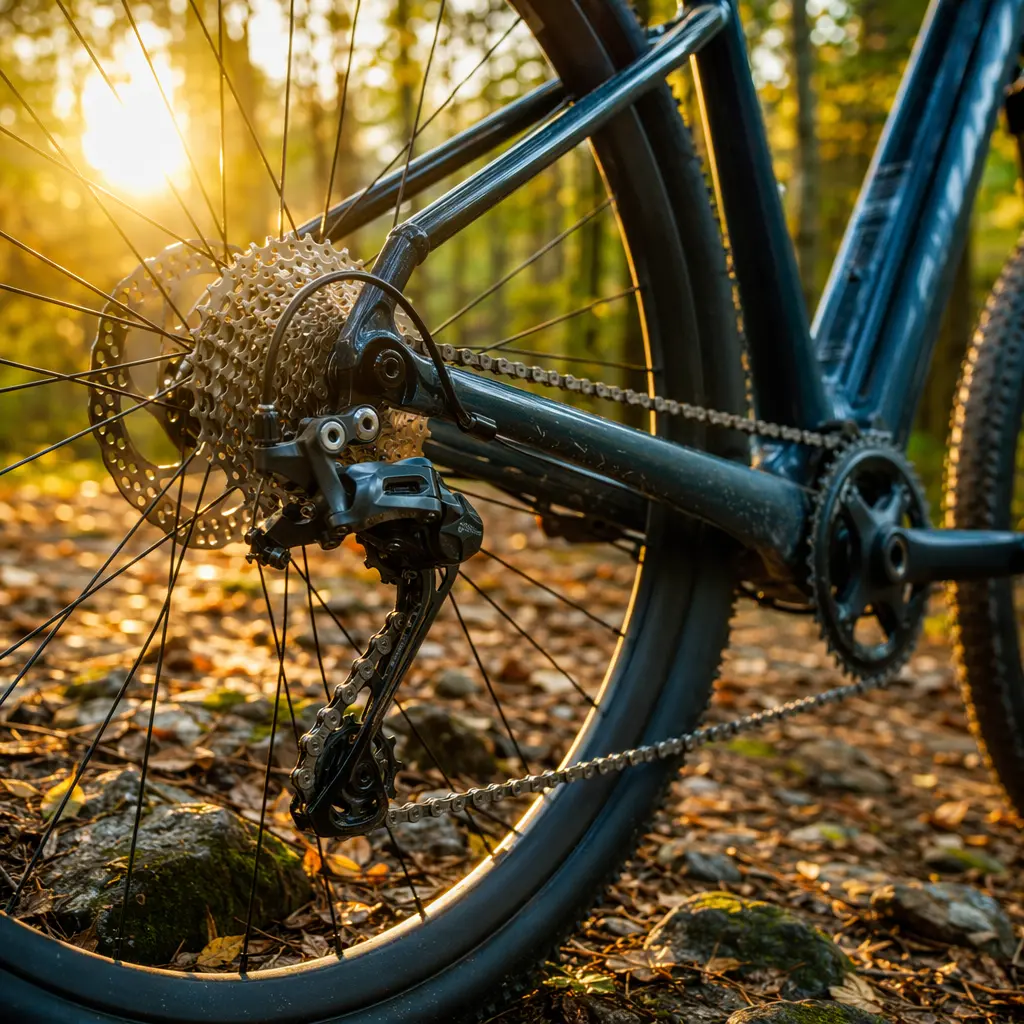
- Gears: £500 bikes typically use entry‑level derailleur systems with more plastic parts and wider tolerances; £1,000 bikes move into mid‑tier groupsets with sealed pivots and tougher finishes that resist corrosion.
- Brakes: mechanical disc or basic rim brakes are common at £500; £1,000 often brings better calipers or entry‑level hydraulic discs that self‑adjust as pads wear.
- Bearings: loose or semi‑sealed bearings at £500 versus fully sealed cartridge bearings at £1,000, especially in hubs and bottom brackets.
- Wheels: cheaper rims and spokes that need more frequent truing at £500; stronger, better‑tensioned wheels at £1,000.
- Extras: mudguards and racks may be included at £500 but are basic; £1,000 bikes usually have cleaner mounting points and sturdier fittings.
- Unsealed bottom brackets and hubs that grind themselves to death in wet UK winters.
- Very cheap hydraulic brakes with poor spares availability.
- Heavy wheels with low spoke tension that go out of true after hitting kerbs or potholes.
- Budget shifters that develop play, leading to missed gears and constant adjustment.
- Limited tyre clearance, restricting you to skinny tyres that puncture more easily.
Note
Find these on Amazon
As an Amazon Associate, CheapBikes earns from qualifying purchases.
buying guide
value
components
maintenance
reliability