£500 vs £1,000 bikes: how much smoother is the ride?
Is a £1,000 bike really twice as comfortable as a £500 one? This UK-focused comparison breaks down ride feel, components and long-term value to show where the extra money actually goes.

The jump from £500 to £1,000 is one of the biggest psychological steps in bike buying. At face value, both bikes will get you to work, along canal paths or out for a weekend ride. The question is whether spending double actually delivers a noticeably smoother, more comfortable ride – or just nicer-looking parts.
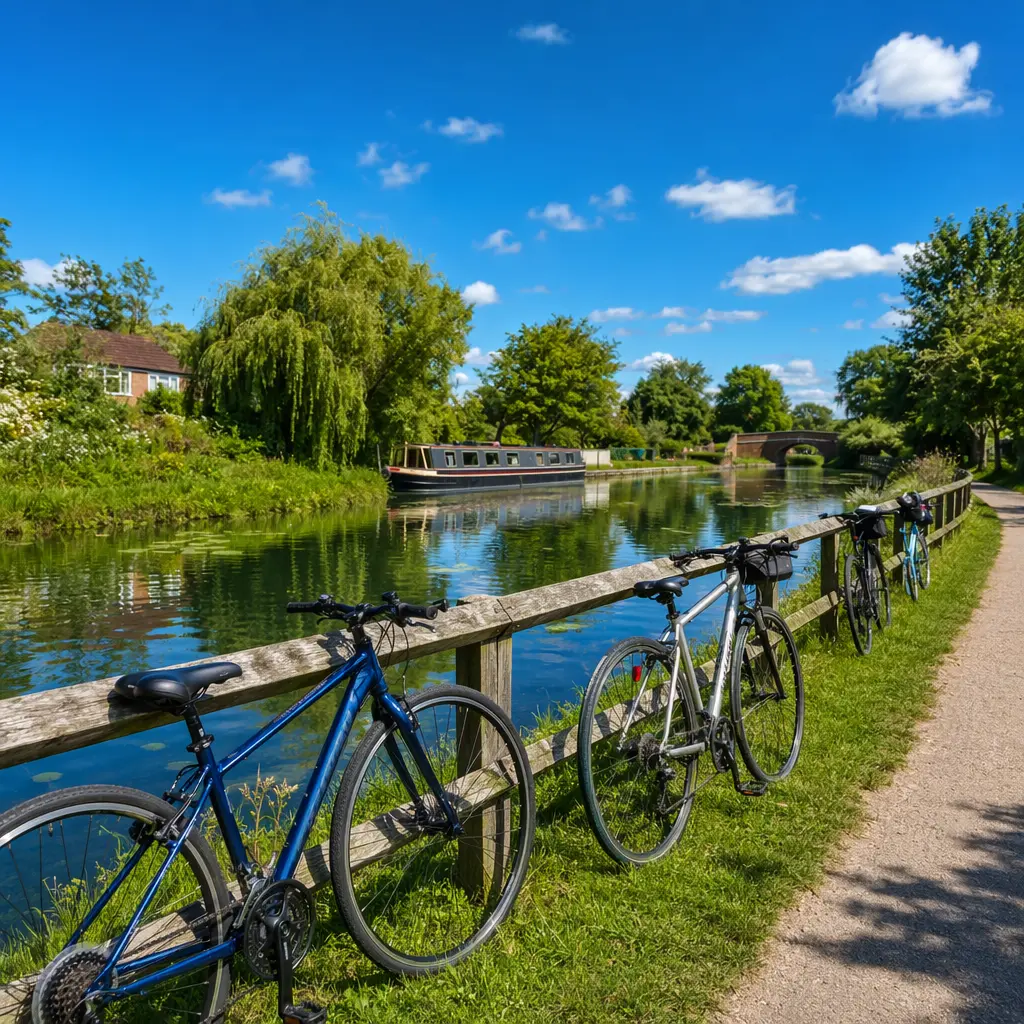
What you actually get at this price
At around £500, most bikes sit firmly in the entry-to-mid range. Frames are usually aluminium, designed to be tough rather than lightweight, and comfort comes from upright geometry and wider tyres rather than refined materials.
At £1,000, the headline difference isn’t speed – it’s refinement. Small improvements across the whole bike add up to a ride that feels calmer, quieter and less tiring, especially over rough roads or longer distances.
- Frame: aluminium at both prices, but £1,000 bikes often use lighter tubing and smoother welds
- Fork: basic suspension or rigid fork at £500; lighter suspension or carbon rigid fork at £1,000
- Gearing: wide-range but heavier drivetrains at £500; smoother-shifting, more durable parts at £1,000
- Brakes: mechanical disc or basic hydraulics at £500; stronger, more consistent hydraulic discs at £1,000
- Wheels & tyres: heavier wheels and budget tyres at £500; lighter wheels with better puncture protection at £1,000
- Extras: mudguards and racks more common at £500; cleaner frames with better mounts at £1,000
How to choose
Comfort isn’t just about price – it’s about how a bike fits and where it’s ridden. A £500 bike that fits properly will always feel better than a £1,000 one that doesn’t. Geometry matters: hybrids with a more upright position suit commuting and casual riding, while slightly longer, lower setups feel smoother at speed.
Think about surface quality. If most miles are on rough UK roads, towpaths or broken cycle lanes, the higher-end bike’s better tyres, wheels and fork can take the sting out of vibration. For short, flat urban trips, the difference may be far less noticeable.
What to look out for
- Suspension forks at £500 that add weight but little real comfort
- Heavy wheels that dull acceleration and transmit road buzz
- Basic saddles that are fine for 20 minutes but uncomfortable after an hour
- Limited adjustment points, especially on cheaper stems and seatposts
- At £1,000, paying for lighter parts rather than genuinely better comfort
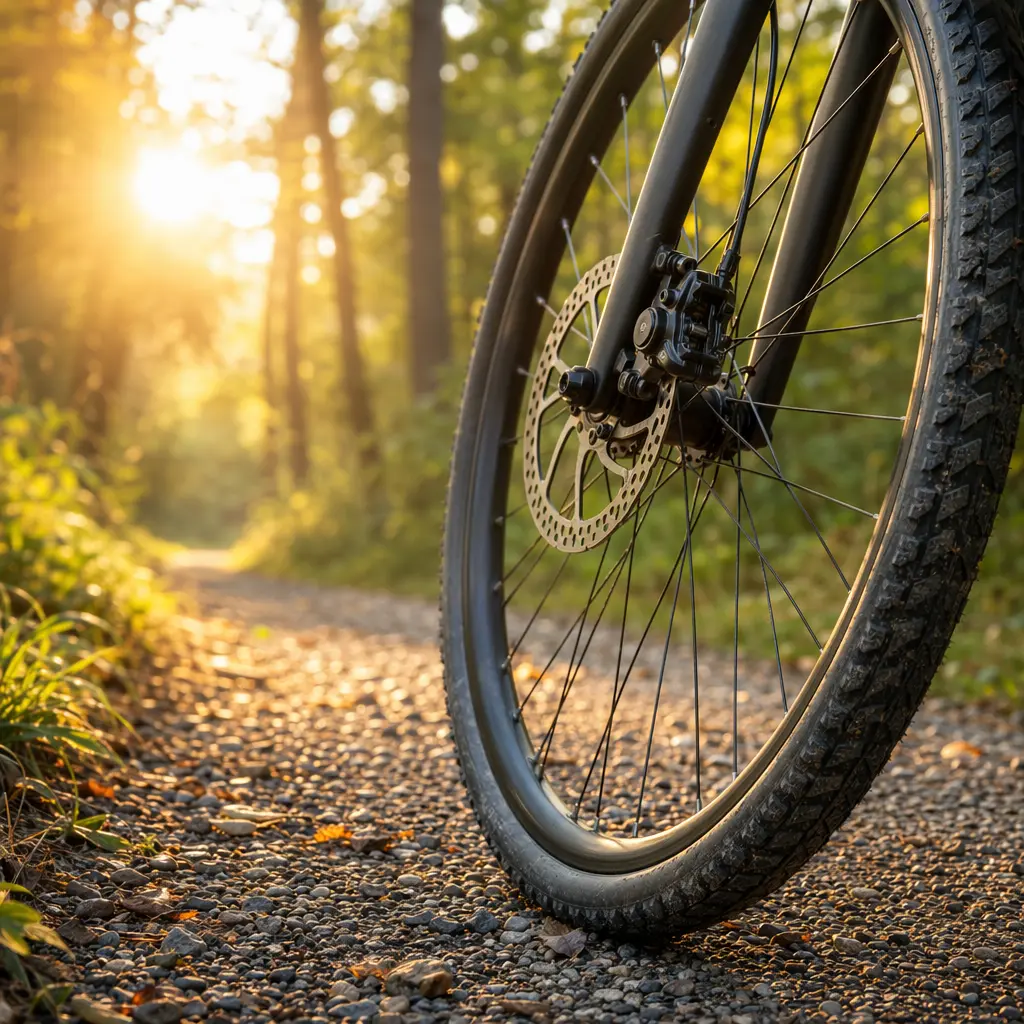
Worth spending more on
If the budget can’t stretch to £1,000, targeted upgrades can narrow the comfort gap. Tyres are the biggest win: higher-quality rubber with supple sidewalls can transform ride feel for relatively little money.
Contact points matter too. A better saddle, ergonomic grips and a quality seatpost often deliver more day-to-day comfort than a pricier frame. Even at £1,000, many riders still swap these parts to suit their body.
Frequently asked questions
Is a £1,000 bike twice as comfortable?
No. The improvement is real but incremental. Expect a smoother, quieter ride rather than a dramatic leap.
Will a £500 bike feel harsh on long rides?
It can, especially on poor road surfaces. Tyres and fit make a big difference, so setup is key.
Do better components last longer?
Generally yes. Mid-range parts tend to stay in adjustment longer and wear more slowly, reducing maintenance over time.
Is buying used a good alternative?
A well-looked-after used bike around £1,000 new can offer excellent value, but condition and fit matter more than age.
In short, £1,000 buys polish rather than miracles – but for frequent riders on rough UK roads, that extra smoothness can make every mile more enjoyable.
Find these on Amazon
As an Amazon Associate, CheapBikes earns from qualifying purchases.