£500 vs £1,000 bikes: how much comfort do you really gain?
Is doubling your bike budget worth it for comfort? A plain-English look at what £1,000 buys over £500 for casual UK riders — from smoother roads to better kit — and where the gains stop mattering.
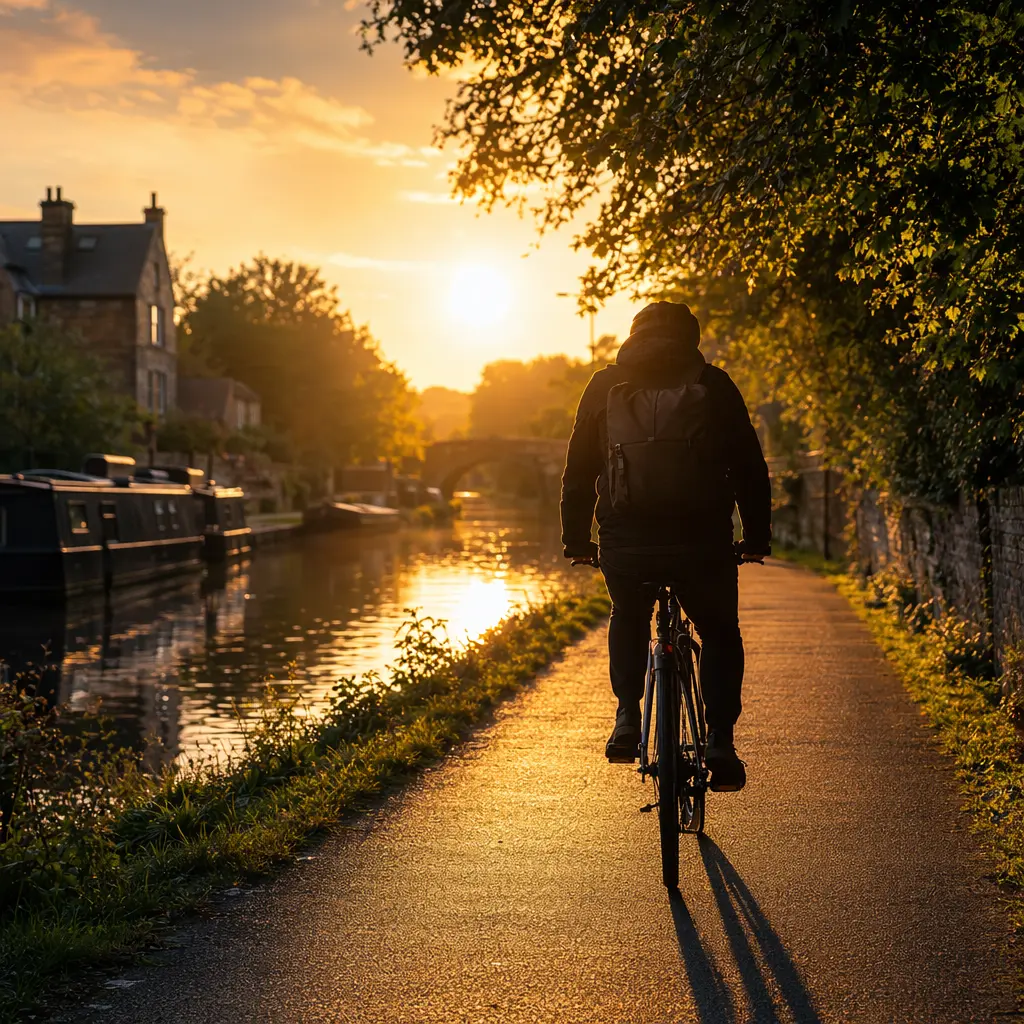
For many casual riders, the big question isn’t speed or race pedigree — it’s comfort. Is a £1,000 bike genuinely easier on the body than a £500 one, or are you mostly paying for nicer finishing touches? This guide looks across hybrid-style bikes to explain where the extra money makes everyday rides smoother, and where the comfort gains level off.
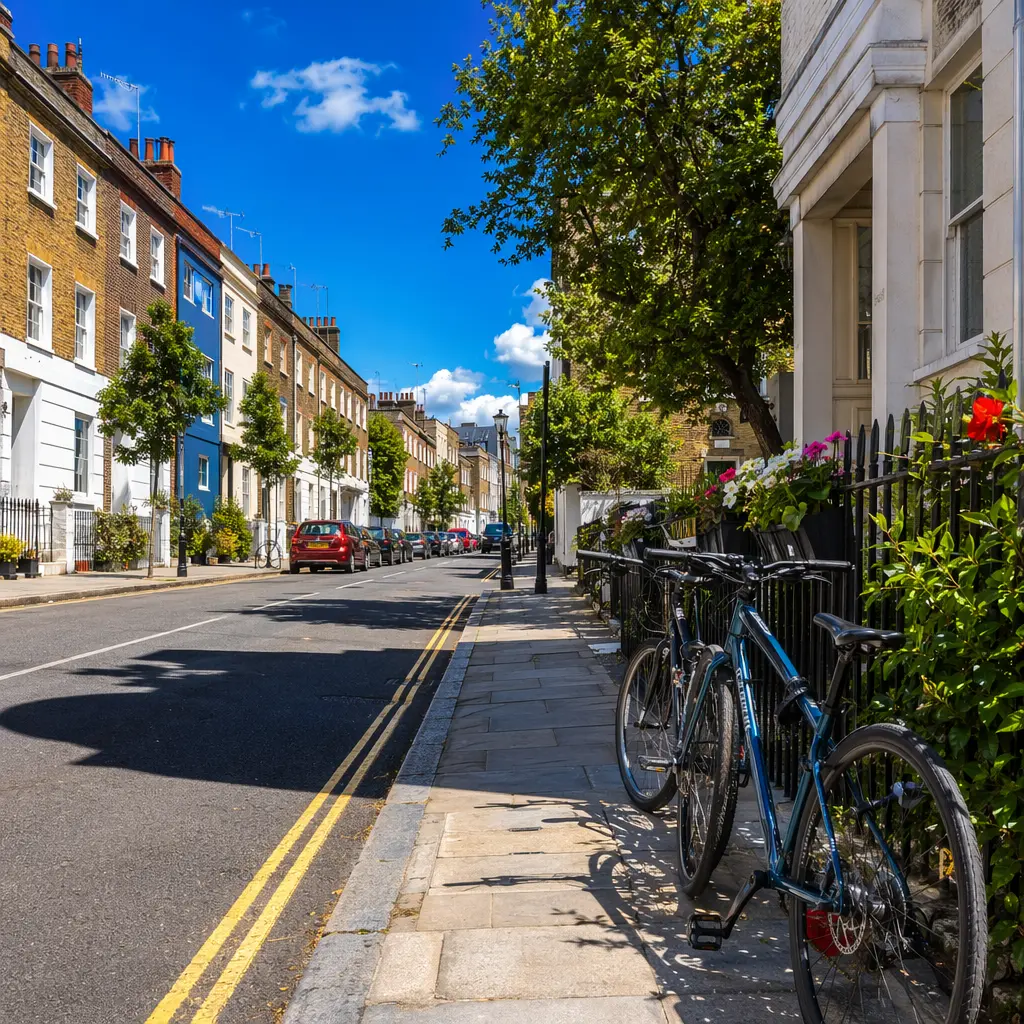
What you actually get at this price
At around £500, most hybrids are built to hit a price point while remaining practical. Frames are usually aluminium, geometry is upright and forgiving, and components are chosen for durability rather than finesse. Comfort is ‘good enough’ for short commutes, errands and weekend rides, but rough surfaces are felt more clearly through the bars and saddle.
Step up to around £1,000 and the changes are subtle rather than dramatic — but they add up. The bike doesn’t just look nicer; it tends to feel calmer and smoother on broken tarmac, kerbs and gravel paths. This is less about suspension and more about higher-quality contact points and materials.
- Frame: aluminium at both prices, but £1,000 frames often use slimmer tubes and carbon forks to reduce road buzz
- Gearing: basic 2x or 3x drivetrains at £500 vs wider-range, cleaner-shifting setups at £1,000
- Brakes: mechanical discs or basic hydraulics vs stronger, better-modulated hydraulic discs
- Wheels & tyres: heavier wheels and firmer tyres vs lighter rims and more supple rubber
- Extras: mudguards and racks sometimes included at £500; £1,000 bikes often have better mounts but fewer freebies
How to choose
Comfort starts with fit and riding position, not price. A £500 bike that fits properly will always beat a £1,000 one that doesn’t. Casual riders should prioritise an upright posture, easy reach to the bars and enough tyre clearance to run wider tyres at lower pressures.
Think about where discomfort usually appears. If wrists ache on rough roads, a carbon fork or better grips at the higher price can help. If it’s saddle soreness, budget for a saddle swap regardless of bike cost. Riders sticking mostly to smooth cycle paths may feel little benefit from spending more.
What to look out for
- Suspension forks on £500 bikes that add weight without real comfort benefits
- Very narrow tyres that transmit road buzz
- Basic saddles and grips that most riders replace quickly
- Limited gear range for hills when carrying panniers
- At £1,000, paying extra for looks rather than meaningful comfort upgrades
Worth spending more on
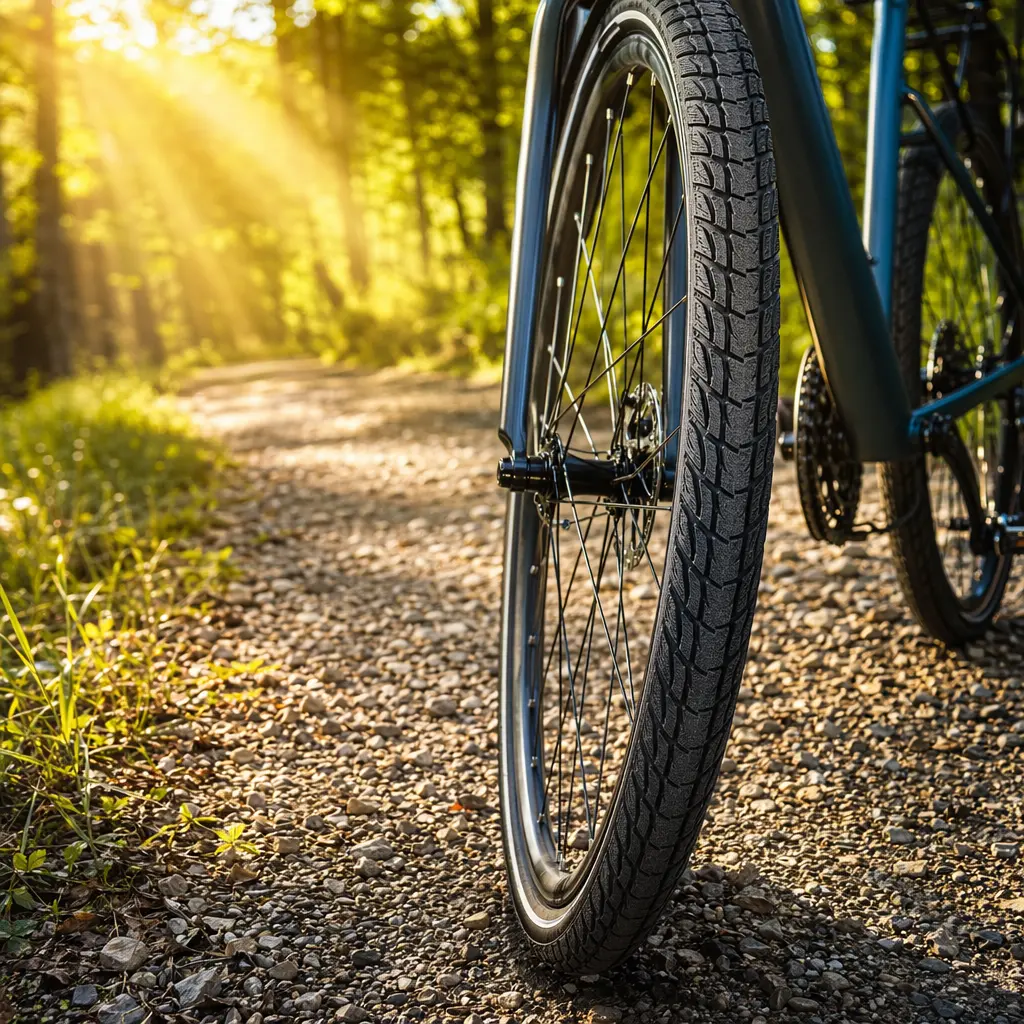
If comfort is the goal, some upgrades punch far above their weight. Tyres are the biggest one: a quality pair with flexible sidewalls can transform ride feel for far less than a £500 bike upgrade. Running them tubeless or at lower pressures (where suitable) further smooths rough surfaces.
Contact points matter too. A better saddle, ergonomic grips and a suspension seatpost can make a £500 bike feel closer to a £1,000 one for everyday riding. These changes are also transferable if you upgrade bikes later.
Frequently asked questions
Is a £1,000 bike less tiring on longer rides?
Usually yes, but modestly so. Reduced vibration through the fork, tyres and saddle can mean less fatigue over time, especially on rough roads.
Do I need suspension for comfort?
Not for most casual riding. Wider tyres and a quality fork often deliver better comfort with less weight and maintenance.
Will a £500 bike wear me out faster?
On short trips, probably not. On longer or rougher rides, heavier wheels and firmer components can add up to more fatigue.
Is used a good alternative?
Yes. A well-kept used £1,000 bike can sometimes be found near £500, offering better comfort if sizing and condition are right.
In short: £1,000 buys incremental comfort rather than a night-and-day change — worth it for frequent or longer rides, but smart upgrades can narrow the gap if £500 is the limit.
Find these on Amazon
As an Amazon Associate, CheapBikes earns from qualifying purchases.