£300 vs £700 Folding Bikes: What You Give Up
A closer look at what changes between a £300 folding bike and a £700 option, from weight and folding speed to ride comfort, gearing and long-term durability.
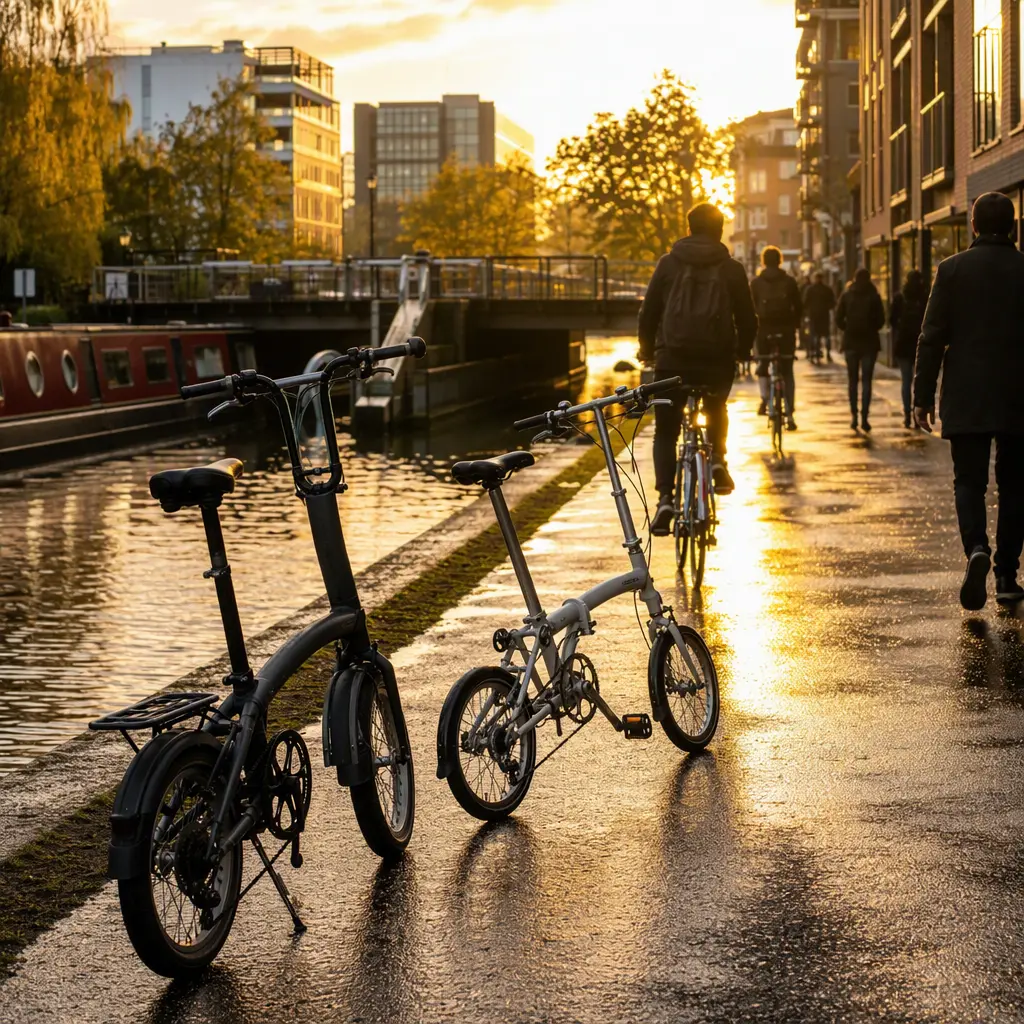
A folding bike can make commuting, train travel and flat living far easier, but the gap between a £300 model and a £700 one is larger than the price tag alone suggests. Both will fold down and get from A to B, yet the differences show up quickly in daily use. Weight, folding speed, ride comfort and long-term reliability all improve as the budget rises, especially for riders carrying bikes up station stairs or riding several days a week.
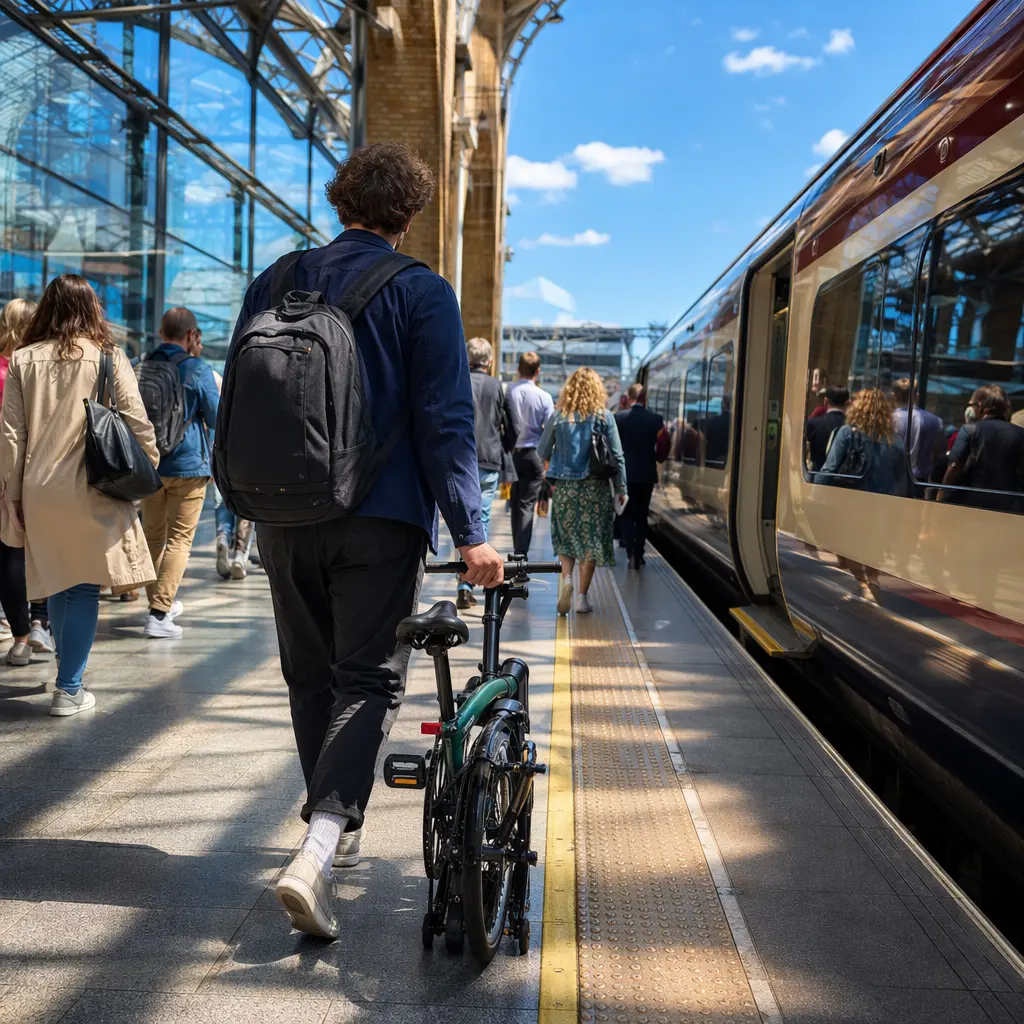
What you actually get at this price
At around £300, most folding bikes focus on affordability first. Frames are usually steel or basic aluminium, hinges can feel less refined and complete bike weights often land between 13kg and 16kg. That may not sound dramatic on paper, but carrying one up stairs or lifting it onto a train rack soon highlights the difference.
Closer to £700, folding bikes typically become noticeably lighter, fold more neatly and ride with less flex through the frame and handlebar stem. Components also improve. Gears shift more cleanly, brakes need less adjustment and wheels tend to stay true for longer under daily commuting loads. The ride quality becomes less of a compromise and more like a conventional small-wheeled city bike.
- £300 bikes commonly use heavier steel parts and basic hinges
- £700 bikes more often feature lighter aluminium frames and improved locking mechanisms
- Entry-level drivetrains usually offer narrower gear range and simpler twist shifters
- Higher-priced options often include smoother trigger shifters and better-quality bearings
- Mechanical disc brakes or basic rim brakes are common at lower prices
- Mid-range folding bikes may include stronger hydraulic discs or better dual-pivot brakes
- Budget bikes sometimes arrive with mudguards and racks included
- More expensive bikes often prioritise lower weight over bundled accessories
How to choose
The biggest factor is how often the bike will actually be folded and carried. If the bike spends most of its time unfolded in a garage or office, a heavier £300 model may be perfectly workable. For occasional leisure rides, short commutes or caravan trips, the compromises can be easier to accept.
Daily mixed-mode commuters usually benefit more from spending closer to £700. Faster folding systems matter when changing trains or boarding crowded carriages, and a lighter frame becomes important after weeks of carrying the bike through stations and office corridors. Geometry also improves at higher price points, with less twitchy steering and a more stable feel at urban speeds. Riders over longer distances often notice reduced vibration and less frame flex as well.
What to look out for
- Heavy overall weight that becomes awkward on stairs or public transport
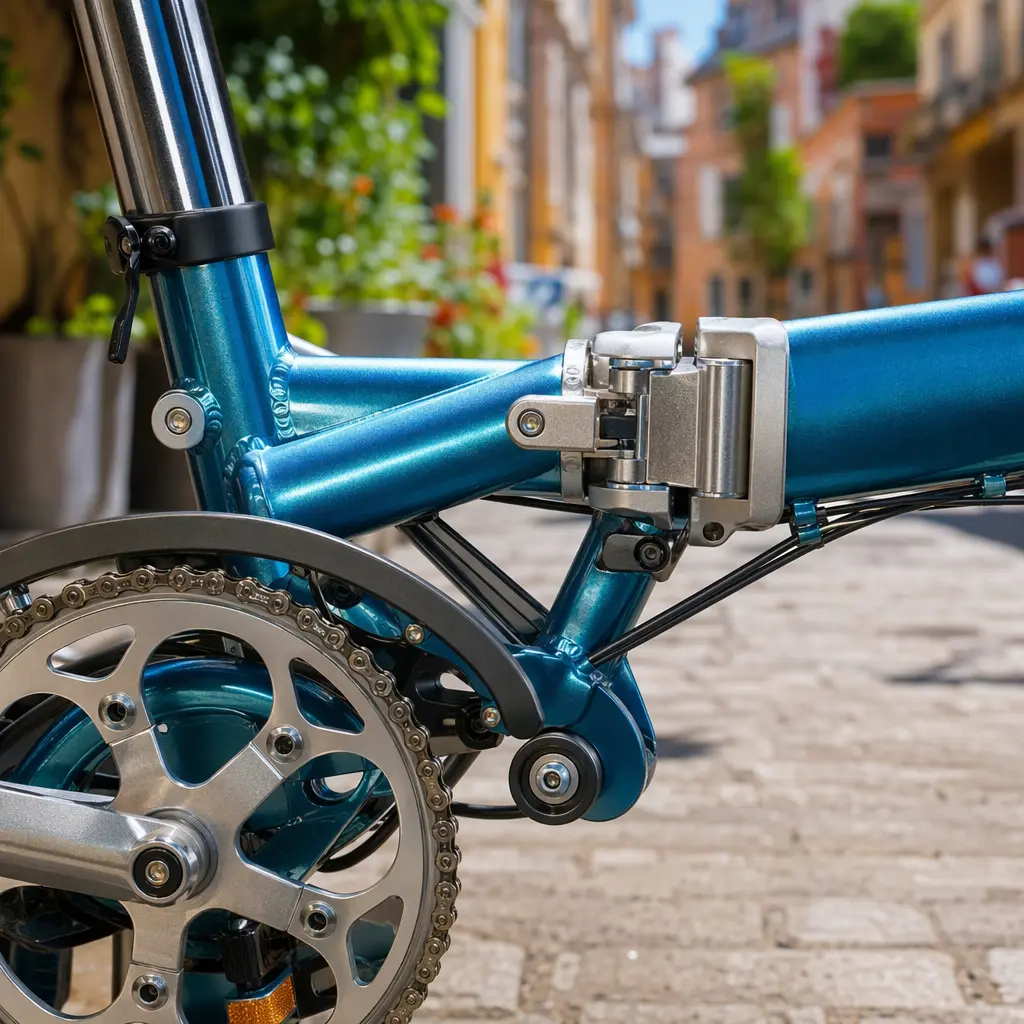
- Loose or flexy frame hinges that creak under pedalling load
- Small gear ranges that struggle on steeper hills
- Basic tyres with limited puncture protection
- Cheap pedals and grips that wear quickly
- Handlebar stems that need regular tightening
- Limited rack or mudguard compatibility
- Slow or awkward folding sequences with multiple clamps
- Low-quality wheel bearings that develop play after wet-weather commuting
Worth spending more on
Tyres are often the single most worthwhile upgrade on a folding bike. Small wheels can feel harsh over potholes and kerbs, so better-quality tyres with puncture protection and slightly softer compounds improve both comfort and grip. They also reduce the chances of roadside puncture repairs during commutes.
A solid lock matters as much as the bike itself if it will be parked outside regularly. Many folding bike owners also upgrade saddles and grips fairly quickly, as cheaper contact points can become uncomfortable on longer rides. Good mudguards are worth prioritising for UK commuting too, especially since smaller wheels throw up more spray in wet weather.
Frequently asked questions
Is a £300 folding bike good enough for commuting?
For shorter commutes and occasional train use, yes. Many budget folding bikes handle urban riding reasonably well. The trade-off is usually extra weight, slower folding and lower-quality finishing kit.
Why are lighter folding bikes more expensive?
Reducing weight while keeping the frame stiff and durable requires better materials, improved hinge design and higher-quality components. Lightweight parts also tend to cost more to manufacture.
Do more expensive folding bikes ride differently?
Usually, yes. Mid-range folding bikes often feel more stable, quieter and smoother over rough roads. Better tyres, stiffer frames and improved wheel quality all contribute to a less nervous ride feel.
Should you buy used instead?
Used folding bikes can offer strong value, particularly at the £500 to £700 level where higher-quality frames and hinges become affordable second-hand. Buyers should inspect hinge wear, wheel alignment and folding latches carefully before committing.
A £300 folding bike can still solve real commuting problems, but spending closer to £700 usually buys a lighter, smoother and less frustrating bike that is easier to live with every day.
Find these on Amazon
As an Amazon Associate, CheapBikes earns from qualifying purchases.