£400 vs £900 mountain bikes: what really changes?
Entry-level £400 MTBs look tempting, but £900 buys more control, durability and confidence off-road. Here’s the real-world difference in parts, ride feel and who each budget suits.
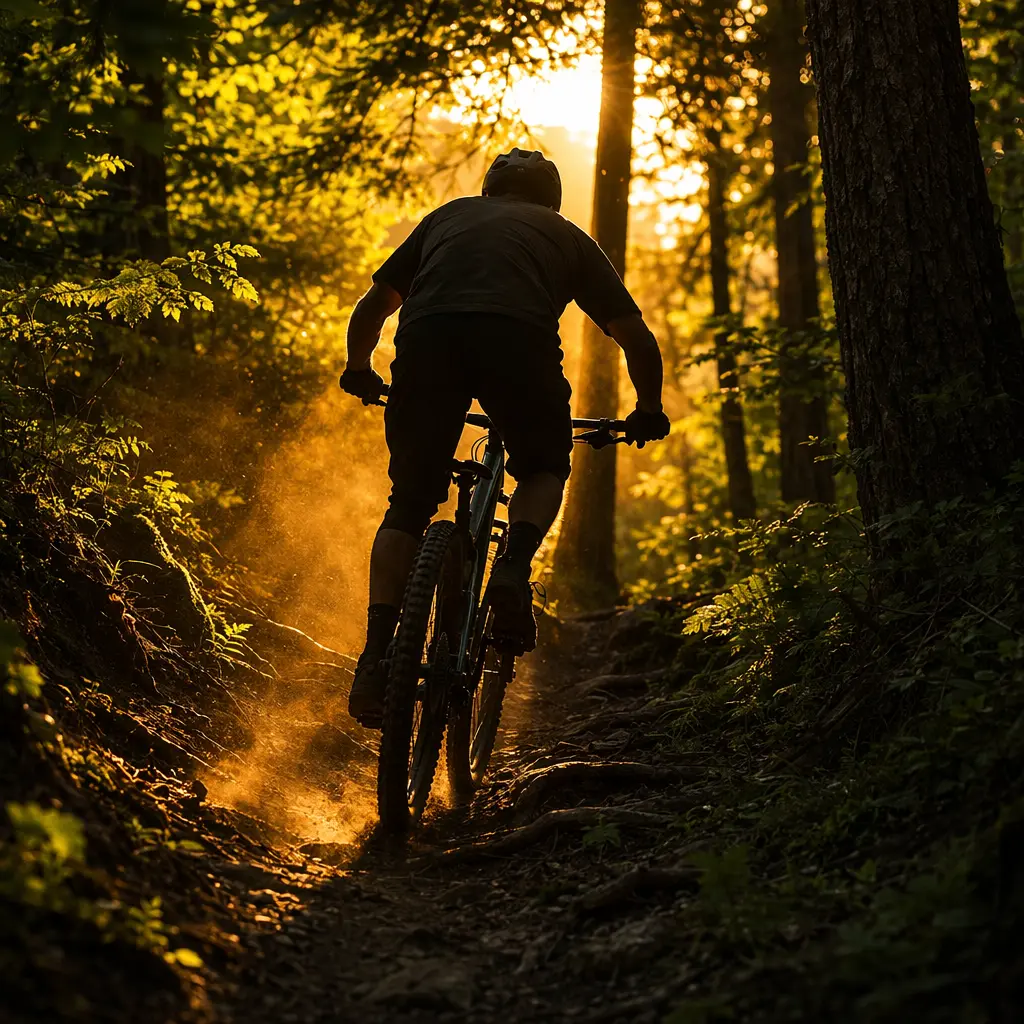
Mountain bikes span a huge price range, but £400 and £900 sit on opposite sides of a crucial divide. One promises affordability and casual off-road fun; the other aims for genuine trail confidence. For riders wondering whether spending more really changes the experience, this comparison breaks down what extra money actually buys — and where it matters most on UK trails.
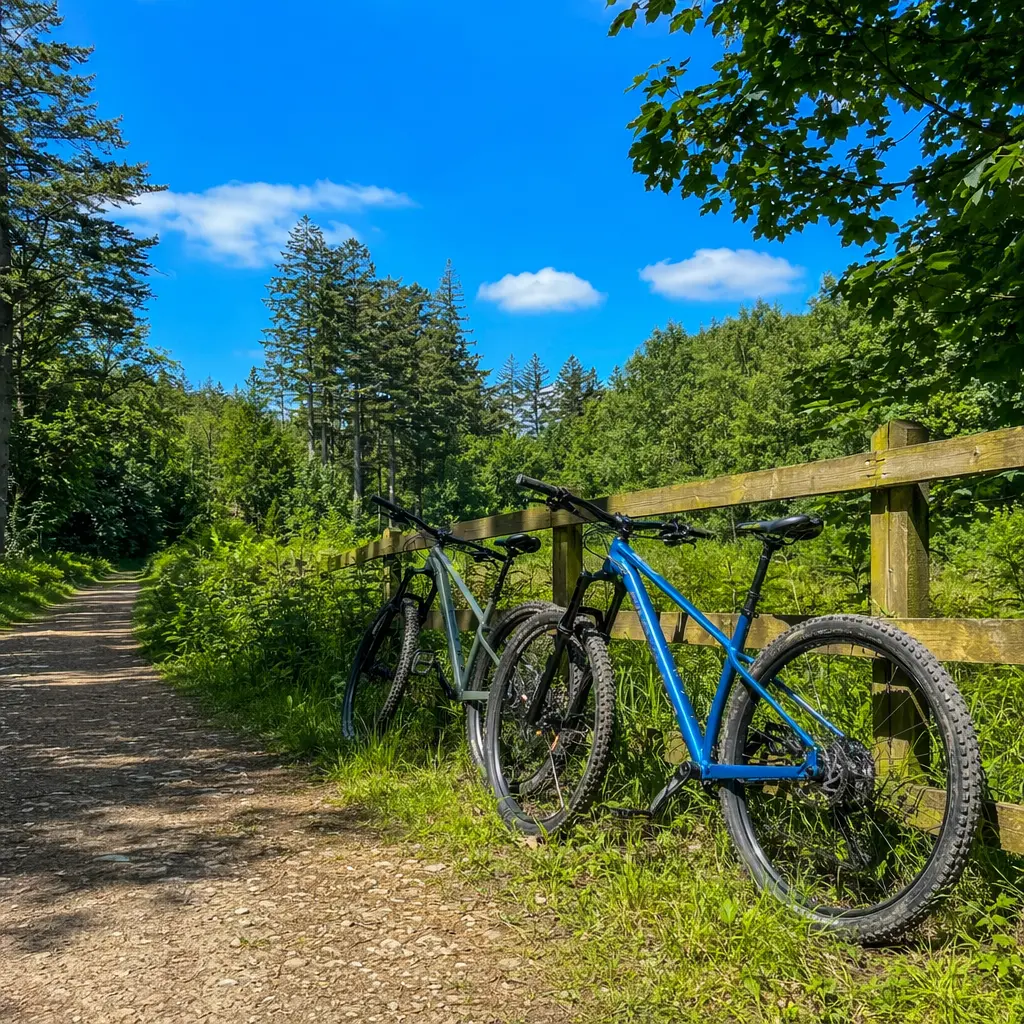
What you actually get at this price
At around £400, most mountain bikes are built to hit a headline price rather than a performance target. Frames are usually aluminium, but heavier and less refined. Components focus on basic reliability for light use rather than repeated hard riding.
Move closer to £900 and the priorities shift. You’re not buying a race bike, but you are getting parts designed to cope with regular trail riding, steeper descents and rougher surfaces without feeling overwhelmed.
- Frame: aluminium at both prices, but £900 frames are lighter, stiffer where needed, and better shaped for modern trail geometry
- Fork: basic coil-sprung suspension at £400 with limited adjustment; air-sprung forks at £900 with proper damping control
- Brakes: mechanical discs or entry-level hydraulics at £400; consistent hydraulic discs with larger rotors at £900
- Gearing: wide-range 2x or 3x drivetrains at £400; simpler, tougher 1x setups at £900
- Wheels and tyres: heavy rims and hard-compound tyres at £400; stronger wheels and grippier rubber at £900
- Extras: dropper seatposts and tubeless-ready wheels usually only appear near £900
How to choose
The key question is how and where the bike will be ridden. For canal towpaths, forest tracks and the occasional rooty section, a £400 bike can be enough — provided expectations are realistic. It will feel nervous on steeper descents and rough ground, but manageable at slower speeds.
If rides regularly include trail centres, rocky bridleways or technical descents, the £900 option makes more sense. Slacker geometry, stronger brakes and better suspension combine to reduce fatigue and mistakes. Fit still matters at both prices, so frame size and reach should come before any feature list.
What to look out for
- Very heavy forks with little damping control on cheaper bikes
- Mechanical disc brakes that fade on long descents
- Poor tyre grip that limits confidence more than any other part
- Outdated geometry that feels twitchy on modern trails
- Limited upgrade paths due to low-end hubs or unusual standards
Worth spending more on
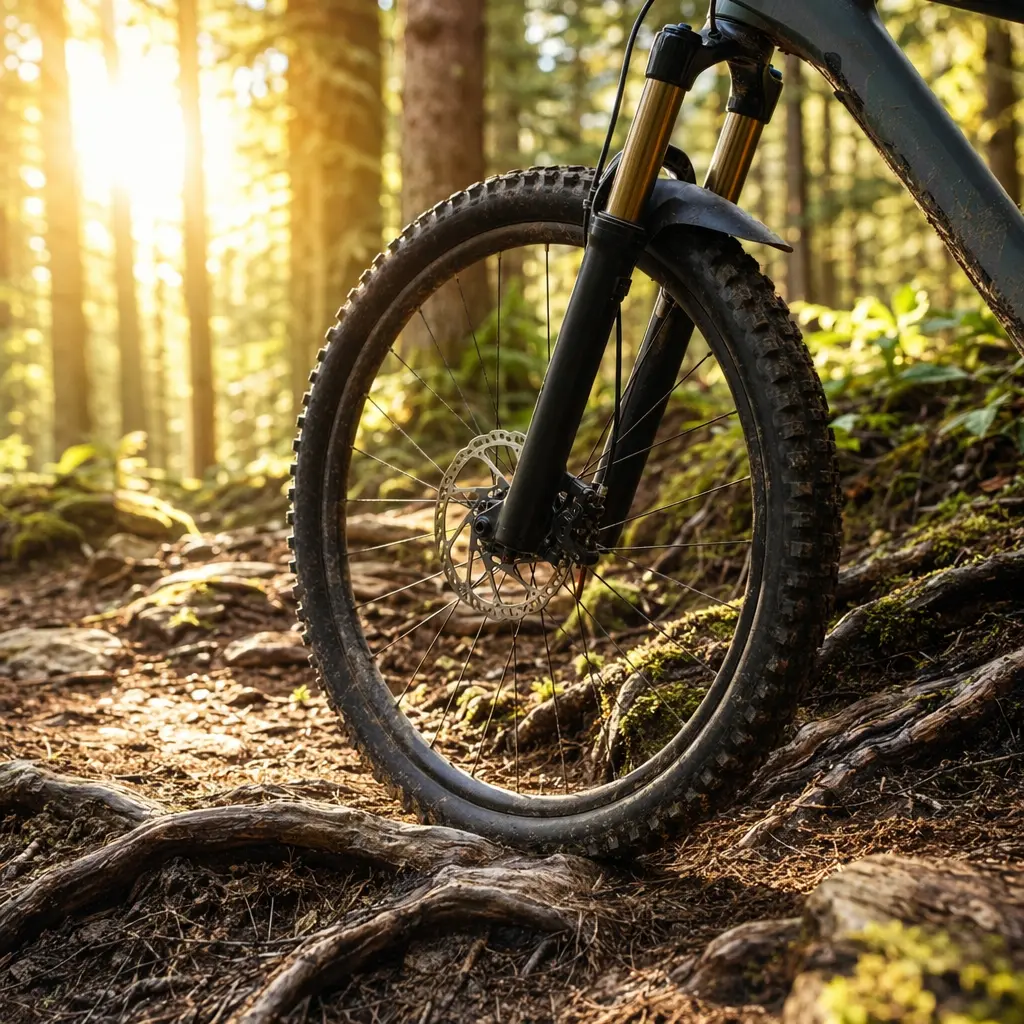
Even on a £400 bike, a few targeted upgrades can improve the ride more than chasing a higher-spec frame. Tyres are the biggest win: softer compounds and better tread patterns transform grip and control. Contact points also matter more than many expect.
At £900, spending a little extra on setup pays off. A professional suspension tune, decent pedals and a well-fitted helmet do more for confidence than shaving grams off components.
Frequently asked questions
Is a £400 mountain bike safe on trails?
Yes, for light trail use and moderate speeds. They’re designed for durability rather than aggression, so steep or technical terrain should be taken cautiously.
Does £900 get a ‘proper’ mountain bike?
It gets a solid trail-ready hardtail. Suspension quality, brakes and geometry are good enough for regular trail centre riding, though it’s still short of high-end performance.
Should beginners spend more straight away?
Not always. Beginners benefit from learning skills first, but those planning frequent off-road riding may progress faster on a more capable £900 bike.
Is used better than new at these prices?
Often yes, especially around £900. A lightly used bike from a known brand can outperform a brand-new budget option, provided it’s in good condition.
In short, £400 buys access to off-road riding, while £900 buys control and confidence — the right choice depends on how hard the trails, and ambitions, really are.
Find these on Amazon
As an Amazon Associate, CheapBikes earns from qualifying purchases.