£400 vs £800 road bikes: is the comfort upgrade real?
Does doubling the budget from £400 to £800 actually cut fatigue on longer leisure rides? A plain-English look at frames, tyres, gearing and the comfort gains weekend riders can expect.

This comparison is for weekend road riders weighing up a £400 starter bike versus stepping up to around £800. The question isn’t speed or racing kudos — it’s comfort. On longer leisure rides, fatigue builds through vibration, awkward fit and constant gear changes. Does spending twice as much genuinely leave riders fresher after three hours, or is the difference marginal?
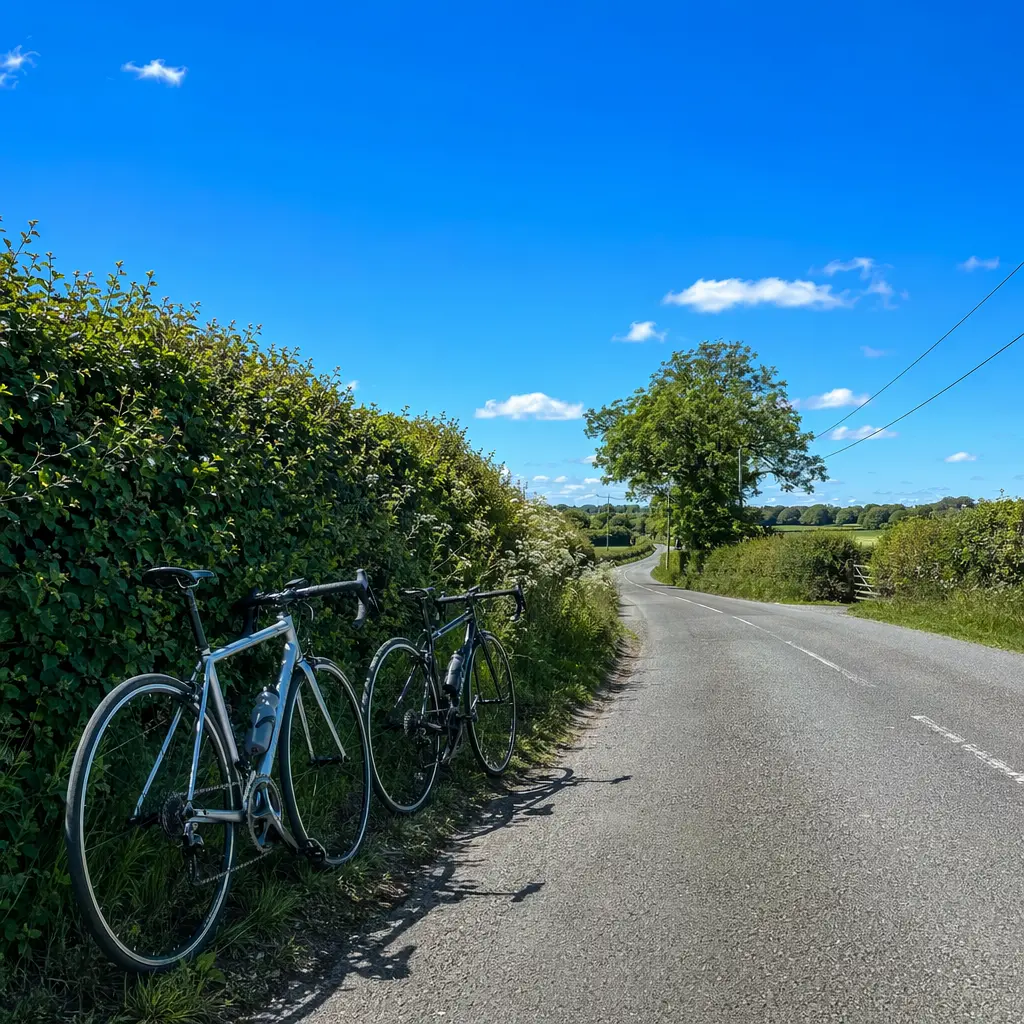
What you actually get at this price
At around £400, road bikes are built to hit a price point. They’re perfectly rideable, but comfort is mostly a by-product rather than a design priority. Frames tend to be basic aluminium with straight tubes, limited vibration damping and a relatively aggressive riding position inherited from older race geometries.
Move to £800 and the changes are subtle but cumulative. You’re still looking at aluminium frames, but with shaped tubing, carbon forks and geometry that’s a touch more relaxed. None of this turns a bike into an armchair, but it does reduce the small stresses that add up over a long afternoon.
- Frame material: aluminium at both prices; £800 frames usually have better tube shaping and a carbon fork
- Groupset tier: entry-level 8-speed at £400; smoother-shifting 9–10 speed at £800
- Brakes: basic rim brakes or entry-level mechanical discs vs stronger, more consistent calipers or discs
- Tyres: narrow, firm tyres at £400; wider, more supple tyres often fitted at £800
- Contact points: basic saddle and bar tape vs slightly better padding and ergonomics
How to choose
Comfort on a road bike comes from fit first, components second. Weekend riders should prioritise a position that doesn’t overload the hands, neck or lower back. Many £800 bikes offer taller head tubes or shorter reaches that make it easier to ride on the hoods for hours without strain.
Think about where and how far you ride. Smooth lanes and café spins put fewer demands on a bike than rough chipseal and rolling terrain. If rides regularly stretch beyond 40 miles, the easier gearing and calmer handling of the higher budget bike start to pay off in reduced fatigue.
What to look out for
- Very stiff frames with little compliance, which transmit road buzz into hands and shoulders
- Heavy wheels that take more effort to keep rolling on longer rides
- Limited tyre clearance, restricting the option to run wider, more comfortable tyres
- Basic shifters that require a firm push and frequent adjustment
- Minimal adjustability in stem or handlebar shape
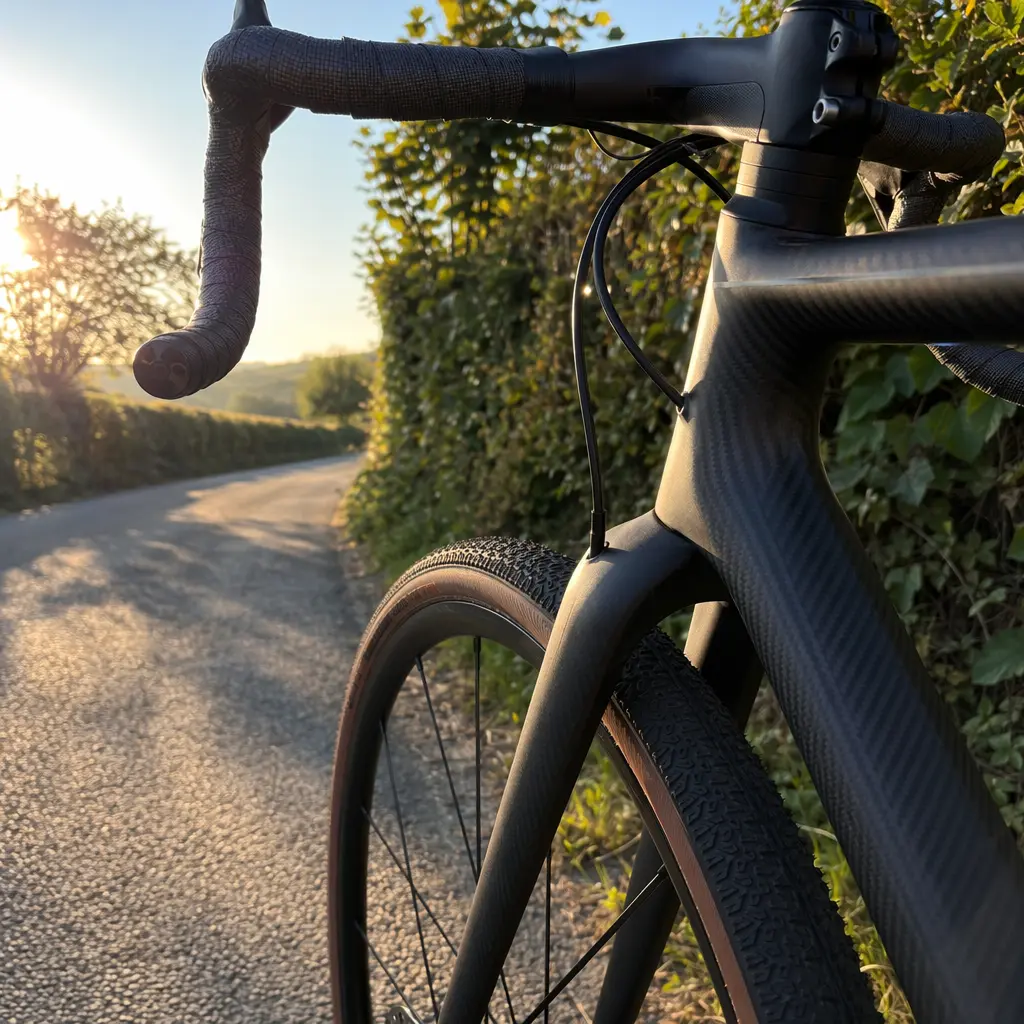
Worth spending more on
The biggest comfort gains often come from small upgrades rather than the frame itself. Tyres are top of the list. Swapping to wider, higher-quality tyres at lower pressures can transform ride feel on either budget, often more than moving up a frame tier.
A better saddle and padded bar tape are also cost-effective fixes. Even on an £800 bike, stock saddles are chosen to suit the average buyer, not individual anatomy. Budgeting a little extra for contact points can reduce numbness and soreness far more than chasing lighter components.
Frequently asked questions
Will an £800 road bike feel twice as comfortable?
No. The gains are incremental, not dramatic. Expect smoother feedback from the road, easier shifting and a more forgiving riding position — enough to notice after a few hours, but not a night-and-day transformation.
Is carbon essential for comfort?
Not at this level. A carbon fork helps, but aluminium frames can be comfortable when paired with good tyres and sensible geometry. Full carbon frames usually sit above this budget.
Can a £400 bike be made comfortable enough?
Yes, within limits. Proper fit, wider tyres and upgraded contact points can make a big difference. The underlying frame stiffness and gearing range remain, but many riders happily tackle long leisure rides this way.
Is it better to buy used at £800?
A well-maintained used bike can offer more for the money, but condition matters. Worn drivetrains and tired wheels quickly erase any comfort advantage, so factor servicing into the budget.
In short, moving from £400 to £800 doesn’t buy luxury, but it does reduce the small discomforts that wear riders down. For regular longer rides, that quieter, easier ride can be the difference between feeling spent and feeling ready for the next weekend.
Find these on Amazon
As an Amazon Associate, CheapBikes earns from qualifying purchases.