£300 vs £600 gravel bikes: real comfort gains
Is a £600 gravel bike genuinely more comfortable than a £300 one? This plain‑English comparison breaks down tyres, gearing and frames to show where confidence and comfort really improve on rough roads.
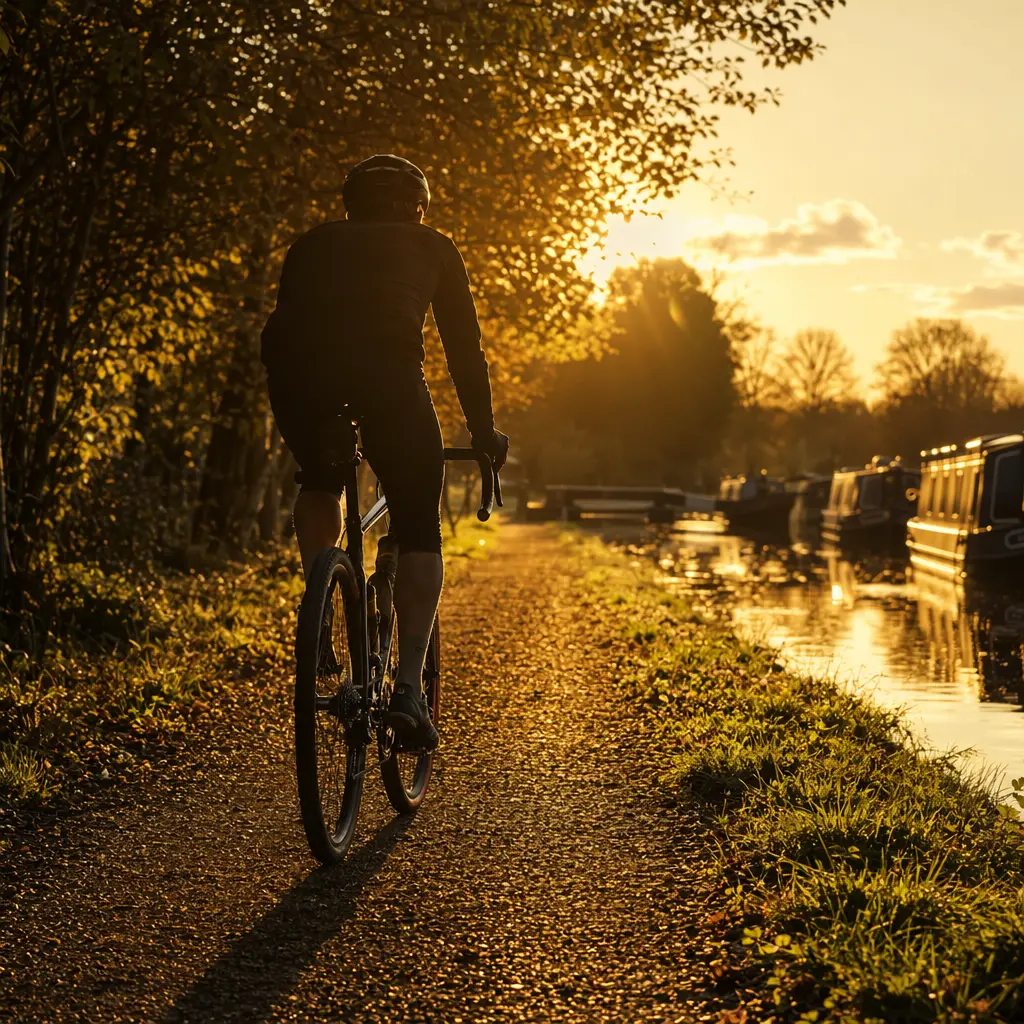
Gravel bikes promise comfort and confidence on broken tarmac, towpaths and farm tracks. But with entry prices clustering around £300 and more convincing options near £600, the value question is simple: how much smoother and more controlled does the ride really get when you double the budget? This guide looks past marketing and focuses on the parts that actually change how a bike feels under you.
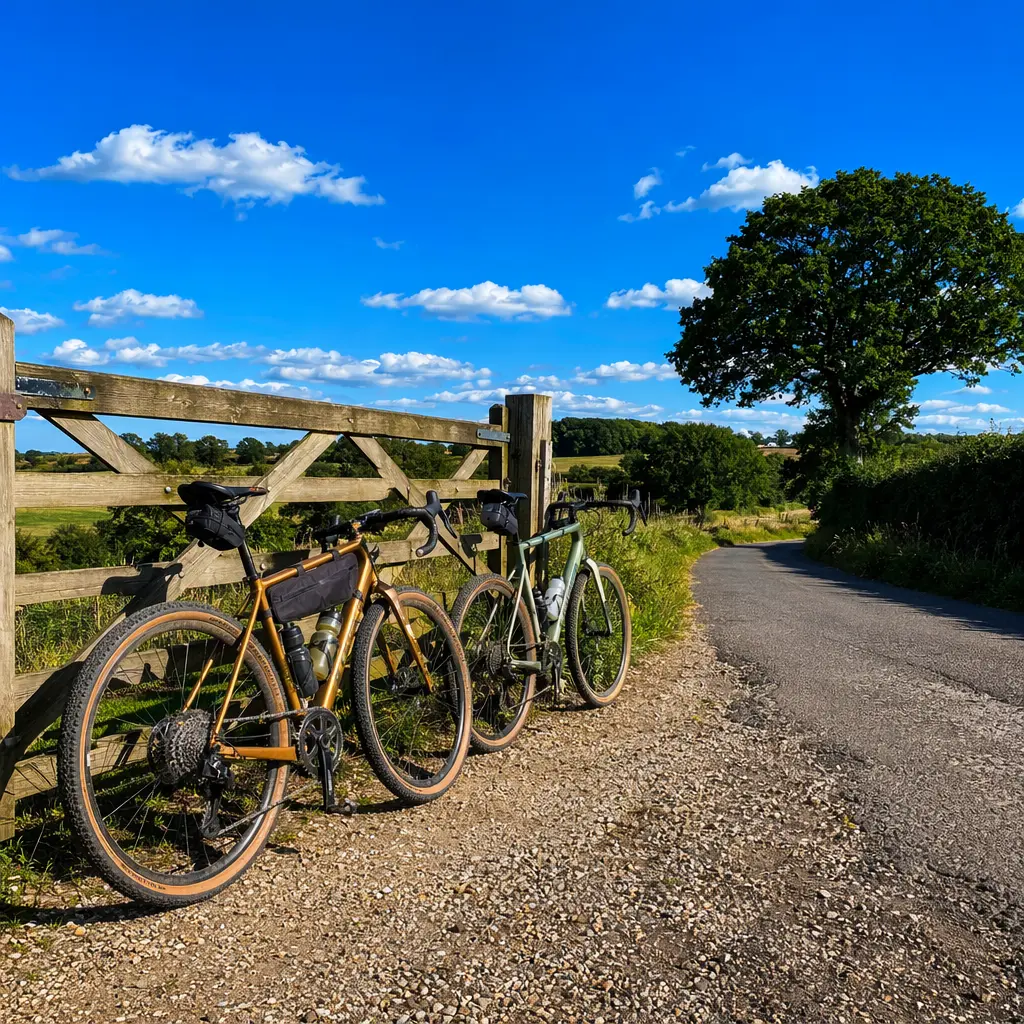
What you actually get at this price
At around £300, gravel bikes are built to a price. They look the part, but most of the budget goes on the frame and wheels, leaving little headroom for refined components. At £600, manufacturers can upgrade the contact points and drivetrain, which is where comfort and control start to improve noticeably.
The difference is rarely about outright speed. It’s about how calm the bike feels when the surface turns rough, how easily you keep momentum, and how much fatigue builds over an hour or two.
- Frame: £300 bikes usually use basic aluminium with minimal shaping; £600 frames often add slimmer stays or carbon forks to take the sting out of chatter.
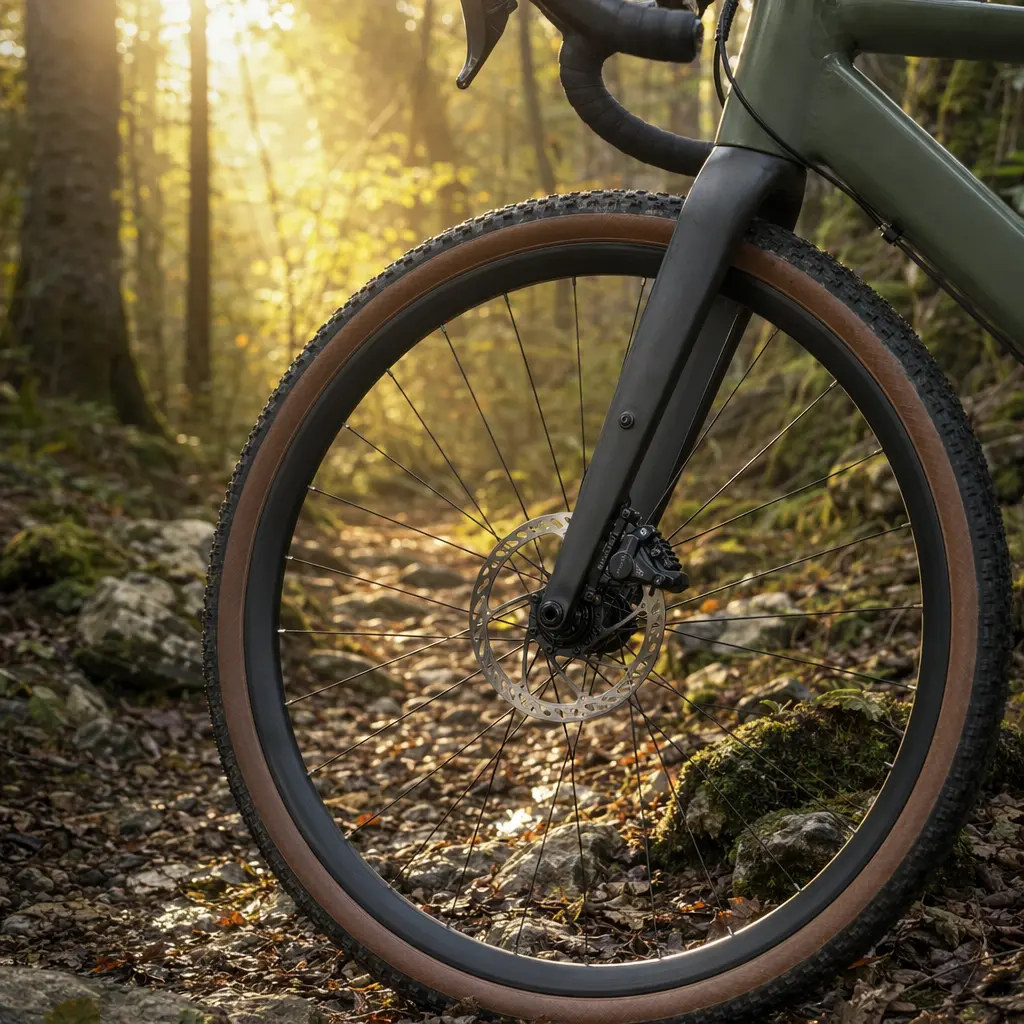
- Tyres: Budget models tend to ship with 35–38mm, wire‑bead tyres; £600 bikes more often include 40–45mm tyres with better casings and lower pressures.
- Gearing: Expect wide‑range but clunky 2x drivetrains at £300; £600 brings smoother shifting and ratios better suited to steep, loose climbs.
- Brakes: Mechanical disc brakes are common at £300; £600 bikes may still be mechanical, but with stronger calipers or entry‑level hydraulics.
- Extras: Rack and mudguard mounts are hit‑and‑miss at £300; more consistent and sturdier at £600.
How to choose
Comfort on rough roads starts with tyres. Wider rubber at lower pressure does more to smooth surfaces than frame material alone. If a £600 bike lets you run 42mm tyres tubeless, that’s a genuine upgrade over a £300 bike limited to narrower, higher‑pressure tyres.
Geometry also matters. Cheaper gravel bikes often borrow from endurance road designs, feeling twitchy on loose paths. Spending more usually buys a longer wheelbase and slacker angles, which translate into confidence when descending gravel or riding with luggage.
What to look out for
- Heavy wheels that blunt acceleration and transmit bumps.
- Basic tyres with stiff casings that undo any frame comfort.
- Limited tyre clearance that caps future upgrades.
- Weak mechanical disc brakes needing frequent adjustment.
- Sparse mounting points if you plan racks or bikepacking bags.
Worth spending more on
Even if the bike itself is budget, a few targeted upgrades can narrow the comfort gap. Tyres are the biggest win: a quality 40–45mm tyre transforms ride feel more than most frame changes.
A better saddle and padded bar tape reduce fatigue on long, rough rides. At £600, these touches are often included; at £300, budgeting an extra £50–£100 can pay back every mile.
Frequently asked questions
Is a £300 gravel bike uncomfortable?
Not necessarily. It will cope with towpaths and light gravel, but expect more vibration and less confidence on rough descents compared with pricier options.
Does a £600 bike feel twice as good?
No — comfort gains are incremental. The improvement is real, but it’s about reduced fatigue and better control rather than a dramatic transformation.
Which matters more: frame or tyres?
Tyres. Wider, higher‑quality tyres at lower pressures do more for comfort than frame material alone, especially at these price points.
Should beginners spend £600?
If gravel riding will be occasional, £300 is fine. For regular rough‑road riding, £600 buys confidence that keeps rides enjoyable rather than tiring.
In short, £600 gravel bikes don’t rewrite the rulebook, but they do stack small comfort gains that add up on rough roads — worth it if those surfaces are your regular route.
Find these on Amazon
As an Amazon Associate, CheapBikes earns from qualifying purchases.