£300 vs £600 gravel bikes: what extra ability do you buy?
A clear-eyed UK comparison of £300 and £600 gravel bikes. Learn how geometry and tyre clearance change confidence on rough paths, and where the extra money genuinely improves ride quality.
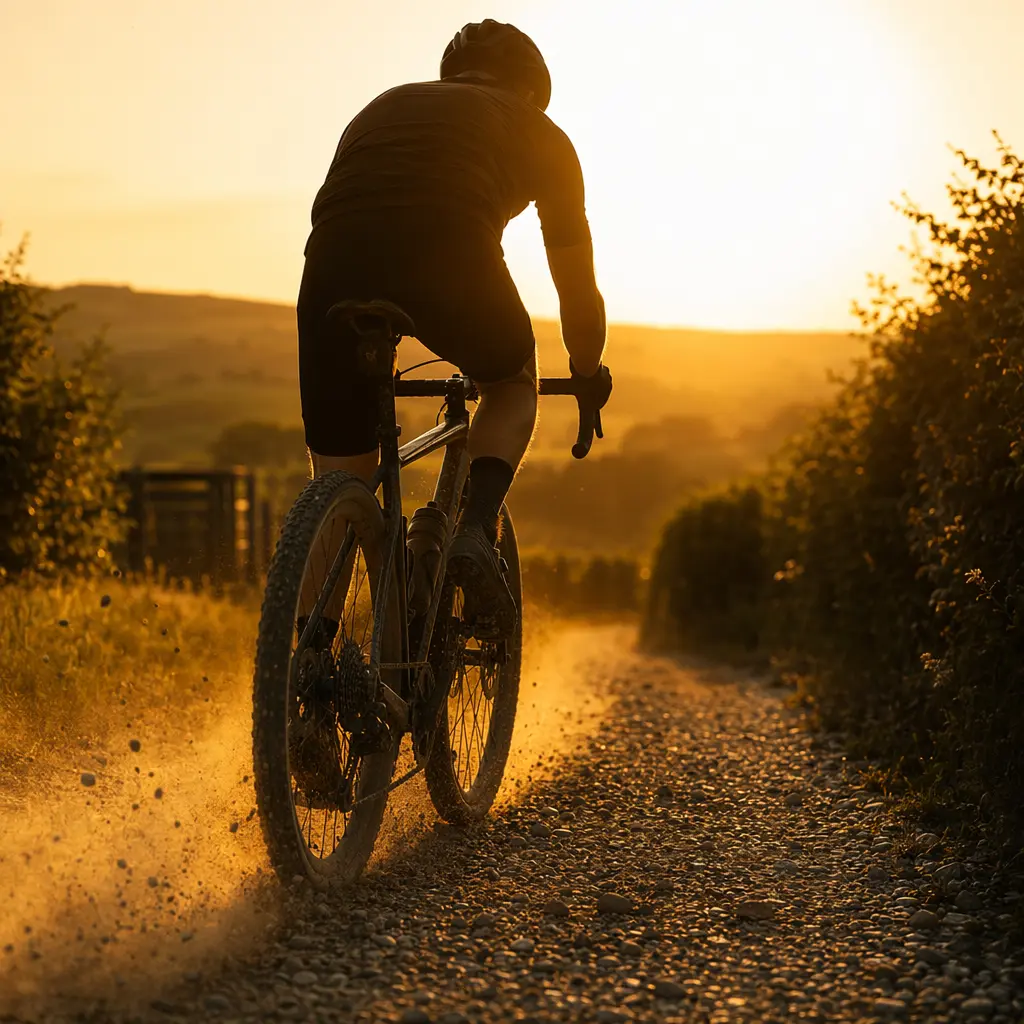
Gravel bikes promise freedom: road speed with the confidence to turn down a towpath, bridleway or forest road. At £300–£600, that promise looks tempting — but how much mixed-surface ability do you really gain by spending double? This guide breaks down where geometry and tyre clearance change confidence on rough paths, and where cheaper bikes simply hit their limits.
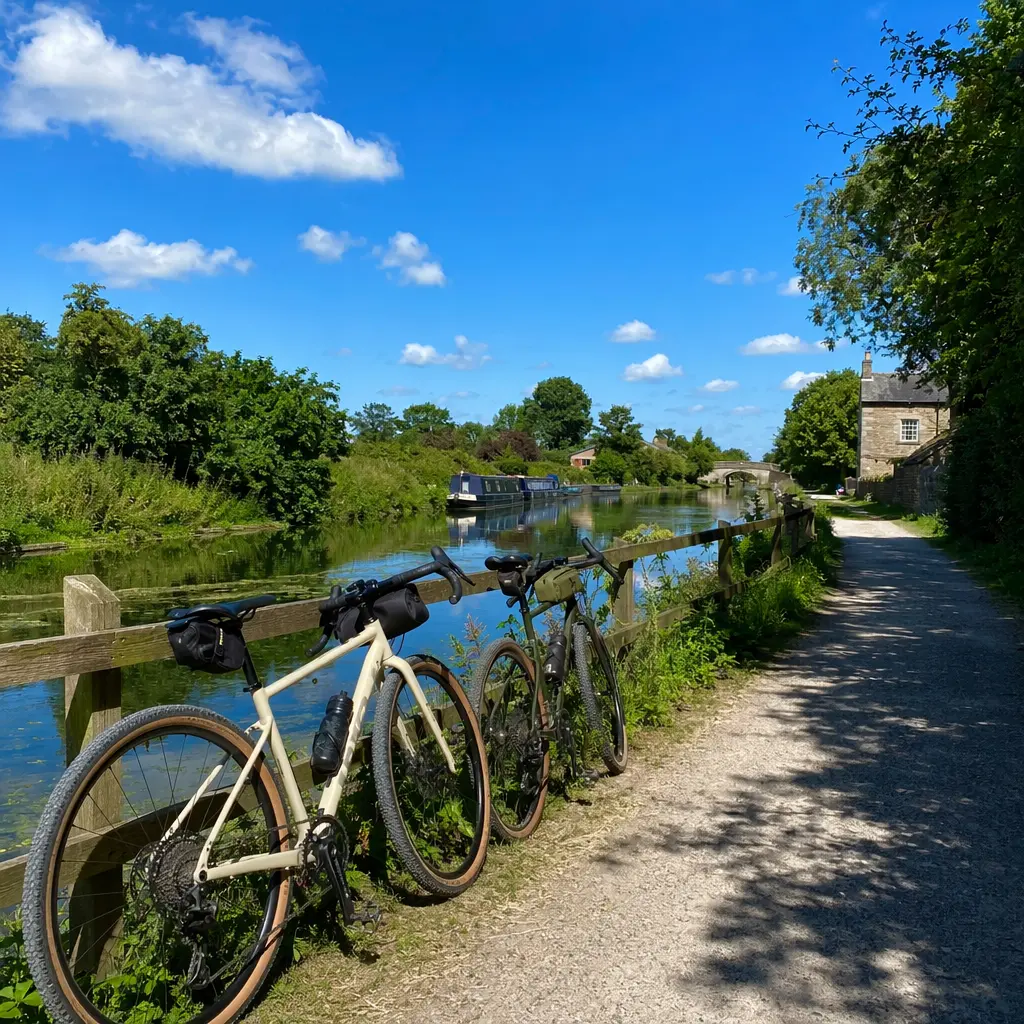
What you actually get at this price
At around £300, most gravel-labelled bikes are built to a strict cost ceiling. Frames are usually aluminium or steel with conservative geometry borrowed from endurance road bikes. They will roll on light gravel and smooth paths, but feel nervous once surfaces get loose or rutted.
At £600, you start to see frames designed specifically for gravel. The difference is less about outright speed and more about control: longer wheelbases, slacker head angles and room for wider tyres make rough paths feel calmer and more predictable.
- Frame: £300 bikes are basic aluminium or steel; £600 bikes use lighter aluminium with shaped tubes and more mounting points
- Geometry: steeper, road-like handling at £300; more stable gravel geometry at £600
- Tyre clearance: typically 32–35mm at £300 vs 40–45mm at £600
- Brakes: mechanical disc brakes at both prices, but better calipers and rotors at £600
- Gearing: wide-range but basic drivetrains at £300; smoother-shifting, gravel-appropriate gearing at £600
- Extras: rack and mudguard mounts are hit-and-miss at £300, more consistently included at £600
How to choose
The key decision is where and how often you’ll ride off-road. If your gravel riding is mostly compacted paths, canal towpaths and the odd dry bridleway, a £300 bike can cope — but only with careful line choice and lower speeds.
If you want confidence on rougher tracks, loose stone or winter-muddy routes, geometry and tyre clearance matter more than brand names. A £600 bike’s longer wheelbase and wider tyres smooth out bumps and reduce twitchiness, letting you relax rather than wrestle the bars.
What to look out for
- Limited tyre clearance that caps comfort and grip
- Heavy wheels that dull acceleration and feel harsh on rough ground
- Basic mechanical disc brakes with weak stopping power in the wet
- Narrow handlebars that reduce control off-road
- Few or no mounting points for racks, cages or full mudguards
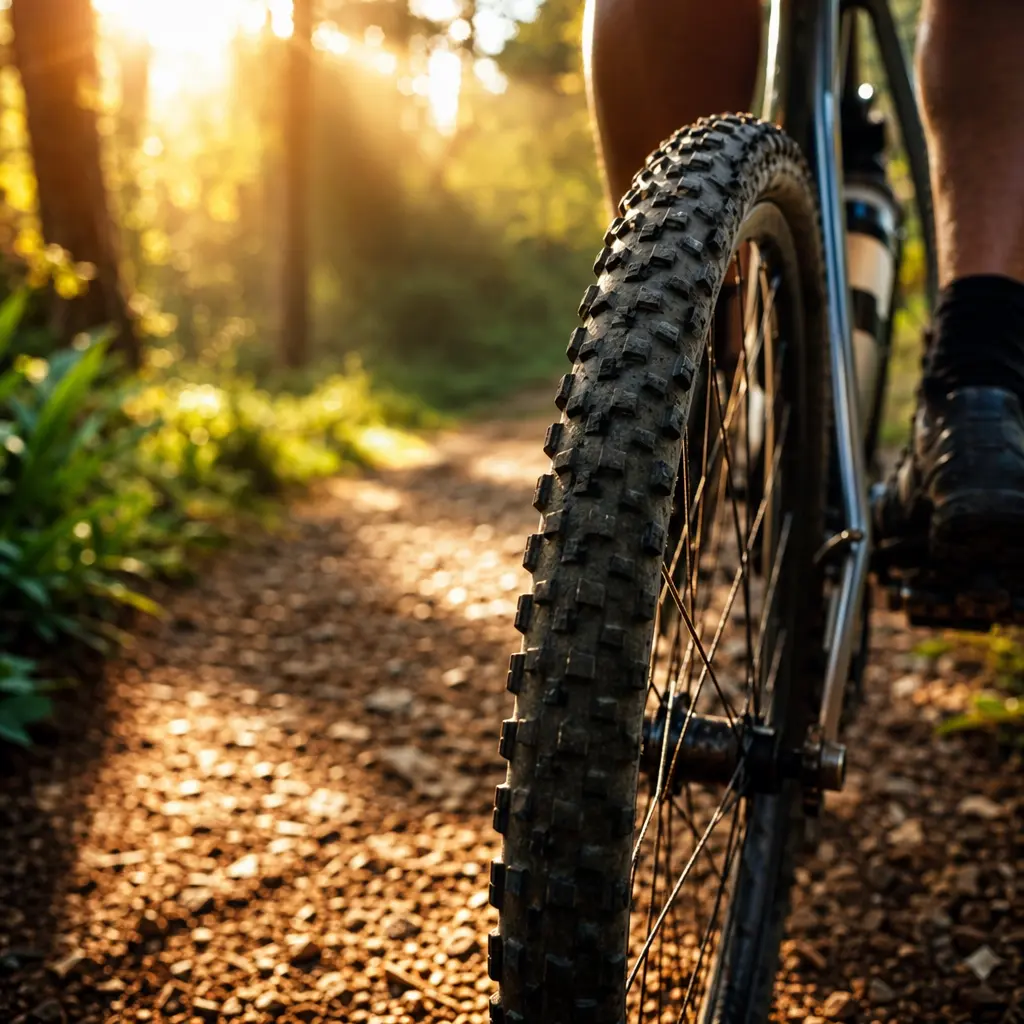
Worth spending more on
If the bike itself stretches the budget, a few targeted upgrades can transform ride quality. Tyres are the biggest win: switching to wider, tubeless-ready rubber (if the rims allow) adds grip and comfort immediately.
Contact points matter too. A better saddle, padded bar tape and wider handlebars can make long mixed-surface rides far more enjoyable than chasing lighter components.
Frequently asked questions
Is a £300 gravel bike really a gravel bike?
It can handle light gravel and paths, but expect road-biased handling. Think of it as an all-road bike rather than a true off-road explorer.
Does £600 get you hydraulic brakes?
Rarely. Most bikes at this price still use mechanical discs, but with better feel and reliability than cheaper setups.
Can I upgrade a £300 bike to match a £600 one?
Some upgrades help, but geometry and tyre clearance can’t be changed. Those are the core advantages of spending more upfront.
Is used better value?
Often yes. A well-kept used gravel bike originally priced above £600 can outperform a new budget option, but check for drivetrain wear and wheel condition.
In short: £300 buys access to gravel, £600 buys confidence on it. Choose the level of roughness you want to ride, and spend accordingly.
Find these on Amazon
As an Amazon Associate, CheapBikes earns from qualifying purchases.