£300 vs £600 folding bikes: daily-use differences
Weight, fold speed and ride feel compared for UK commuters. What £300 folding bikes do well, where £600 options save time and effort, and which upgrades actually matter day to day.
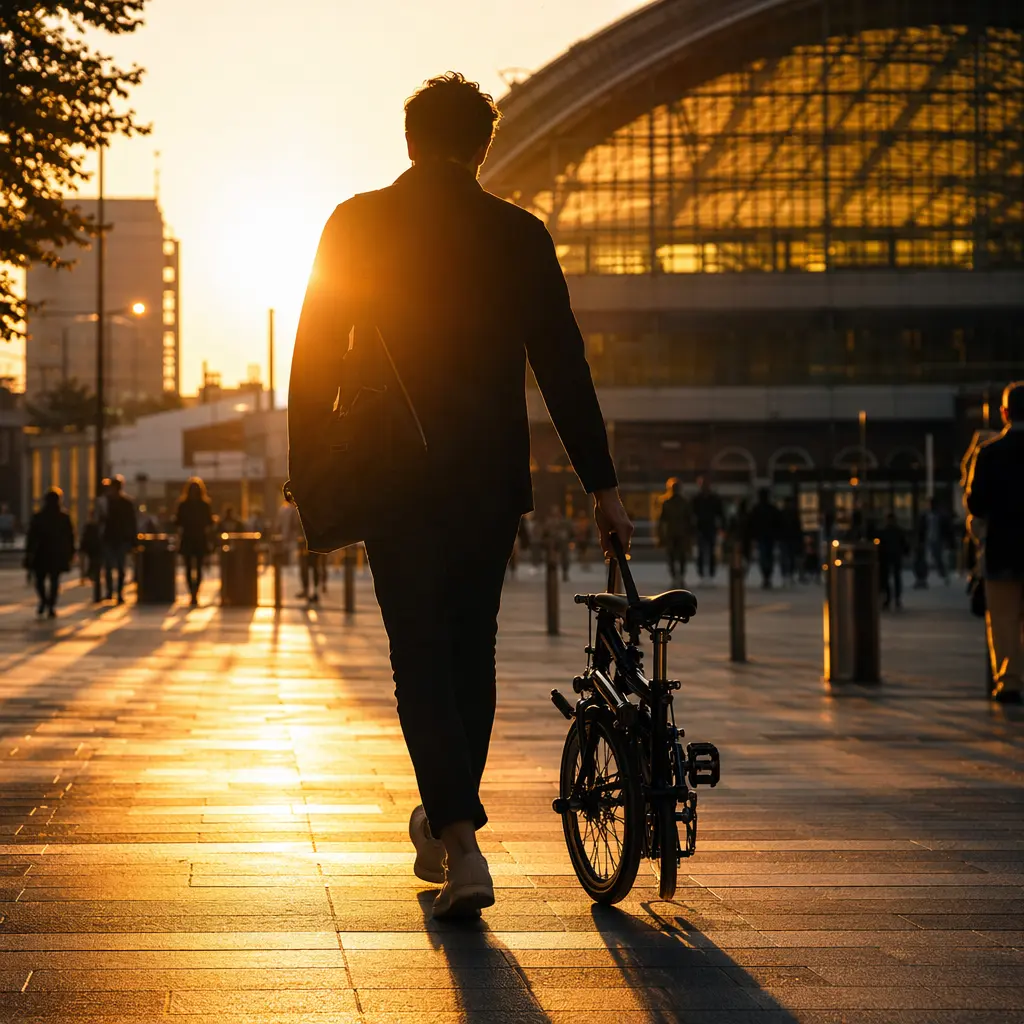
Folding bikes promise easy multimodal travel: cycle to the station, hop on a train, then ride the last mile. But daily convenience varies hugely by price. Around £300 gets a basic folder that works; around £600 buys refinements that save time, effort and faff. This comparison looks at weight, fold speed and ride feel for real-world UK commuting, and explains where the extra money actually helps — and where it doesn’t.
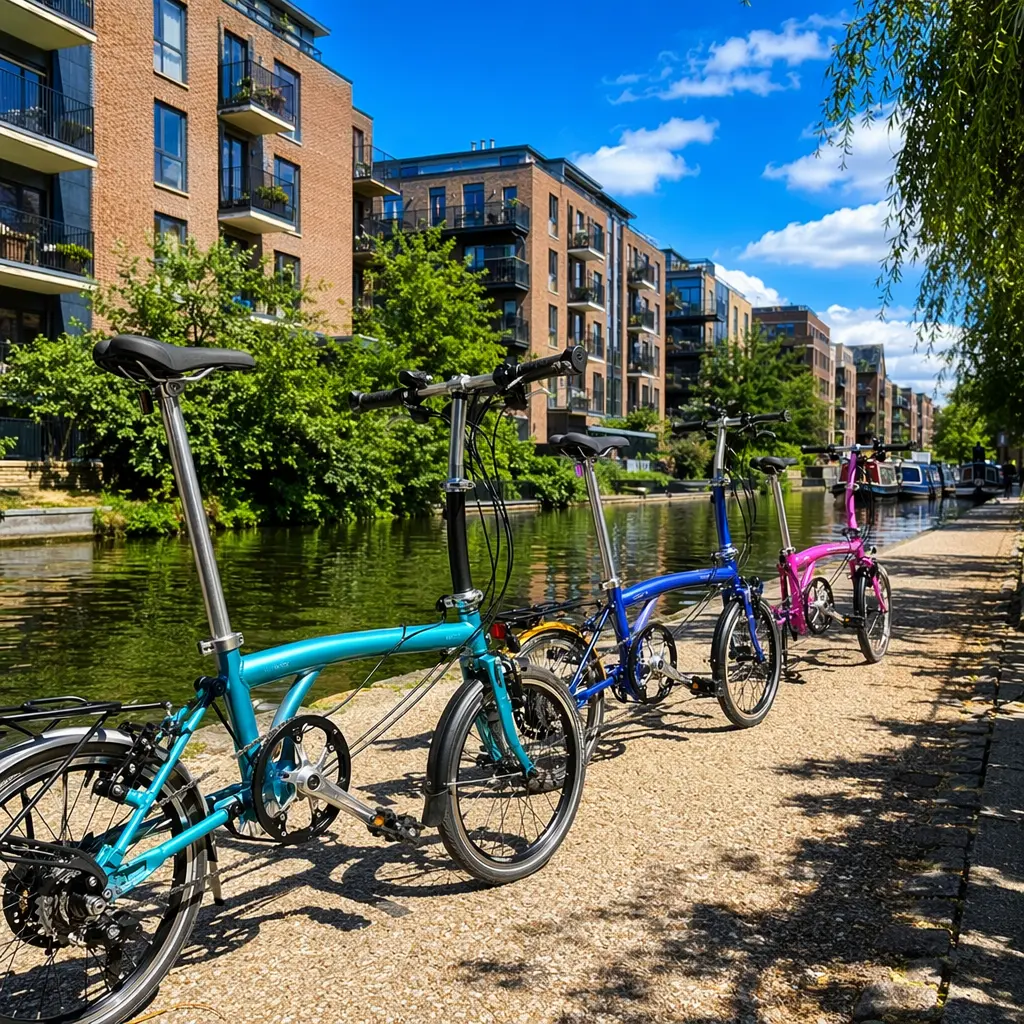
What you actually get at this price
At £300, folding bikes focus on affordability and simplicity. Frames are usually steel or basic aluminium, components are sturdy rather than light, and the fold is functional but not fast. They’ll get you to work reliably, but you’ll notice the weight when carrying and the bulk when storing.
At £600, you’re paying for polish. Materials improve, hinges feel tighter, and small design tweaks make daily handling easier. The bike still isn’t featherweight, but it’s noticeably nicer to live with if you fold and carry it every day.
- Frame material: £300 bikes are often steel or entry aluminium; £600 tends toward lighter aluminium with neater welds
- Weight: roughly 12–14kg at £300 vs 10–12kg at £600, depending on spec
- Gearing: basic 6–7 speed derailleurs at £300; wider-range 7–9 speed or hub gears at £600
- Brakes: cable rim brakes or basic mechanical discs at £300; better calipers or discs with stronger feel at £600
- Extras: mudguards often included at both prices; racks, magnets or locks to keep the bike folded are more common at £600
How to choose
Start with how often you’ll fold and carry. If the bike is folded once or twice a week and mostly ridden, a £300 option can make sense. If you fold at every journey — trains, offices, shops — fold speed and balance matter more than headline spec.
Think about ride feel too. Smaller wheels already transmit more road buzz; better tyres and stiffer frames at £600 help the bike track straighter and feel calmer over kerbs and potholes. Geometry is usually more refined as well, giving a less twitchy steering feel for longer commutes.
What to look out for
- Slow or awkward folding sequences that take a minute rather than seconds
- No way to keep the bike securely folded when carried
- Heavy wheels and cheap tyres that sap speed and comfort
- Limited gearing that struggles on bridges or hilly routes
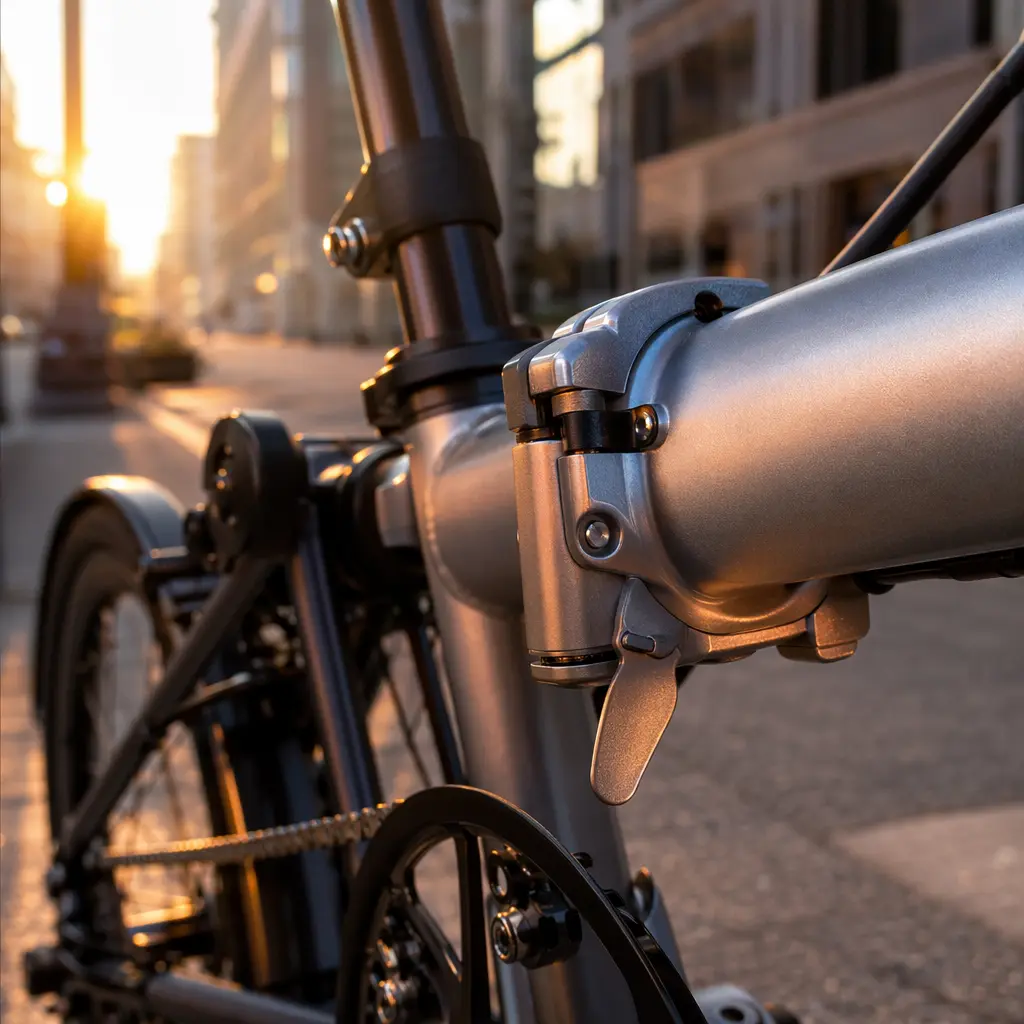
- Handlebars or seatposts that slip if clamps are basic
Worth spending more on
If the jump to £600 feels steep, targeted upgrades can narrow the gap. Tyres are the biggest win: lighter, puncture-resistant rubber transforms speed and comfort. A better saddle helps on longer rides, and a quality seatpost clamp prevents annoying slippage.
Security and carrying kit matter too. A compact lock that fits the frame, or a simple shoulder strap for folded carrying, can make a cheaper bike far easier to live with.
Frequently asked questions
Is a £600 folding bike twice as good as a £300 one?
Not twice as good in raw performance, but noticeably better in daily convenience. The gains are in quicker folding, lower carry weight and a calmer ride, which add up over a working week.
Can a £300 folding bike handle daily commuting?
Yes, if expectations are realistic. It will be heavier and less refined, but with regular checks and decent tyres it can cope with short to medium commutes.
Are folding bikes safe on rough UK roads?
They’re safe, but small wheels mean you’ll feel bumps more. Better tyres and correct tyre pressure make a bigger difference than price alone.
Is used a good option at £600?
It can be. Higher-quality hinges and frames age better, but check for play in the folding joints and smooth operation before buying.
Bottom line: £300 gets you moving; £600 makes the routine easier. Choose based on how often you’ll fold and carry, not just how far you’ll ride.
Find these on Amazon
As an Amazon Associate, CheapBikes earns from qualifying purchases.