£250 vs £500 folding bikes: what actually improves?
If a folding bike is used several times a week, the jump from £250 to £500 brings real gains. This guide explains which upgrades genuinely matter for daily commuting — and which don’t.
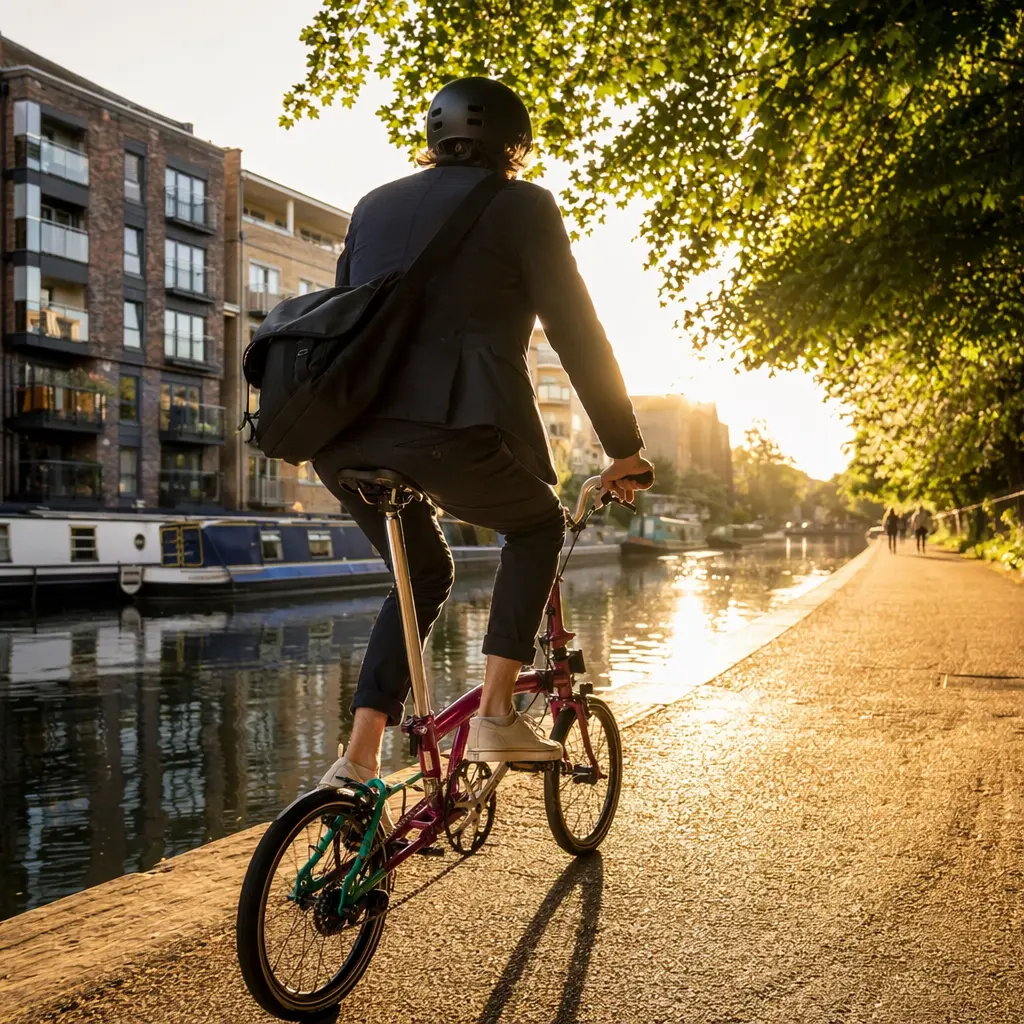
Folding bikes make sense when storage is tight or journeys mix cycling with trains, buses or car boots. But daily use quickly exposes the limits of the very cheapest folders. This comparison looks at what actually improves when the budget moves from around £250 to £500 — and whether those upgrades matter if the bike is ridden several times a week.
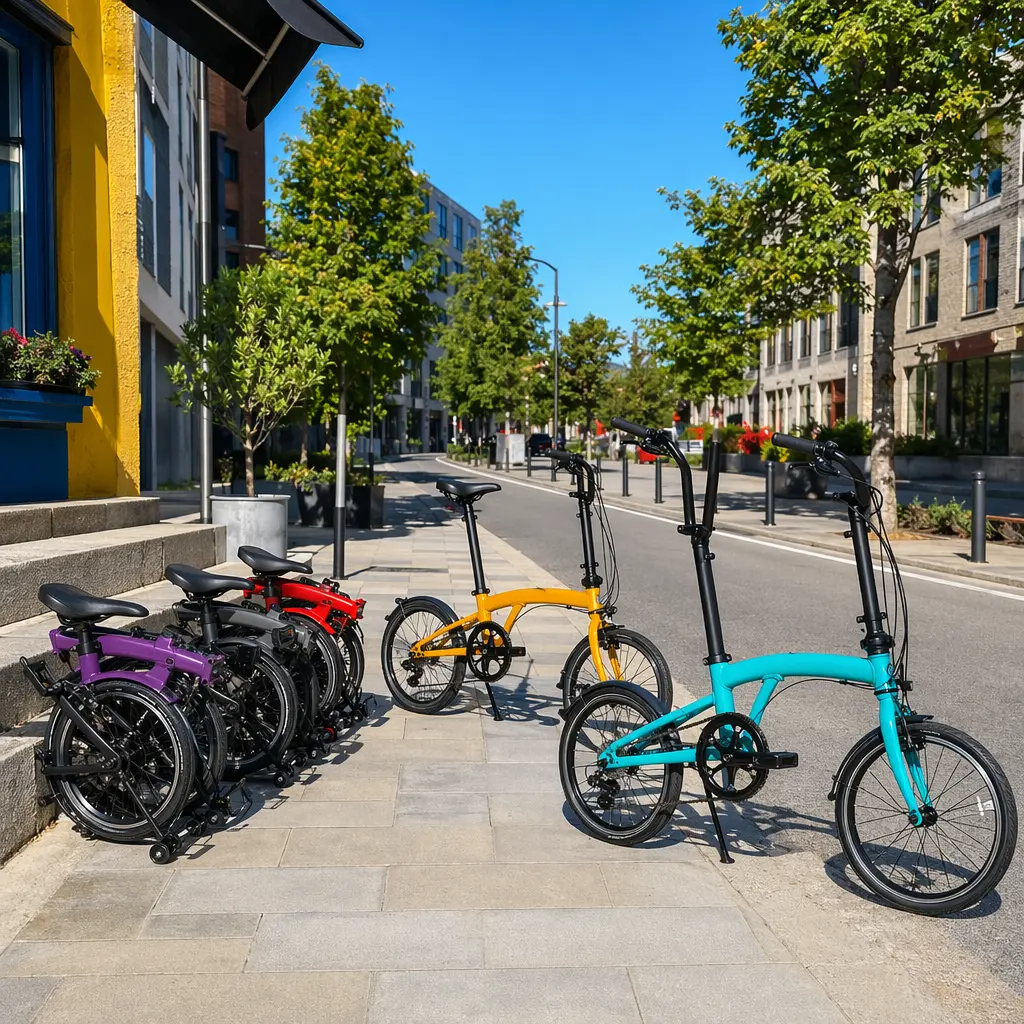
What you actually get at this price
At around £250, folding bikes are built to hit a price point. They get the job done for occasional trips, but corners are cut to keep costs down. At £500, the bike is still firmly in the budget category, yet several component upgrades noticeably improve everyday usability.
The biggest differences show up in the parts you interact with most: gearing, brakes, wheels and the folding hardware itself. Weight also tends to drop slightly, which matters when carrying the bike up stairs or onto a train.
- Frame: both usually aluminium, but £500 bikes often have stiffer hinges and better finishing
- Gearing: basic 6-speed freewheel at £250 vs wider-range 7–9 speed systems at £500
- Brakes: budget rim brakes or basic mechanical discs vs more consistent disc brakes
- Wheels and tyres: heavy rims and hard tyres vs slightly lighter wheels and better puncture protection
- Extras: £500 models more likely to include mudguards, rack mounts or dynamo-ready wheels
How to choose
For daily use, reliability and ease of handling matter more than outright speed. A folding bike should feel predictable when loaded with a bag and easy to carry when folded. Pay attention to the fold itself — how many steps it takes, whether it stays closed, and if it can be rolled rather than carried.
Fit is also crucial. Folding bikes come in limited sizes, so adjustability counts. A longer seatpost and height-adjustable stem, more common at £500, make it easier to dial in a comfortable position for repeated rides.
What to look out for
- Very heavy frames that become a chore on stairs or platforms
- Basic shifters that struggle under load or need frequent adjustment
- Limited gear range that feels fine on the flat but punishing on hills
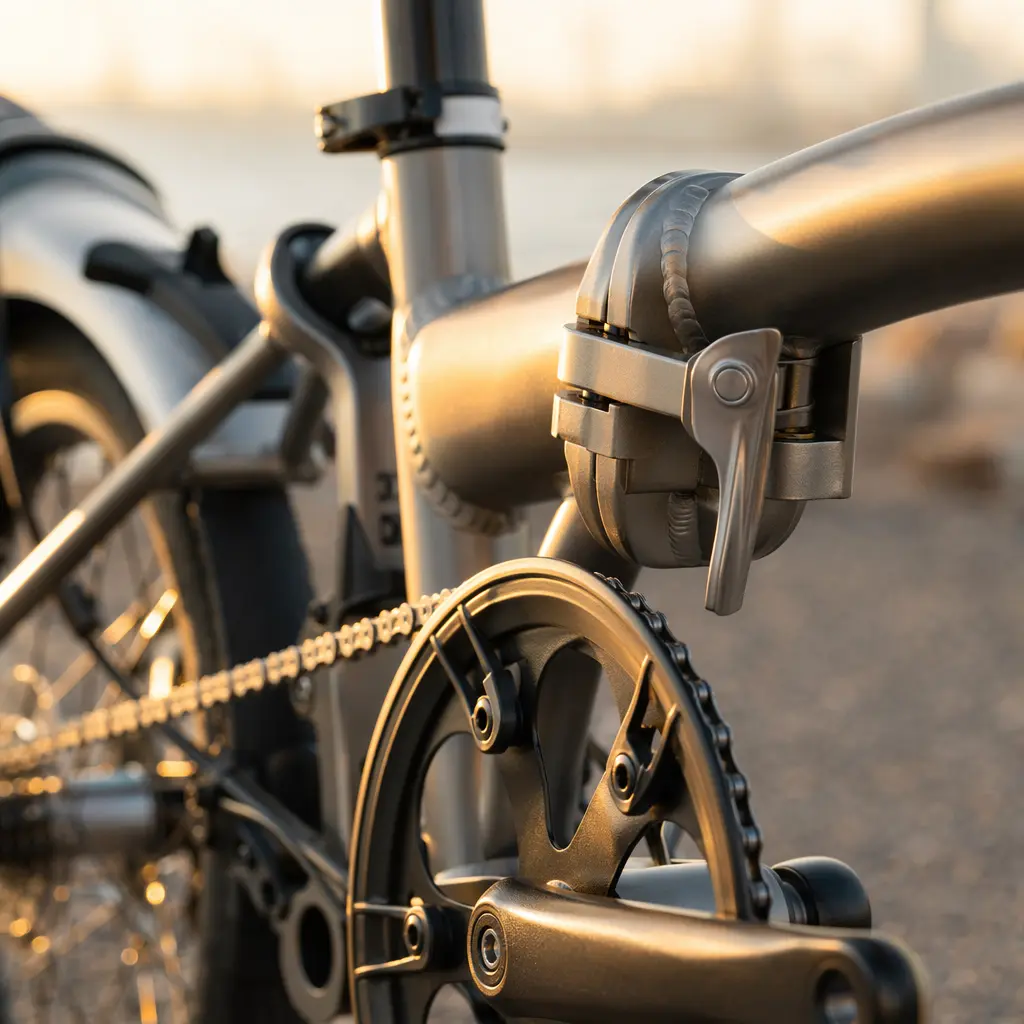
- Weak folding latches that develop play over time
- No mounts for racks or mudguards, limiting all-weather practicality
Worth spending more on
If the budget stretches closer to £500, the most worthwhile improvements are those that reduce hassle rather than add speed. Better tyres with puncture protection can save multiple roadside repairs over a year. A smoother-shifting drivetrain also means less tinkering and fewer skipped gears under pressure.
Comfort upgrades matter too. Saddles and grips are often basic at £250, and replacing them adds cost later. At £500, these contact points are usually a step up, making longer or more frequent rides far more tolerable.
Frequently asked questions
Is a £250 folding bike good enough for commuting?
For short, flat trips a few times a month, yes. For daily commuting, expect more maintenance and quicker wear, especially on drivetrain and wheels.
Does spending £500 make a folding bike lighter?
Usually by a small margin. The bigger benefit is better balance and easier carrying, rather than dramatic weight savings.
Are disc brakes necessary on a folding bike?
Not essential, but they offer more consistent braking in wet UK conditions, which matters for year-round daily use.
Is it better to buy used at this budget?
A lightly used mid-range folding bike can be good value, but check hinges, wheels and drivetrain carefully, as replacements can be costly.
In short, £250 folding bikes suit occasional use, while £500 models better handle the demands of regular riding. For anyone folding and unfolding several times a week, the extra spend usually pays off in reliability and comfort.
Find these on Amazon
As an Amazon Associate, CheapBikes earns from qualifying purchases.