£250 vs £450 folding bikes: what actually improves day to day?
A practical look at what nearly £200 buys you on a folding bike — focusing on usability, comfort and reliability rather than headline weight savings.

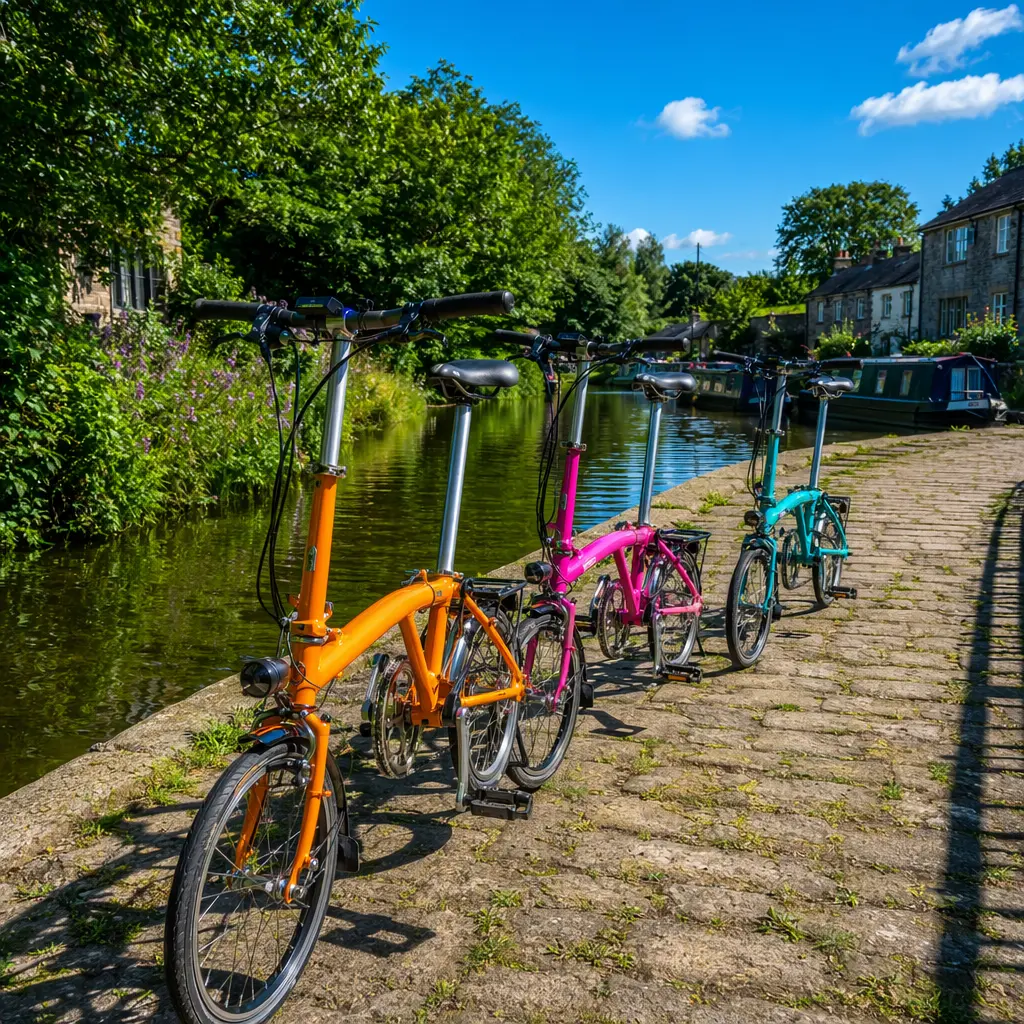
- Frame: both typically use steel or basic aluminium; pricier bikes often have stiffer frames and tighter tolerances
- Gears: £250 bikes usually offer 6–7 speeds; £450 bikes more often reach 8–9 speeds with a wider usable range
- Brakes: entry-level V-brakes at £250; better-quality V-brakes or basic discs at £450
- Wheels and tyres: heavier rims and harsh tyres at £250; stronger wheels and puncture-protected tyres at £450
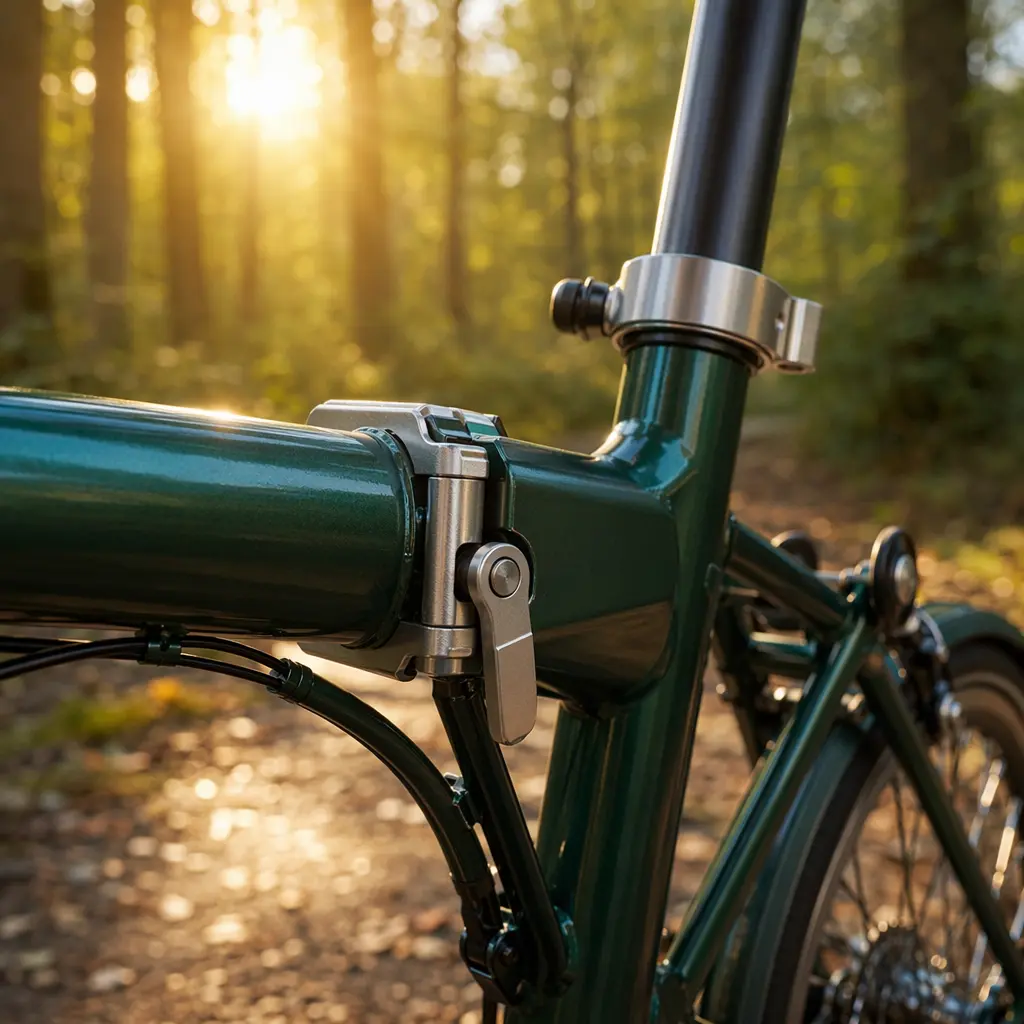
- Folding hardware: simpler clamps vs. smoother, more secure folding mechanisms
- Extras: mudguards and racks may be optional at £250 but are often included or better integrated at £450
- Heavy weight that becomes noticeable when carrying up stairs or onto trains
- Loose or flexy folding joints that creak over time
- Very basic shifters that need frequent adjustment
- Narrow gearing that struggles on hills
- Lack of rack or mudguard mounts limiting year-round use
- Cheap tyres that puncture easily on urban debris
Note
Find these on Amazon
As an Amazon Associate, CheapBikes earns from qualifying purchases.
budget bikes
commuting
buying guide
value
folding bikes