£250 vs £450 BMX bikes: what really helps progression
Is a £450 BMX really better than a £250 one for park riding? This guide explains why frame strength and wheels matter more than flashy parts, and where spending extra actually helps progression.
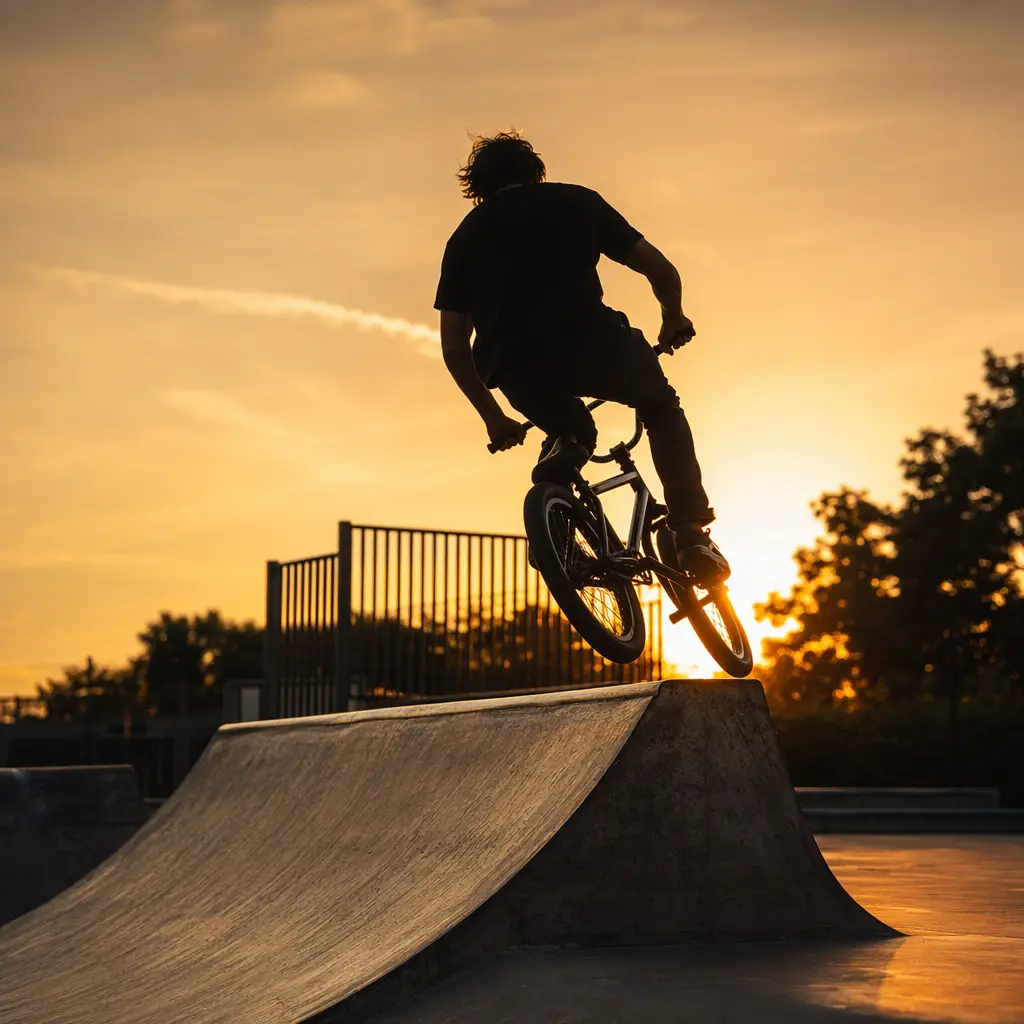
This comparison is for riders choosing between an entry-level £250 BMX and a mid-range £450 option for skateparks and street spots. Both will roll, jump and grind — but only one is likely to hold up as tricks get bigger and landings get messier. The question isn’t about shiny parts; it’s about which bike helps progression rather than holding it back.
What you actually get at this price
At £250, BMX bikes are built to hit a price point. They’re fine for learning basics, but components are chosen for affordability rather than durability. At £450, the upgrades are mostly invisible at first glance — thicker tubing, better wheels, and stronger interfaces — yet these are exactly the parts that affect confidence and longevity.
The jump in price doesn’t usually buy lighter weight or fancy finishes. Instead, it buys parts that bend less, stay tight for longer, and survive repeated impacts at the park.
- Frame: £250 bikes typically use high-tensile steel; £450 bikes often add chromoly to the front triangle or full frame for extra strength
- Forks & bars: straight-gauge steel at £250 vs thicker or chromoly tubing at £450
- Wheels: single-wall rims and loose hubs vs double-wall rims and sealed bearings
- Drivetrain: basic 3-piece or even 1-piece cranks vs stronger 3-piece cranks with better bottom brackets
- Extras: £250 bikes may include pegs or gyro tabs; £450 bikes focus on core strength rather than add-ons
How to choose
For park riding, the bike needs to feel solid when pumping transitions and forgiving on imperfect landings. Geometry is often similar across price points, so fit matters more than numbers. Bar height, top tube length and standover should suit the rider’s height rather than chasing a ‘pro’ look.
If progression is the goal — higher airs, 180s, spins and repeated sessions — durability should trump spec-sheet glamour. A bike that stays straight and tight encourages confidence, while a flexy frame or dented rim quickly becomes distracting.
What to look out for
- Single-wall rims that go out of true after a few hard landings
- Unsealed hubs that develop play or crunching bearings
- High-tensile frames that feel fine at first but fatigue over time
- Cheap pedals and grips that wear quickly and affect control
- Cosmetic extras (pegs, coloured parts) masking weak fundamentals
Worth spending more on
If stretching from £250 towards £450 is possible, the biggest gains come from the frame and wheels. Chromoly tubing resists cracking, while double-wall rims stay true after repeated cases. These upgrades directly affect how long the bike lasts and how confident it feels.
Beyond the bike itself, a few small purchases punch above their weight. Better tyres improve grip on smooth concrete, and a decent helmet and pads reduce the cost of mistakes — an underrated part of progression.
Frequently asked questions
Is a £250 BMX good enough for beginners?
Yes, for learning basic riding, pumping and small hops. The limitation appears once tricks involve harder landings or regular park sessions, where durability becomes an issue.
Will a £450 BMX make tricks easier?
It won’t magically add skill, but it removes distractions. A stiffer frame and stronger wheels feel more predictable, which helps riders commit to tricks with confidence.
Are flashy parts ever worth it?
Only after the basics are solid. Coloured parts and extras are fine later, but they don’t compensate for weak rims or a flexy frame at lower budgets.
What about upgrading a £250 bike over time?
Upgrading wheels and cranks can help, but costs add up quickly. Starting with a stronger £450-level base is often better value in the long run.
In short, £250 BMX bikes get riders rolling, but £450 buys the strength that supports real progression — especially at the park. Focus spending on frames and wheels, then ride hard and upgrade gradually.
Find these on Amazon
As an Amazon Associate, CheapBikes earns from qualifying purchases.