Best folding bikes under £450 for occasional commuters
A practical guide to folding bikes under £450 — where the fold gets quicker without turning fragile. What you actually get, how to choose, common compromises, and smart upgrades for occasional commuting.
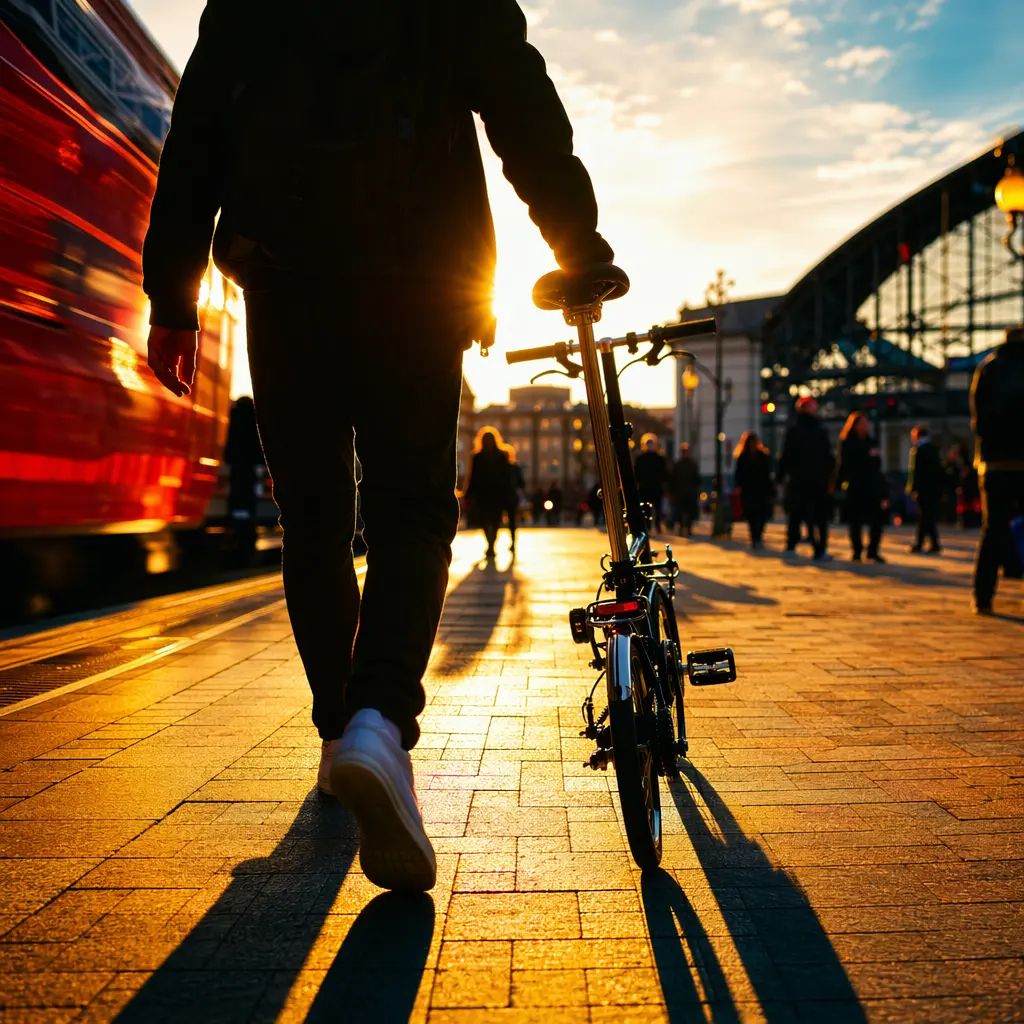
Folding bikes make sense for short commutes that mix cycling with trains, buses or car boots — but only if the fold is quick and the bike feels sturdy. Under £450 is the price point where many folders stop feeling flimsy, without jumping into premium territory. This guide is for occasional commuters: riders doing a few miles at a time, maybe a couple of days a week, who want something easy to live with rather than fast or flashy.
At this budget, you’re shopping for convenience and reliability. Expect sensible components, a manageable carry weight, and a fold that’s good enough to take on and off public transport without fuss. You won’t get the smallest fold or the lightest frame — but you can avoid the worst compromises if you know what to look for.
What you actually get at this price
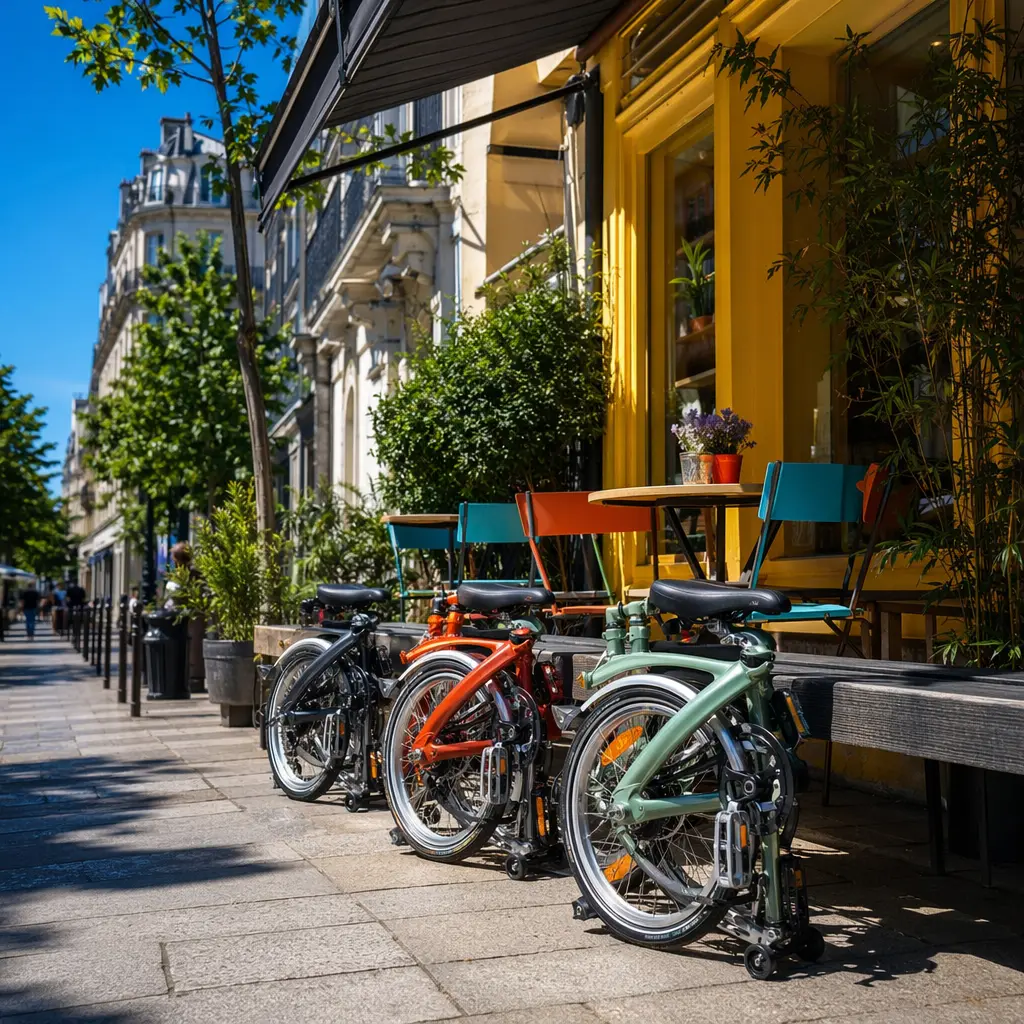
Under £450, folding bikes tend to share a similar recipe. Frames are usually steel or basic aluminium, with 16–20in wheels and a central hinge secured by a chunky latch. The big step up at this price is a more confident folding mechanism — fewer steps, better alignment, and less flex when riding.
Components are chosen for durability rather than performance. Gearing is kept simple, brakes are functional rather than powerful, and finishing kit is sturdy. That’s fine for flat to gently rolling commutes and short urban hops.
- Frame material: steel or entry-level aluminium, prioritising strength over weight
- Gearing: 6–8 speed derailleur setups, or basic hub gears on some models
- Brakes: V-brakes or mechanical disc brakes; hydraulic is rare at this price
- Wheels: 16–20in alloy rims with commuter-focused tyres
- Extras: some bikes include mudguards and a rear rack; lights are usually not included
How to choose
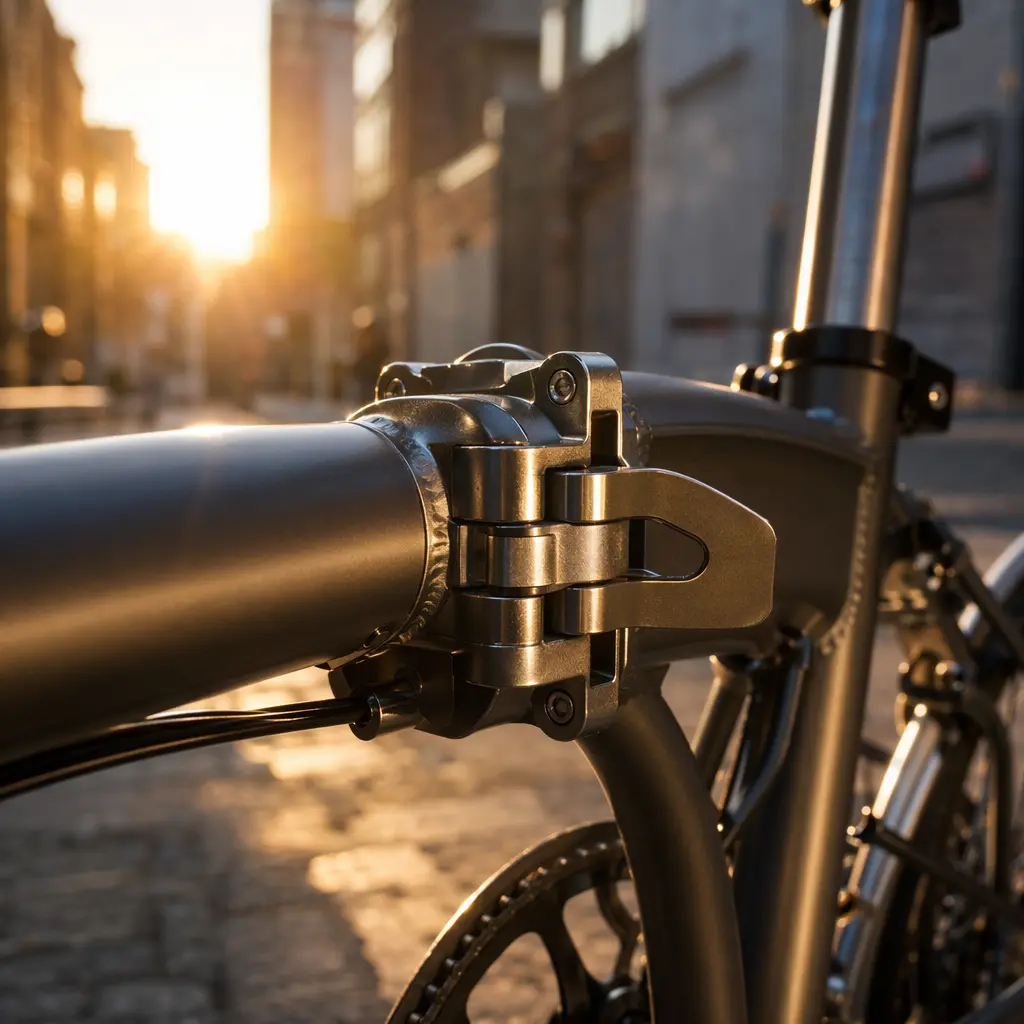
Start with the fold itself. For occasional commuting, you want a fold that’s intuitive and reasonably quick, even if it’s not lightning-fast. Look for clear locking levers and a frame that stays together when folded, so it can be wheeled or carried without flapping open.
Wheel size matters more than many buyers expect. Smaller wheels (16in) make for a more compact fold and easier storage under desks or luggage racks, but they feel twitchier on rough roads. 20in wheels roll more smoothly and inspire confidence, at the cost of a slightly larger folded package. Also consider adjustability: a wide range of saddle and handlebar height helps dial in comfort, especially if more than one person will use the bike.
What to look out for
- Heavy overall weight, especially on steel frames with basic wheels
- Flex at the main hinge or handlepost, which can make steering feel vague
- Limited gear range that struggles on hills or into headwinds
- Weak brakes that need frequent adjustment to stay effective
- Lack of rack or mudguard mounts, limiting everyday practicality
Worth spending more on
A few smart upgrades can make a budget folding bike far more pleasant. Tyres are the big one: higher-quality puncture-resistant tyres roll faster and reduce roadside faff. A comfortable saddle also pays dividends on short, frequent rides, especially if the stock option is narrow or firm.
Security and visibility matter too. Folding bikes are attractive to thieves and often locked in busy areas, so a solid compact lock is a must. Rechargeable lights are another worthwhile spend, as many bikes in this bracket don’t include them and winter commutes demand good visibility.
Frequently asked questions
Are folding bikes under £450 suitable for daily commuting?
They can be, but they’re best for short, relatively flat routes. Daily riders covering longer distances may notice the weight and basic components sooner, but occasional commuters should find them perfectly adequate.
How heavy is too heavy for a folding bike?
Anything much over 13–14kg can feel like a chore to carry up stairs or onto trains. At this price, lighter bikes exist, but they usually cost more or compromise on stiffness.
Do I need gears on a folding bike?
For most UK towns and cities, yes. Single-speed folders are fine on dead-flat routes, but even modest gearing makes starts at traffic lights and gentle hills far more manageable.
Is buying used a good idea?
It can be, especially if you’re chasing a lighter or better-known design. Check the hinge carefully for play or cracks, and make sure replacement parts like tyres and brake pads are standard sizes.
In short, folding bikes under £450 can be a sensible buy for occasional commuting if you prioritise a solid fold and everyday practicality. Choose carefully, accept the compromises, and you’ll have a bike that fits neatly into busy urban life.
Find these on Amazon
As an Amazon Associate, CheapBikes earns from qualifying purchases.