What You Give Up Buying a £250 Bike vs £450
A practical look at what changes between a £250 and £450 everyday bike, from comfort and braking to long-term durability, maintenance and commuting reliability.
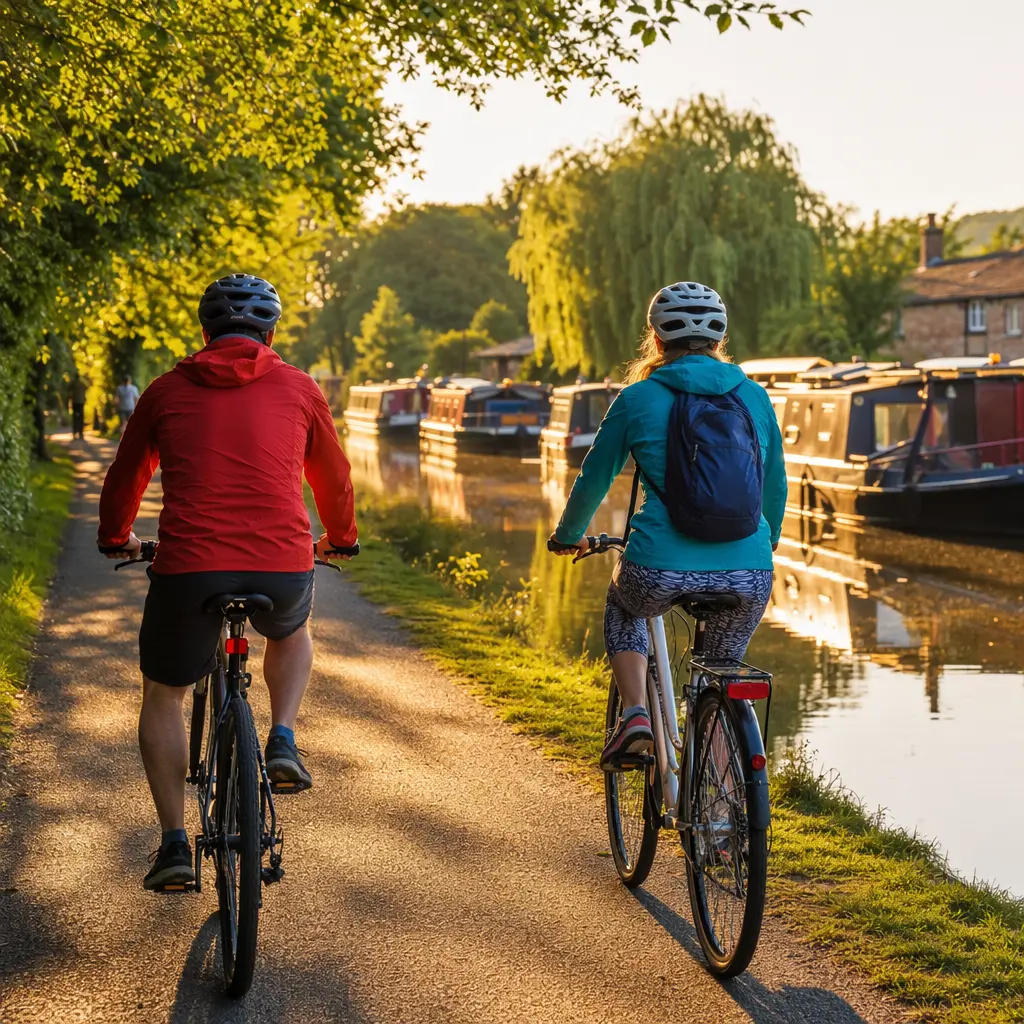
The jump from around £250 to £450 is where everyday bikes start feeling less like occasional transport and more like something people genuinely enjoy riding. At £250, most hybrid and commuter bikes are built to hit a price target above all else. They can still work for short rides, local errands and flatter commutes, but compromises in weight, braking, comfort and long-term durability become much more noticeable if the bike is used regularly. By £450, the extra money usually goes into better components, stronger wheels and a more reliable ride rather than dramatic speed gains.
What you actually get at this price
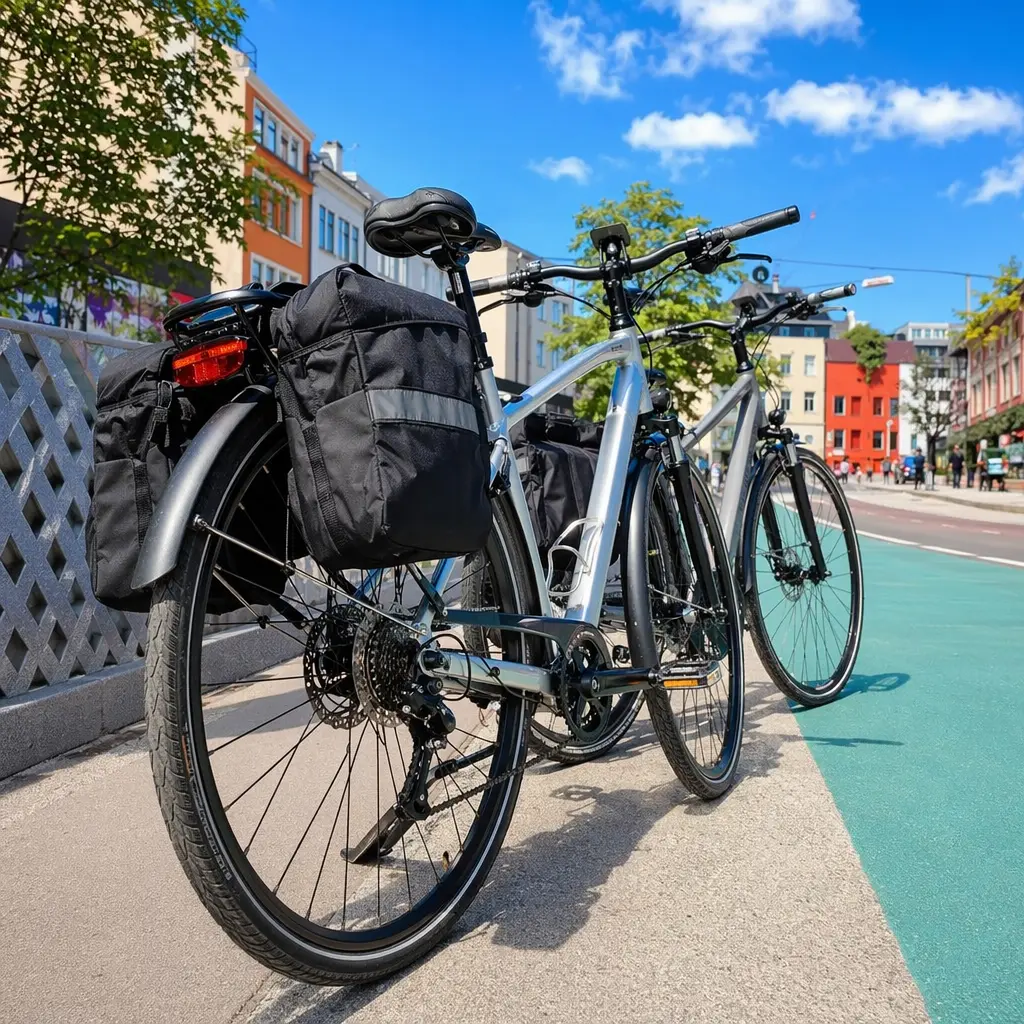
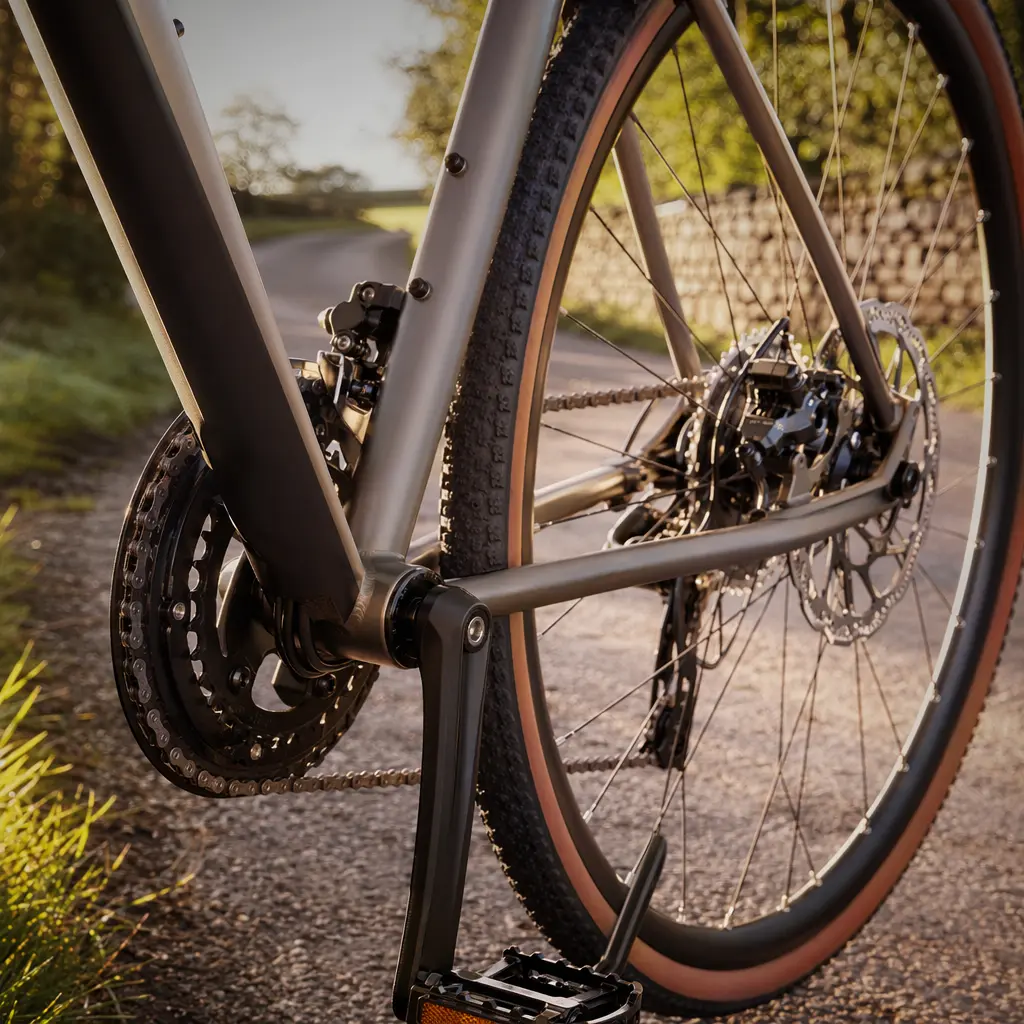
Around the £250 mark, most bikes use heavy hi-tensile steel forks or basic aluminium frames paired with entry-level drivetrain parts. Gearing is usually wide enough for gentle hills, but shifting can feel vague under load and cheaper components often wear more quickly if the bike is ridden daily in wet UK conditions. Mechanical disc brakes at this price are common, though many are chosen for appearance rather than performance and may offer less stopping power than a decent set of rim brakes.
Closer to £450, everyday hybrids typically gain lighter aluminium frames, better wheelsets, smoother shifters and stronger hydraulic or improved mechanical disc brakes. The ride quality also improves. Tyres tend to roll faster while still absorbing rough roads, and finishing kit like saddles, grips and pedals is often noticeably more comfortable on longer commutes. Reliability matters too: better bearings, more consistent assembly and stronger wheels usually mean fewer workshop visits after a few months of regular riding.
- £250 bikes often use basic 6- or 7-speed drivetrains with heavier components
- £450 bikes commonly move to smoother 8- or 9-speed gearing with better durability
- Cheaper bikes may include basic suspension forks that add weight without improving comfort much
- Mid-budget hybrids usually prioritise lighter rigid forks and wider tyres instead
- Hydraulic disc brakes become more common around £450 and perform better in wet weather
- Mudguard and pannier rack mounts are more consistently included on commuter-focused bikes above £400
- Wheel strength and spoke quality are usually improved at the higher price point
How to choose
The right choice depends less on fitness level and more on how often the bike will actually be used. For occasional weekend rides, short trips to the shops or very light commuting, a £250 bike can still make sense if expectations stay realistic. Keeping the bike clean, dry and serviced matters more at this level because lower-cost drivetrains and bearings wear faster when neglected.
For riders planning to commute several times a week, carry panniers or tackle rough roads and hills regularly, the £450 category is usually the better long-term value. The geometry tends to feel more stable and predictable, especially on longer rides, and the reduction in weight can make everyday cycling noticeably easier. Fit also becomes more important as riding distances increase. A properly sized frame with sensible handlebar height often improves comfort more than expensive upgrades later on.
What to look out for
- Very heavy suspension forks on budget hybrids can make climbing and acceleration sluggish
- Cheap mechanical disc brakes may need frequent adjustment to avoid rubbing
- Single-wall rims and low spoke counts can struggle with potholes and kerbs
- Basic saddles and grips may become uncomfortable on rides longer than 30 minutes
- Some lower-cost frames lack proper rack or mudguard mounts for commuting
- Threaded freewheels on cheaper bikes can wear faster and limit upgrade options
- Assembly quality varies widely on boxed direct-to-door bikes at lower prices
Worth spending more on
Even on a tighter budget, a few upgrades make a bigger difference than chasing extra gears or cosmetic features. Tyres are one of the most effective improvements for everyday riding. Better puncture protection and slightly wider tyres can transform comfort and reliability on rough roads without adding much cost. A quality set of mudguards also makes year-round commuting far more practical in the UK.
Security is another area where spending carefully matters. A strong lock often costs a meaningful percentage of a cheaper bike’s value, but replacing a stolen bike is far more expensive. Contact points are also worth attention. A supportive saddle, ergonomic grips and a correctly fitted helmet improve daily comfort more than many drivetrain upgrades. Riders planning regular commuting may also benefit from basic rechargeable lights and a rear pannier rack instead of carrying a backpack.
Frequently asked questions
Is a £250 bike good enough for commuting?
For shorter and flatter commutes, yes. A £250 bike can handle everyday transport if it is maintained properly and ridden within its limits. Problems usually appear when mileage increases or the bike is exposed to poor weather every day.
Why are cheaper bikes usually heavier?
Lower-cost bikes often use heavier steel components, simpler wheelsets and budget suspension forks to reduce manufacturing costs. Extra weight is not always a safety issue, but it can make climbing hills and carrying the bike less enjoyable.
Do more expensive bikes last longer?
Generally, yes. Better-quality bearings, drivetrains and wheels tend to survive wet roads and regular riding with fewer problems. The difference is often more about reliability and maintenance costs than outright lifespan of the frame itself.
Should beginners avoid very cheap bikes?
Not necessarily, but extremely low-cost bikes can create frustration if brakes, gears and wheels need constant adjustment. Riders who expect to cycle regularly often end up replacing a very cheap bike sooner than expected.
For occasional use, a £250 bike can still do the job, but riders planning regular commuting or longer everyday journeys will usually notice the comfort, durability and reliability gains that come with spending closer to £450.
Find these on Amazon
As an Amazon Associate, CheapBikes earns from qualifying purchases.