£200 vs £450 commuter bikes: is the upgrade worth it?
A clear-eyed comparison of £200 and £450 commuter bikes, covering comfort, reliability and real running costs to help UK riders decide if paying more makes sense for daily journeys.
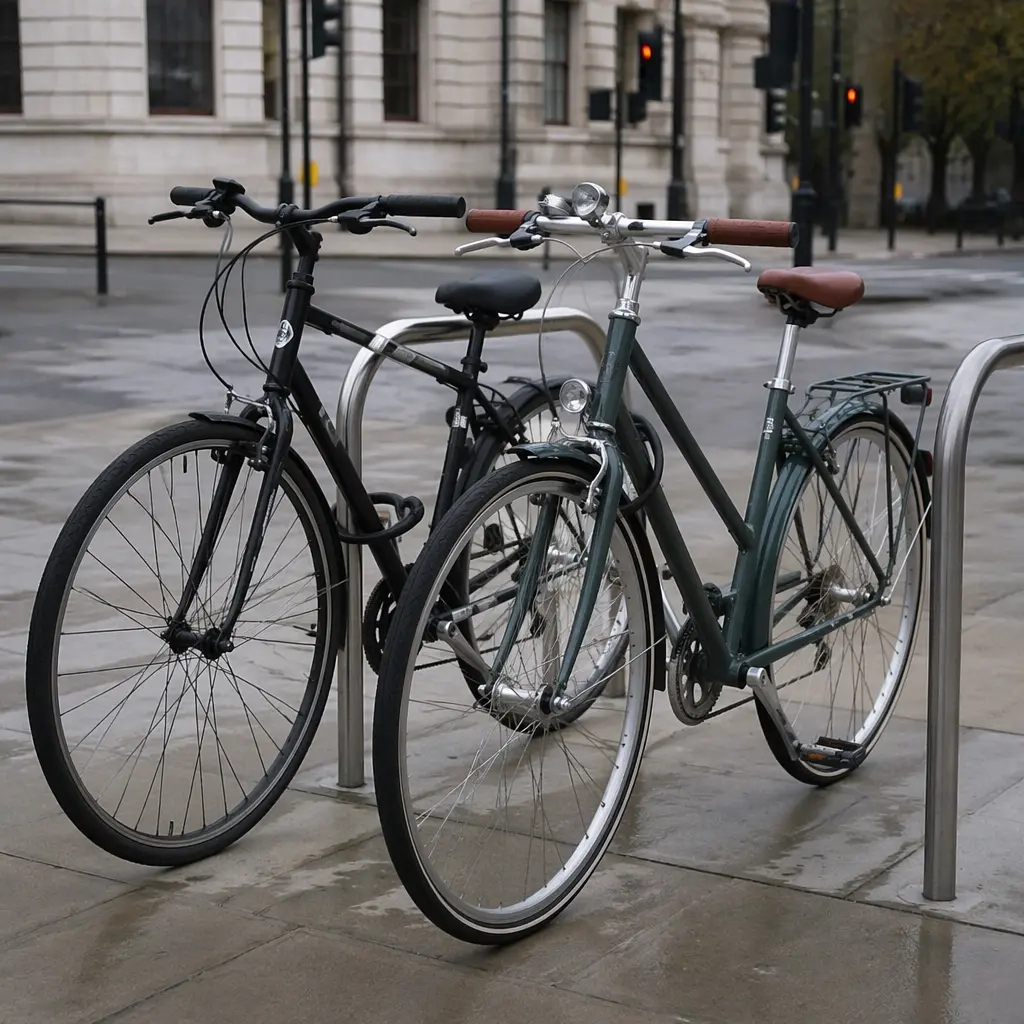
This comparison is for riders looking at the sharp end of the commuter market: the £200 bargain bike versus the £450 step-up option. Both promise to get you to work without fuss, but the gap in comfort, reliability and long-term costs can be wider than the price suggests. The question is whether spending more now actually saves money — and hassle — over daily rides.
What you actually get at this price
At around £200, commuter bikes are built to hit a headline price. Frames are usually steel or basic aluminium, components come from the very bottom of the range, and assembly quality can vary. They will roll, shift and stop — but rarely with much finesse.
At £450, you are still shopping on a budget, but compromises are fewer. Materials improve, parts are more consistent, and bikes tend to be designed with daily riding in mind rather than occasional use.
- Groupset tier: £200 bikes use entry-level or unbranded shifters and derailleurs; £450 bikes usually step up to branded, serviceable entry-level groupsets.
- Brakes: £200 often means basic rim brakes or low-cost mechanical discs; £450 brings stronger rim brakes or better-quality mechanical discs with more consistent stopping.
- Frame material: hi-tensile steel or basic aluminium at £200; lighter aluminium frames with neater welds at £450.
- Gearing range: narrow and sometimes poorly spaced at £200; wider, more usable gearing at £450, especially for hills.
- Included extras: £200 bikes may include mudguards or a rack as a selling point; £450 bikes more often have proper mounts for guards, panniers and lights.
How to choose
Fit and riding position matter more than brand names at this level. Many £200 bikes come in a single frame size, which can be a deal-breaker for taller or shorter riders. £450 options are more likely to offer multiple sizes and a more balanced, commuter-friendly geometry.
Think honestly about use. Short, flat rides a few times a week put less stress on components than a daily, hilly commute in all weathers. If the bike will live outside and rack up miles year-round, durability and ease of maintenance should outweigh headline features.
What to look out for
- Very heavy wheels and tyres that make stop-start city riding tiring.
- Basic shifters that feel vague and go out of adjustment quickly.
- Limited or missing rack and mudguard mounts despite being sold as a commuter.
- Soft bolts and fasteners that can round off during routine maintenance.
- Poor quality control, leading to uneven braking or noisy drivetrains.
Worth spending more on
If the bike itself is fixed at £200, small upgrades can make daily riding more pleasant. Tyres are the biggest win: puncture-resistant commuter tyres roll better and reduce roadside repairs. A decent saddle suited to your riding position can also transform comfort.
For £450 bikes, it is often better to ride them stock and put money towards security. A solid D-lock and cable combo, plus good lights, protect the investment and make the bike usable year-round.
Frequently asked questions
Is a £200 bike false economy?
Not always. For short, occasional commutes on flat routes, a £200 bike can do the job. Problems arise when it is used hard every day, where maintenance and replacement parts can quickly eat into the savings.
Does £450 guarantee reliability?
No bike is maintenance-free, but £450 commuters generally use parts that last longer and are easier to service. That usually means fewer breakdowns and lower running costs over time.
What about buying used instead?
A well-looked-after used bike around £300–£400 can outperform a new £200 option. The risk is hidden wear, so buying from a reputable shop or seller is key.
Which is better for rough roads and kerbs?
Neither is built for abuse, but £450 bikes usually cope better thanks to stronger wheels and frames. Regardless of price, avoiding dropped kerbs will extend a bike’s life.
In short, £200 gets you moving, while £450 buys comfort, consistency and lower stress over time — making the upgrade worthwhile for most daily commuters.
Find these on Amazon
As an Amazon Associate, CheapBikes earns from qualifying purchases.