Whyte T-130: The UK trail bike that pushed modern geometry mainstream
Whyte’s T-130 blended short-travel efficiency with long, confident geometry, helping reshape what UK trail riders expected from an all-round mountain bike.
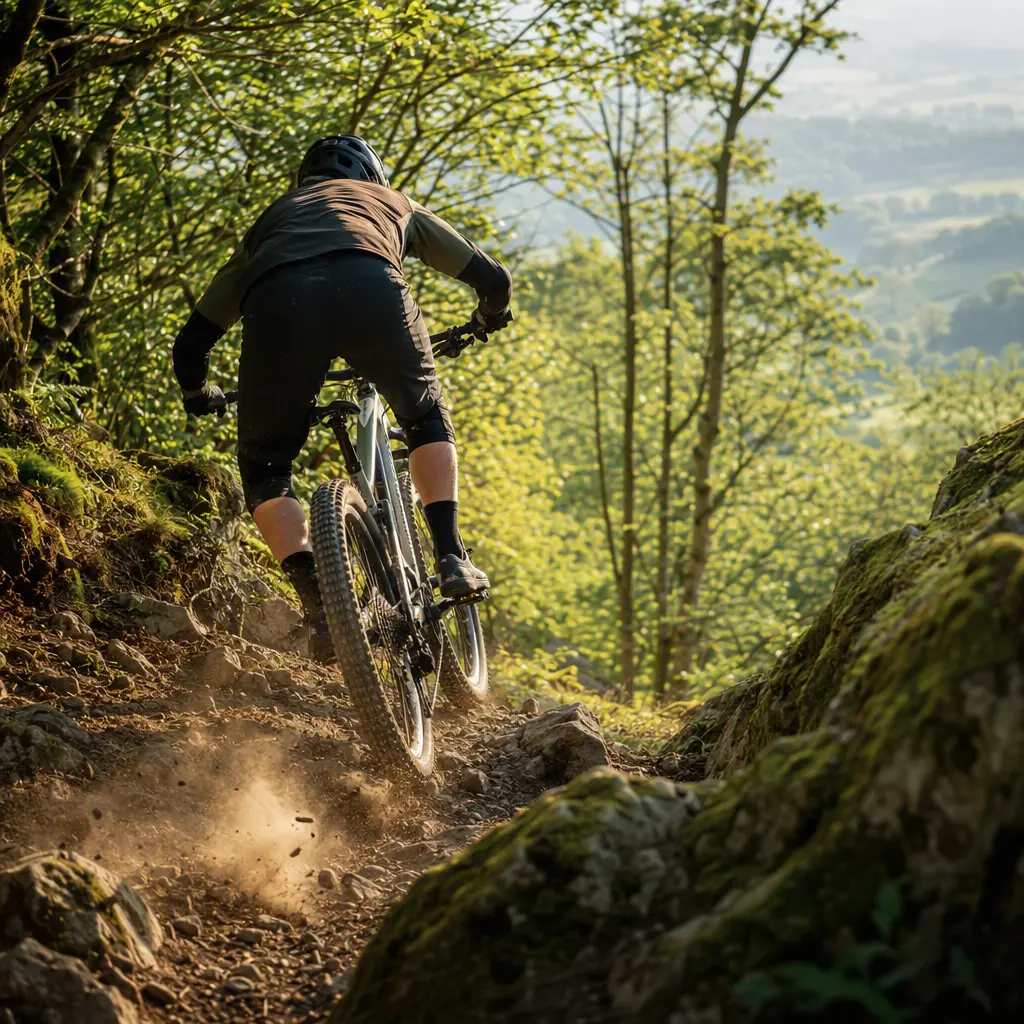
The Whyte T-130 arrived at a point when British mountain biking was shifting away from nervous, steep-handling trail bikes and towards longer, more confidence-inspiring machines. Introduced in 2015, it quickly became one of the defining UK trail bikes of the decade: a 130mm full-suspension bike that climbed efficiently enough for all-day riding but felt far more capable downhill than its travel numbers suggested. In a market crowded with versatile trail bikes, the T-130 stood out because it was designed around real British conditions — wet roots, awkward climbs, tight woodland turns and rough descents that reward stability over twitchy handling.
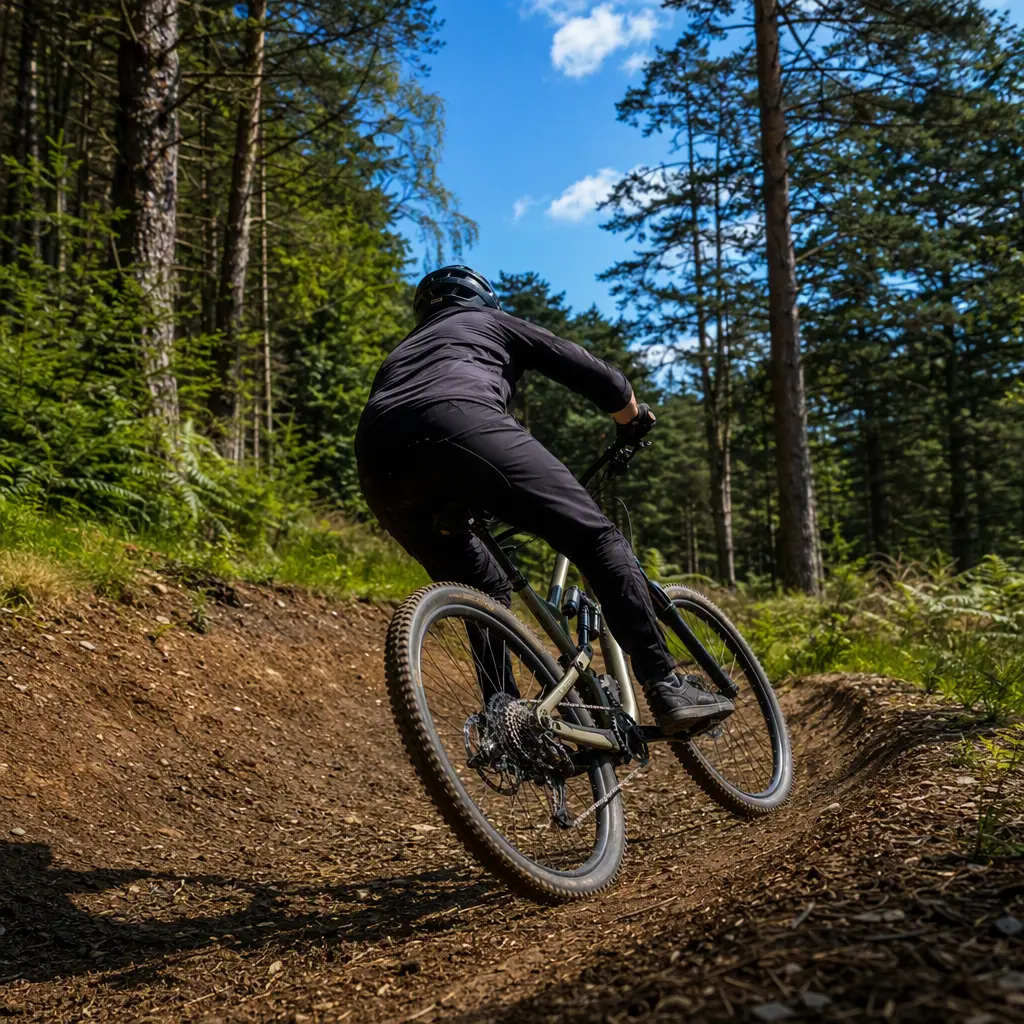
Where it came from
Whyte had already built a reputation in the UK for geometry-led mountain bikes before the T-130 appeared, but this was the model that really pushed those ideas into the mainstream trail category. The Sussex-based brand focused heavily on fit, wheelbase length and steering stability at a time when many rivals still used shorter reaches and steeper head angles. The T-130 took lessons from longer-travel enduro bikes and applied them to a shorter-travel package aimed at everyday riders.
Its timing mattered. Mid-2010s trail centres and natural riding spots were becoming rougher and faster, while riders increasingly wanted one bike capable of trail loops, uplift days and technical descents without the weight or sluggish feel of a big enduro machine. The T-130 landed neatly in that gap. Sold through UK bike shops in several trim levels, it gained a strong following among riders who wanted modern handling without stepping into the expense or bulk of longer-travel bikes. Even years later, older examples remain common sights on British trails and second-hand listings.
Why it works
What made the T-130 feel different was not just suspension travel, but the way the whole bike was balanced. Whyte gave it a relatively long front end, roomy reach and slack head angle compared with many rivals of the era. Combined with short stems and wide bars, the result was a bike that felt planted on steep descents while still remaining agile enough for tighter woodland riding. Riders often describe the T-130 as a bike that encouraged confidence rather than demanding constant precision.
The suspension layout also played a major role. With around 130mm of rear travel paired to a 130mm or slightly longer fork depending on trim and generation, the bike delivered enough support for pedalling while still smoothing out roots, rock gardens and trail-centre chatter. Whyte’s UK focus showed in practical details too, including generous tyre clearance and frame designs intended to cope with muddy conditions better than some lightweight race-oriented alternatives.
- Long, stable geometry that helped popularise modern trail-bike handling
- 130mm suspension travel suited to mixed UK riding conditions
- Wide bars and short stems for confident steering control
- Room for grippy, high-volume tyres and aggressive trail setups
- Efficient enough for long rides without feeling like an XC race bike
- Balanced handling that worked well on both trail centres and natural terrain
Who it's for
The T-130 suits riders who want a genuine do-it-all mountain bike with a strong downhill bias but without the weight and effort of a full enduro setup. It works particularly well for UK trail-centre riding, technical woodland loops and natural descents where grip and stability matter more than outright speed. Riders moving up from a hardtail often found it forgiving and confidence-building, while experienced mountain bikers appreciated how capable it remained on rough terrain. On the used market, older aluminium models often sit roughly in the £900-1,800 range depending on condition and components, while newer or higher-spec carbon versions can still command significantly more.
Variants and what to look for today
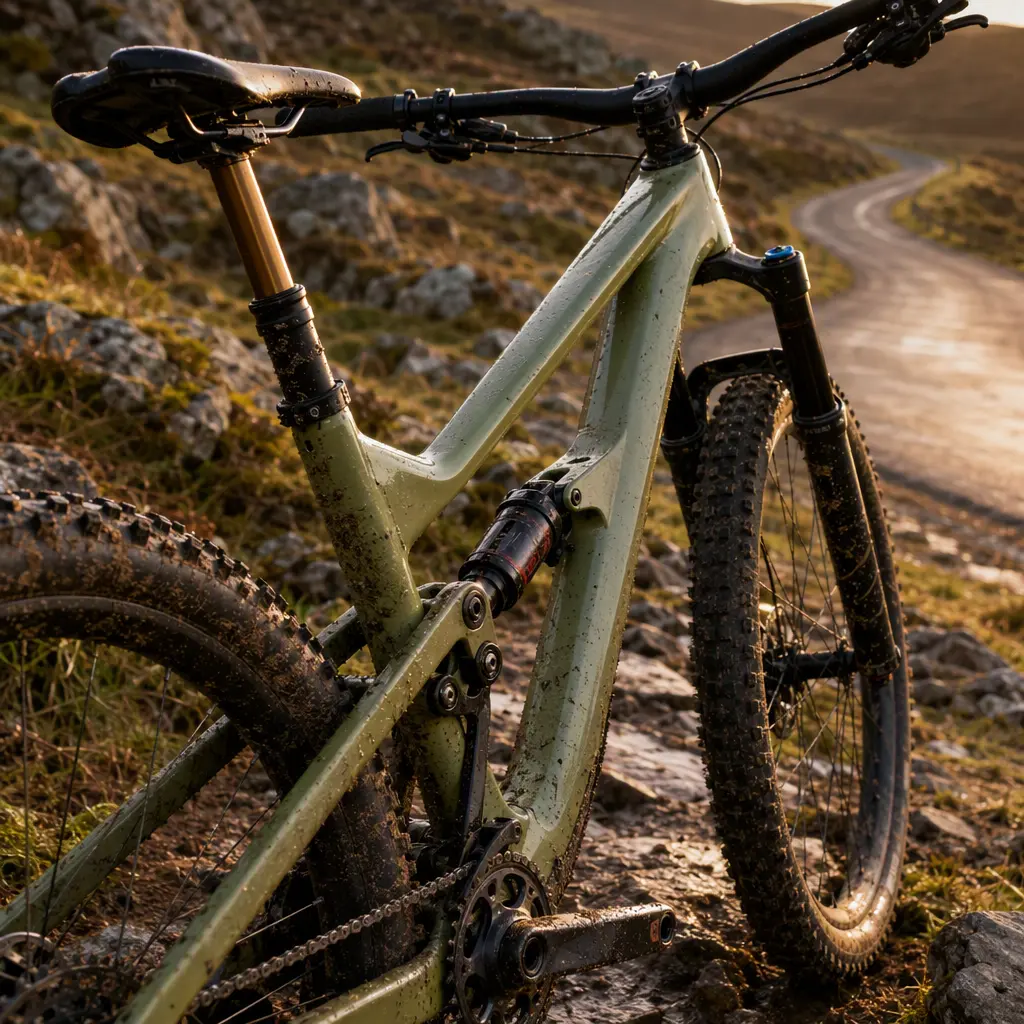
Over the years, the T-130 family appeared in several trim levels ranging from more affordable aluminium builds to lighter, higher-spec carbon versions. Entry-level models typically used dependable but heavier suspension and drivetrain parts, while mid-range and top-end builds gained lighter wheelsets, upgraded forks and stronger braking systems. Geometry evolved gradually too, with later bikes becoming even longer and slacker as the industry moved further towards aggressive trail handling.
When buying second-hand, frame condition matters more than cosmetic wear. Check suspension pivots carefully for play or creaking, especially on bikes that have seen frequent wet-weather riding. Rear shocks and forks should cycle smoothly without oil leaks, and neglected suspension servicing can quickly become expensive. Many T-130s were ridden hard because of their capability, so inspect wheels for dents and drivetrain parts for excessive wear. The upside is that most bikes used standard components, making upgrades and replacements relatively straightforward.
- Entry trims usually prioritise durability and value over low weight
- Mid-range versions often offer the best balance of specification and price
- Higher-spec builds may include carbon frames and lighter wheelsets
- Check pivot bearings, shock hardware and suspension service history
- Inspect dropper posts carefully as older units can become sticky or slow
Frequently asked questions
Is the Whyte T-130 good for climbing?
Yes, particularly compared with longer-travel enduro bikes. It is not an ultra-light XC machine, but the pedalling position and supportive suspension make it efficient enough for long trail rides and repeated climbs.
Can the T-130 handle bike-park riding?
Within reason, yes. Many riders used the T-130 for occasional uplift and bike-park days because the geometry feels stable and composed on descents. Frequent big jumps and heavy downhill use may suit a longer-travel bike better.
Are older T-130 models still worth buying?
Older examples can still feel surprisingly modern thanks to the progressive geometry. A well-maintained bike with healthy suspension and bearings remains a capable UK trail machine today.
What tyre setup works best on a T-130?
Most riders favour fairly aggressive tubeless trail tyres with strong sidewalls, especially for wet UK conditions. The frame was designed around modern wider tyres rather than narrow XC rubber.
The Whyte T-130 earned its reputation by combining practicality, modern geometry and genuine all-round trail ability at a time when the category was rapidly evolving. It helped normalise the idea that shorter-travel bikes could still be confidence-inspiring and aggressive when the geometry was right. For UK riders wanting one mountain bike that can cover a broad mix of terrain without feeling overly specialised, the T-130 remains one of the standout names of the modern trail era.
Find these on Amazon
As an Amazon Associate, CheapBikes earns from qualifying purchases.