Mountain bikes under £400: a beginner’s setup guide
Buying a mountain bike under £400? This UK-focused guide explains suspension limits, tyre choices and geometry that matter on real trails, plus what to expect at this budget and how to set it up sensibly.
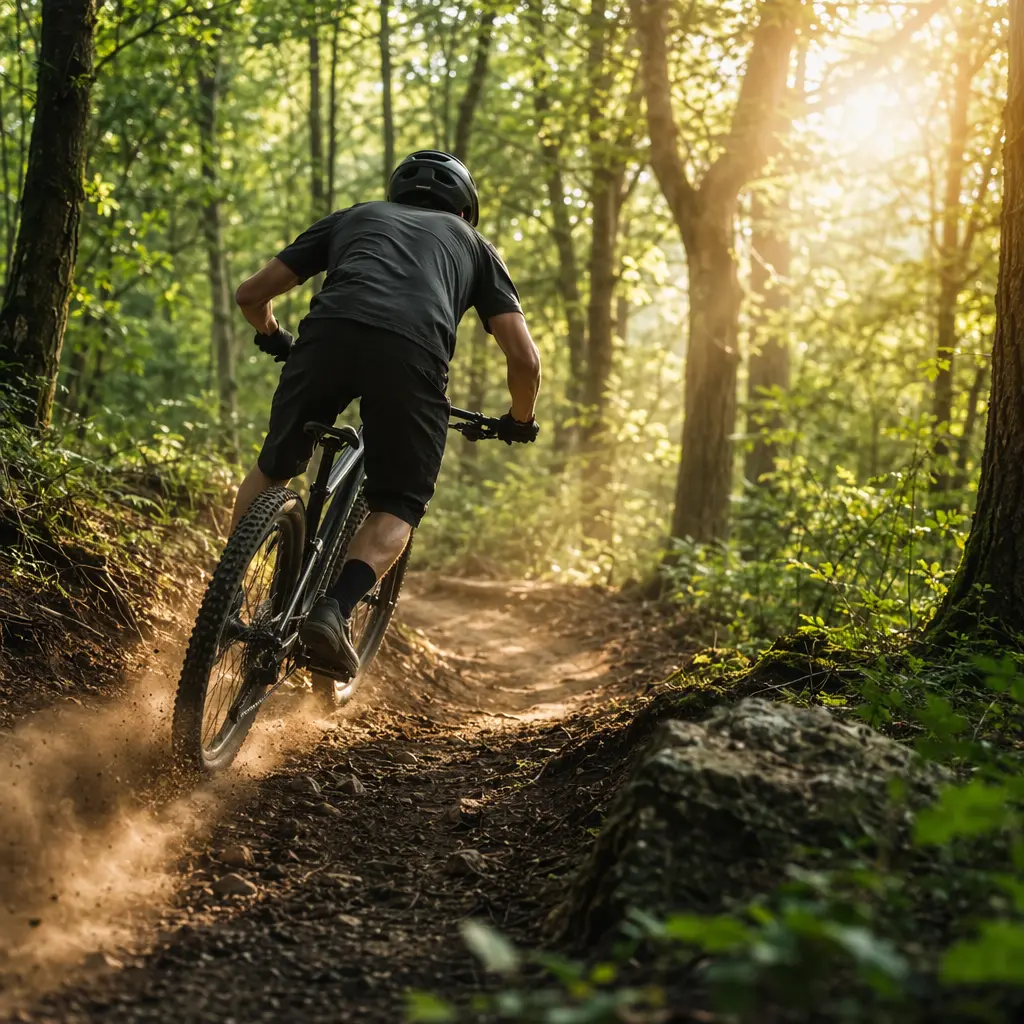
Mountain biking on a £300–£400 budget is about choosing the right compromises. At this price you can get a capable beginner bike for UK trails, bridleways and trail centres, but only if you understand what matters most — and what doesn’t. This guide focuses on suspension limits, tyre choice and geometry, helping new riders avoid common pitfalls and get a setup that actually works off-road.
What to look for
At under £400, every component choice has consequences. Focus on fundamentals that affect control and reliability rather than flashy features that add cost without real trail benefit.
- Gearing: Look for wide-range gears with a low climbing gear. Triple chainsets or wide-range cassettes are common at this price and fine for beginners tackling steep UK climbs.
- Frame material: Aluminium frames dominate this budget and are usually the best choice — lighter and more corrosion-resistant than cheap steel.
- Brake type: Mechanical disc brakes are common. They offer better wet-weather performance than rim brakes but need occasional adjustment.
- Suspension: Expect basic front suspension only. Around 80–100mm travel is typical; more than that often means heavier, poorer-quality forks.
- Geometry: A relaxed, stable feel matters more than aggressive race angles. Look for a slightly slacker head angle and a longer wheelbase for confidence.
- Fit: Correct frame size is critical. A well-sized budget bike rides better than an expensive bike that doesn’t fit.
- Weight: Sub-15kg is realistic. Heavier bikes aren’t a deal-breaker, but lighter helps on climbs and when learning handling skills.
- Included accessories: Some bikes include basic pedals; most don’t include mudguards or bottle cages, which can be added later.
Budget and what you're getting
Under £400, you’re firmly in entry-level territory. Frames are generally sound, but components are built to hit a price point rather than last forever. Suspension forks may lack damping sophistication, drivetrains will be heavier, and wheels may need occasional truing. The upside is that modern manufacturing means today’s budget bikes are far more capable than older mid-range bikes — as long as expectations are realistic.
Standout categories or types
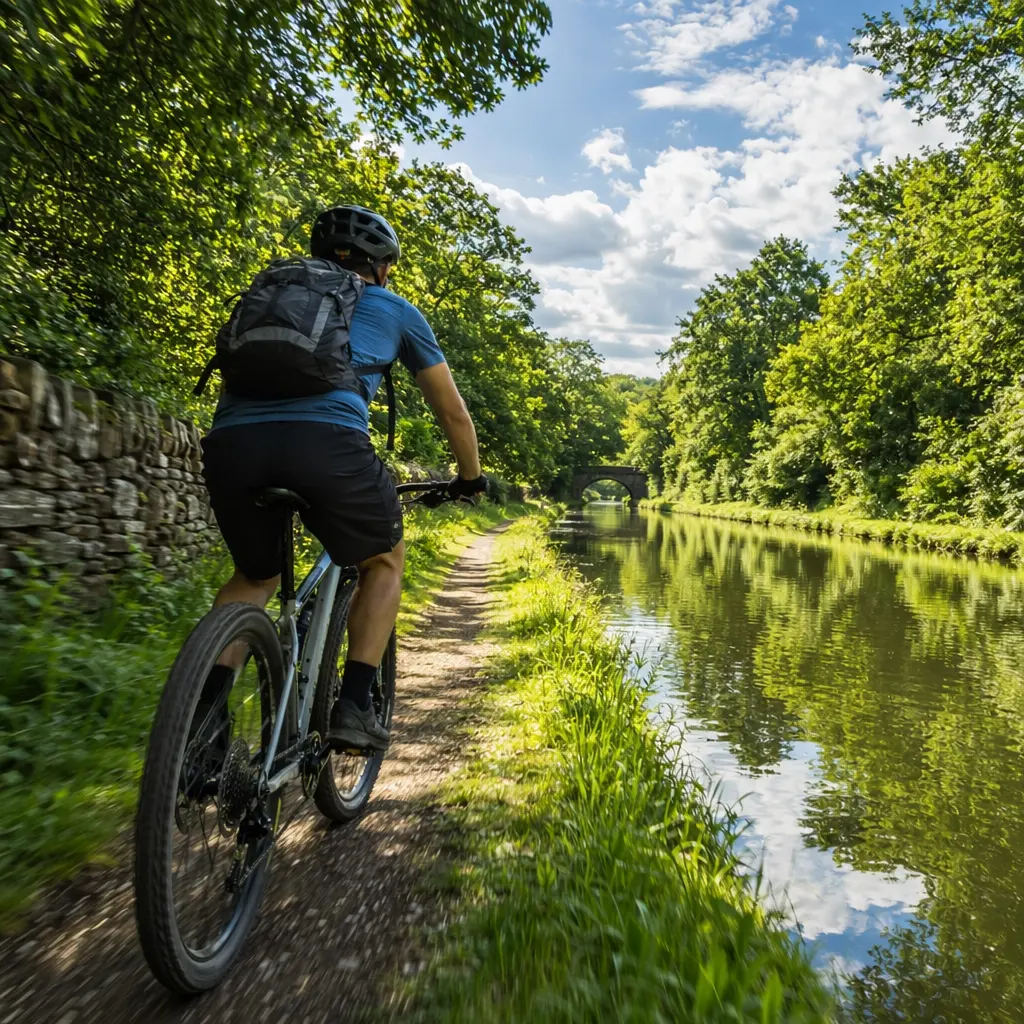
Most mountain bikes under £400 fall into one clear category: hardtails. Within that, a few distinctions are worth understanding before you buy.
- Rigid vs front suspension: Avoid fully rigid bikes unless riding very smooth paths. A basic suspension fork improves comfort and control on roots and rocks.
- Coil-sprung forks: Common at this price and acceptable for beginners, though heavier and less adjustable than air forks.
- Wheel size: 27.5in wheels are common and manoeuvrable; 29in wheels roll better over bumps but can feel large for shorter riders.
- Trail vs leisure geometry: Some bikes lean more towards off-road trails, others towards mixed-use paths. Trail-focused geometry offers more confidence downhill.
Frequently asked questions
Is suspension really necessary on a beginner mountain bike?
For UK trails, yes — but only front suspension. A basic fork helps absorb roots, rocks and braking bumps, improving control and reducing fatigue. Rear suspension at this price usually adds weight without real performance benefit.
What tyres should I look for?
Tyres matter more than most components. Look for widths around 2.2–2.4 inches with an all-round tread pattern. Avoid very narrow or slick tyres, which struggle on wet UK soil and loose gravel.
Are mechanical disc brakes good enough?
Yes, for beginners. Mechanical discs offer reliable stopping power in the wet and are easier to maintain at home. They won’t feel as powerful as hydraulics but are perfectly usable on trail centre routes.
Can I upgrade later?
Most entry-level frames allow gradual upgrades like better tyres, grips or pedals. Major upgrades (forks, drivetrains) often cost more than the bike is worth, so plan small, practical improvements.
Is a used bike a better option?
Sometimes. A well-maintained used bike can offer better components for the money, but beginners should be cautious about hidden wear or damage. If buying used, inspect carefully or buy from a reputable refurbisher.
A mountain bike under £400 won’t turn rough trails into smooth ones, but it can open the door to off-road riding across the UK. Prioritise fit, sensible geometry and good tyres, and you’ll have a bike that builds skills rather than holding them back.
Find these on Amazon
As an Amazon Associate, CheapBikes earns from qualifying purchases.