Best mountain bikes under £400 for UK paths and parks
A plain‑English guide to what sub‑£400 mountain bikes can realistically handle on UK paths and parks, what to prioritise, and where compromises are likely at this price.
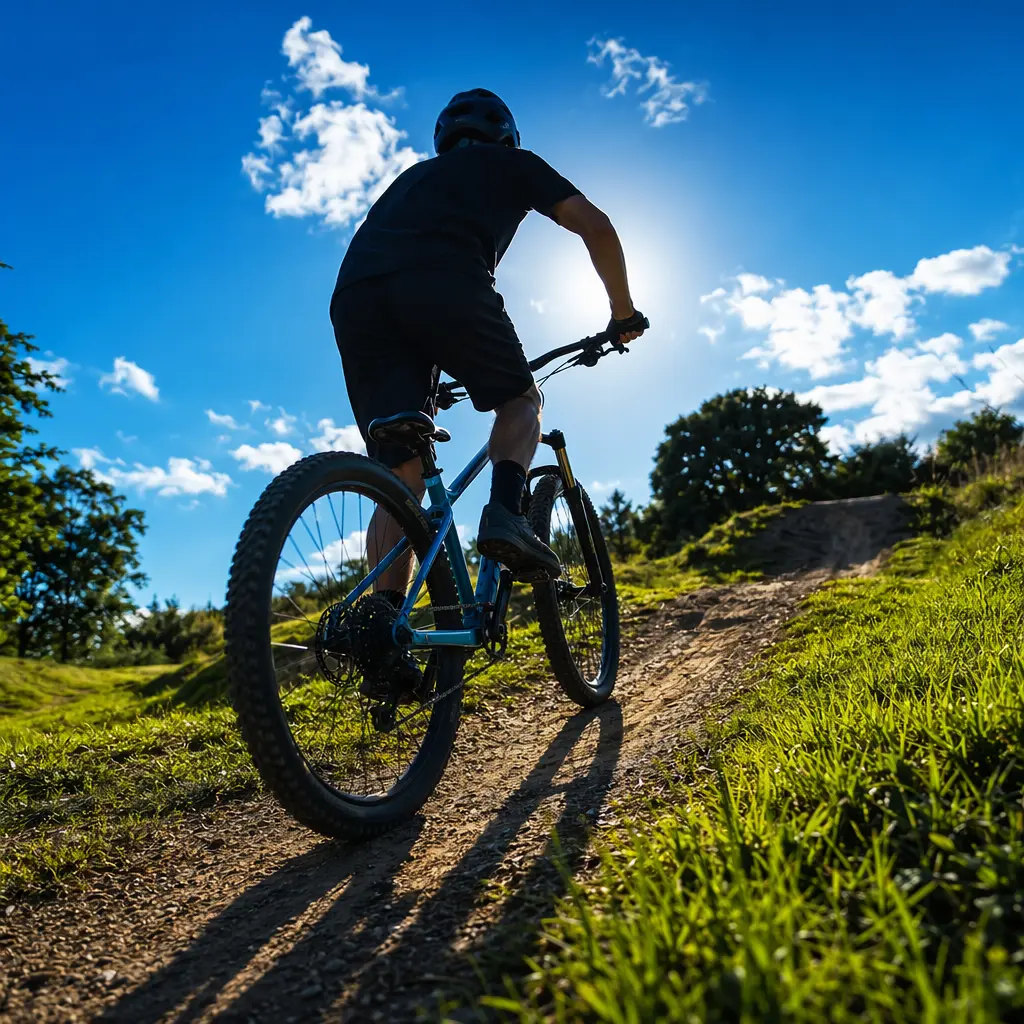
Shopping for a mountain bike under £400 can be confusing. The bikes look tough, the tyres look chunky, and the marketing promises “off‑road capability”. In reality, this budget is best suited to UK park trails, canal towpaths, woodland paths and light gravel — not aggressive downhill tracks or rocky mountain descents. This guide explains what these bikes can realistically do, what matters most when buying, and where you should expect compromises.
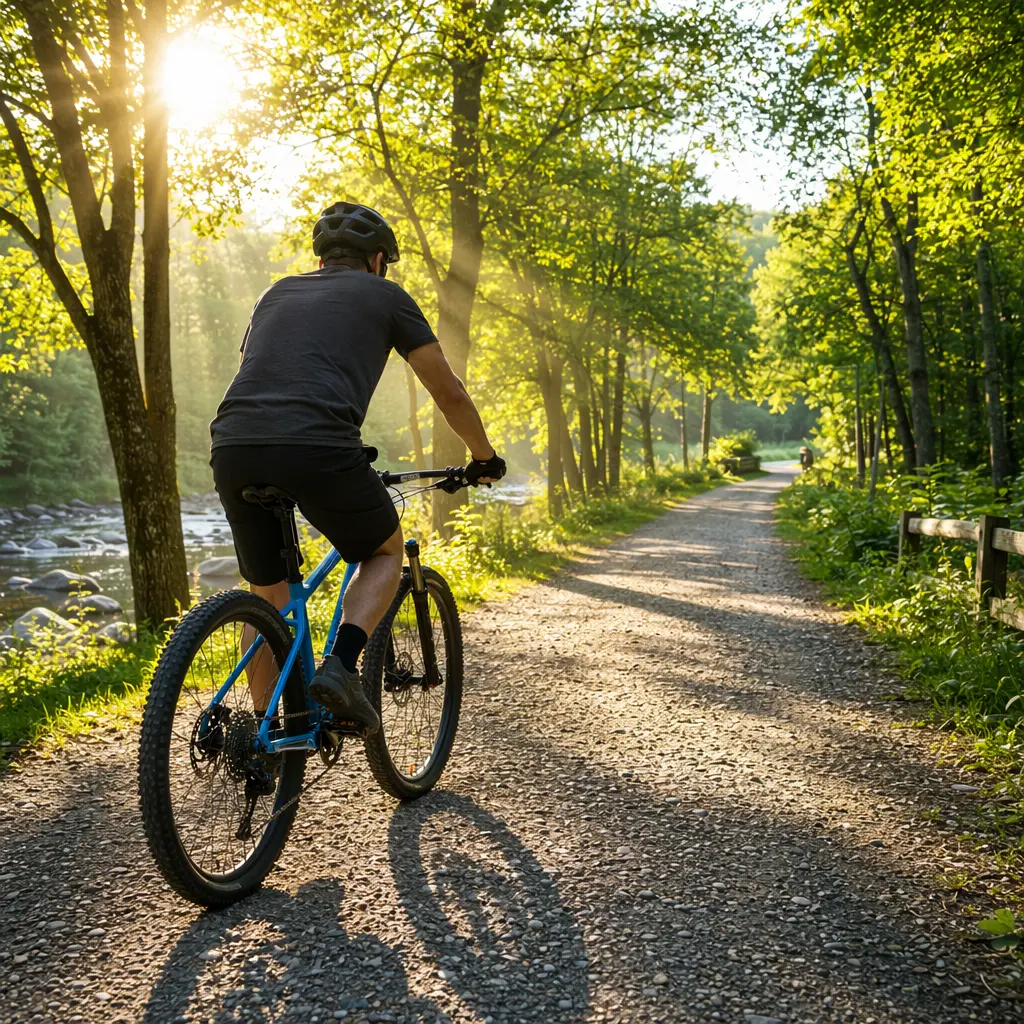
What to look for
At under £400, you won’t get high-end components, but you can still buy a solid, usable mountain bike if you focus on the basics. These features make the biggest difference for UK paths and parks.
- Gearing: Look for a wide-range setup with low gears for short climbs. Triple chainsets or 2x drivetrains are common at this price; simple, low gears matter more than having lots of speeds.
- Frame material: Aluminium frames are lighter and common under £400. Steel frames are heavier but can feel tougher and more comfortable on rough paths.
- Brake type: Mechanical disc brakes are typical and offer better wet-weather control than rim brakes. Don’t expect high power, but they’re consistent in UK conditions.
- Suspension fork: Expect a basic front suspension fork. It helps on roots and potholes but won’t absorb big hits. Lockout is useful for riding on tarmac.
- Geometry: Upright, stable handling suits paths and parks. These bikes prioritise confidence over speed.
- Fit and sizing: Correct frame size matters more than any single component. A poor fit will make any bike uncomfortable and hard to control.
- Weight: Budget mountain bikes are heavier. This is normal at this price and mainly noticeable when climbing or lifting the bike.
Budget and what you're getting
Under £400, mountain bikes are built to a cost. Frames are usually strong but basic, components are chosen for durability rather than performance, and suspension is limited. You’re paying for a versatile bike that can handle rough paths, kerbs and muddy parks — not for speed, precision or serious trail riding. Expect basic tyres, entry-level gears that need occasional adjustment, and wheels designed for everyday use rather than hard impacts. The upside is value: these bikes are generally easy to live with, cheaper to maintain, and forgiving for new or casual riders.
Standout categories or types
Most mountain bikes under £400 fall into the hardtail category — meaning front suspension only. Within that, there are a few variations worth understanding.
- Rigid vs front suspension: Rigid bikes are rare at this price. Front suspension adds comfort on rough paths but also weight and complexity.
- Wheel size: 27.5" and 29" wheels are common. Bigger wheels roll more smoothly over bumps, while smaller wheels can feel more nimble in tight park trails.
- Tyre width: Expect tyres around 2.1–2.3 inches wide. They offer grip on dirt and grass but will feel slower on tarmac.
- Trail-style vs leisure-style: Some bikes lean towards trail looks, others towards leisure riding. For parks and paths, comfort and fit matter more than aggressive styling.
Frequently asked questions
Can a £400 mountain bike handle proper trails?
Light trails, yes. Technical trail centres, jumps and rocky descents, no. These bikes are best for parks, woodland paths and light gravel rather than sustained off-road punishment.
Is suspension necessary for UK paths?
Not essential, but helpful. Suspension smooths out roots and potholes, especially on canal paths and parks. Just keep expectations realistic at this price.
Are disc brakes worth having?
Yes. Even basic mechanical disc brakes perform better in wet UK weather than rim brakes and need less frequent adjustment.
Will these bikes work for commuting too?
They can, but they’re slower and heavier on roads. If commuting is a priority, consider slicker tyres or a hybrid bike instead.
How long should a budget mountain bike last?
With basic maintenance, several years of casual riding. Components may wear faster than premium parts, but replacements are affordable.
A mountain bike under £400 won’t turn every ride into an adventure epic, but it can open up parks, paths and countryside tracks without overspending. Focus on fit, sensible components and realistic expectations, and you’ll get a practical bike that suits everyday off-road riding across the UK.
Find these on Amazon
As an Amazon Associate, CheapBikes earns from qualifying purchases.