Best mountain bikes under £400 in 2026
A clear-eyed look at what a sub-£400 mountain bike can (and can’t) do in 2026 — and where the true minimum viable trail bike line sits for casual off-road riding.
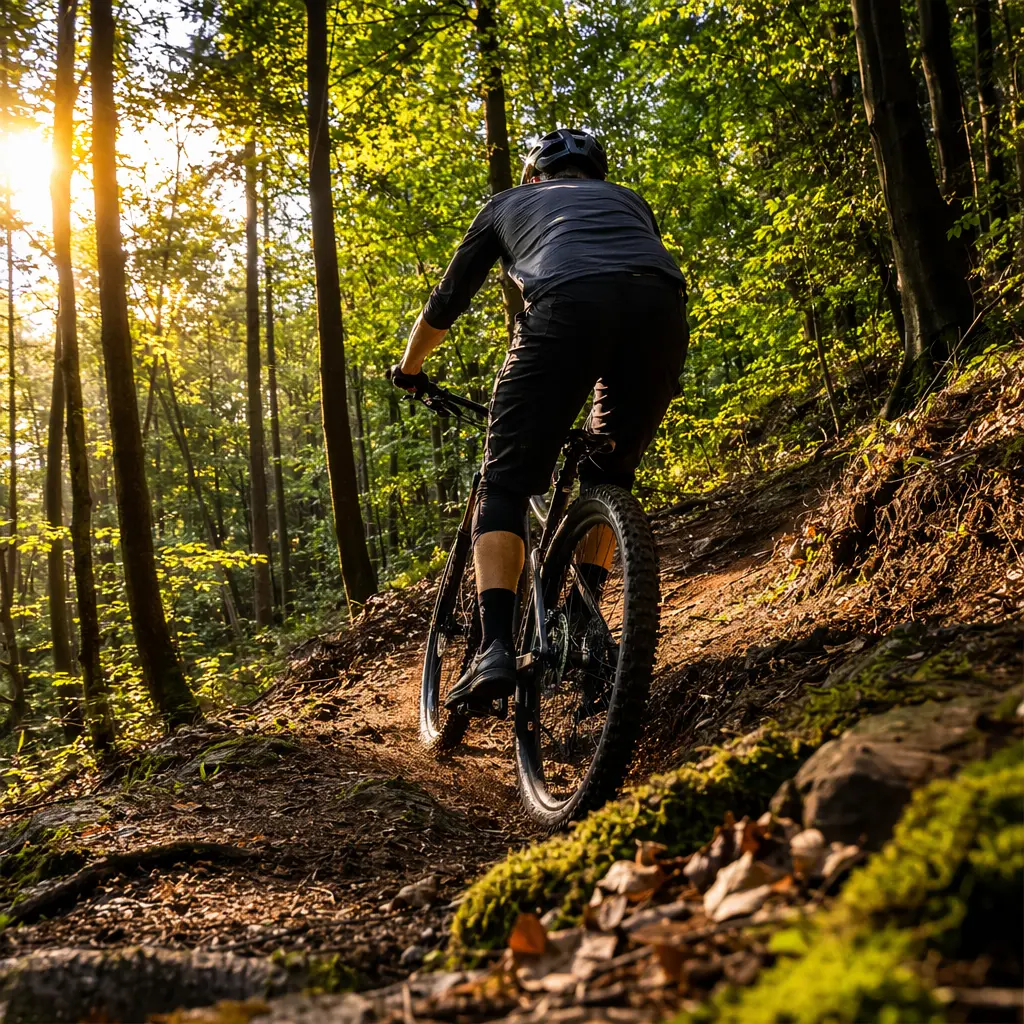
A £400 mountain bike sits right on the edge of what most riders would call a “real” off-road machine. This is the price point many casual riders start at — weekend trails, forest tracks, canal paths and the odd rooty descent — but it’s also where compromises are unavoidable. The key question isn’t which bike is best, but whether a sub-£400 bike is good enough for how and where it will actually be ridden.
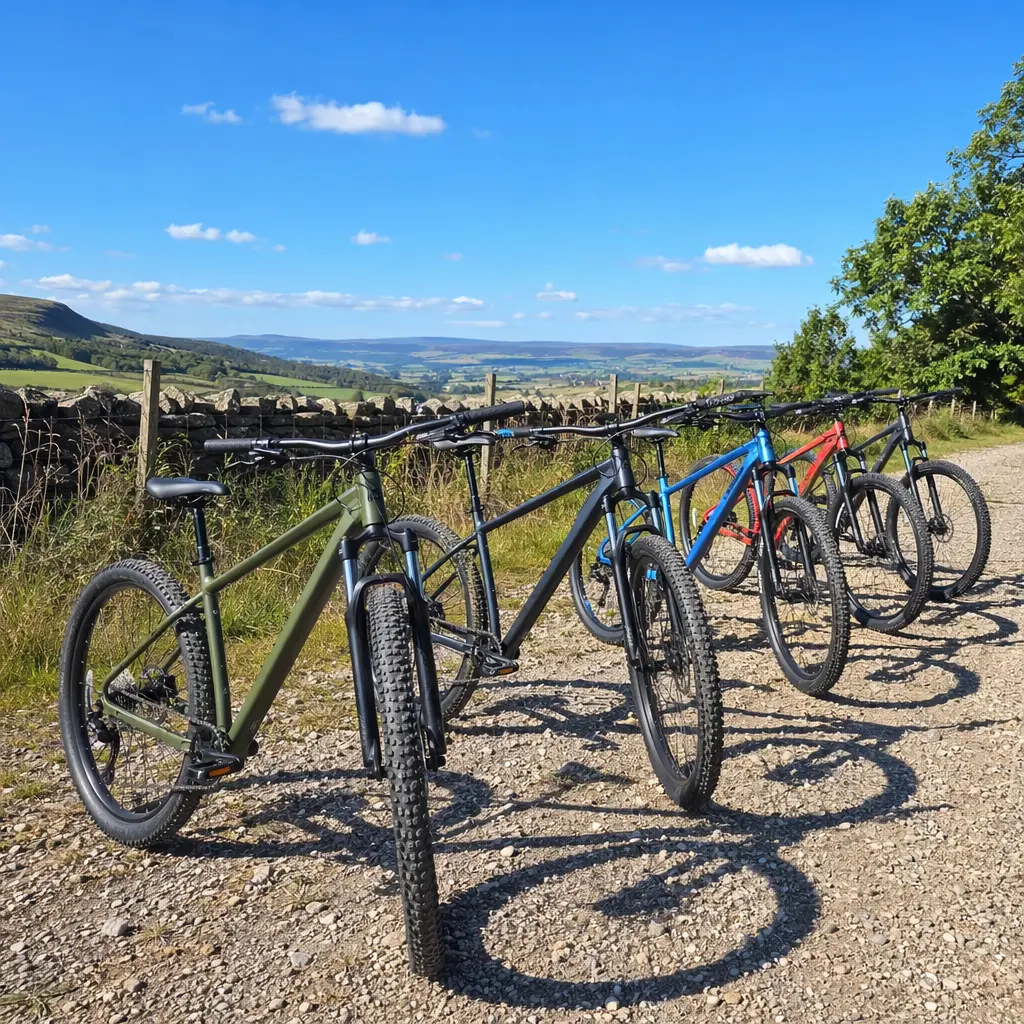
What you actually get at this price
Under £400, nearly every mountain bike on sale follows the same formula. They are designed to look trail-ready but built to survive light off-road use rather than aggressive riding. That doesn’t make them useless — but it does define their limits.
Expect functional, durable parts rather than performance-focused ones. The good news is that reliability has improved at the bottom end of the market, and modern entry-level bikes are far safer and more capable than they were a decade ago.
- Frame: aluminium hardtail frame, usually heavier tubing with relaxed geometry
- Fork: basic coil-sprung suspension fork, typically 80–100mm travel, limited adjustment
- Gears: 2x or 3x drivetrain using entry-level Shimano or Microshift components
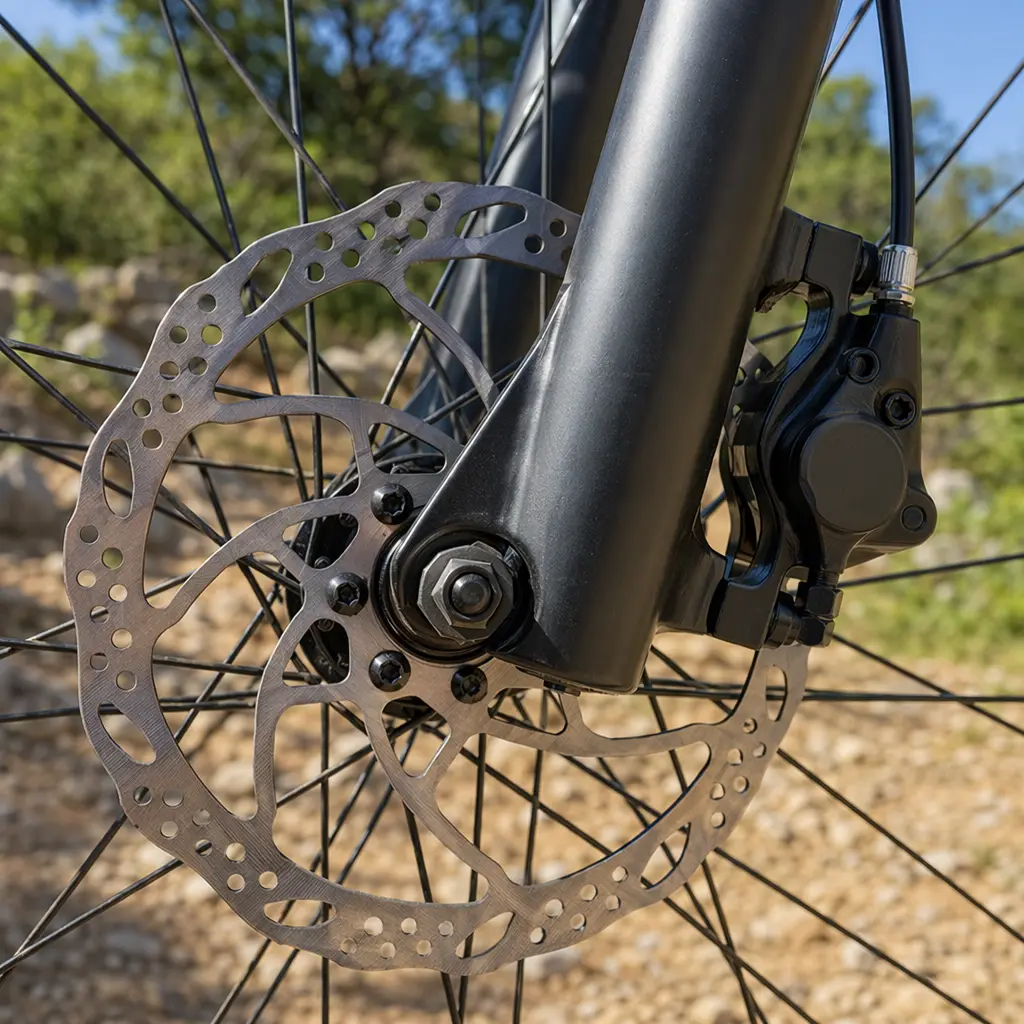
- Brakes: mechanical disc brakes or basic hydraulic discs on better-specced options
- Wheels & tyres: heavy wheels with wire-bead tyres focused on durability over grip
- Extras: bottle cage mounts are common; rack and mudguard mounts are hit-and-miss
How to choose
At this budget, choosing the right mountain bike is more about avoiding bad fits and unrealistic expectations than chasing spec-sheet wins. Fit matters more than whether one bike has an extra gear or a slightly flashier fork.
Look for a sensible riding position that feels stable rather than stretched. These bikes are best for bridleways, trail centres’ green and blue routes, and mixed-use riding — not jumps, drops or bike-park abuse. If the plan includes commuting or towpaths, tyre clearance and mounting points start to matter more than suspension travel.
What to look out for
- Very heavy forks with no damping control, which can feel bouncy on descents
- Mechanical disc brakes with poor modulation, especially in wet conditions
- Overly wide gear ranges using dated 3x setups that need frequent adjustment
- Narrow handlebars that reduce control off-road
- Limited upgrade paths due to non-standard parts or basic wheel hubs
Worth spending more on
If the budget can stretch even slightly, the biggest performance jump usually comes from brakes and tyres. Entry-level hydraulic disc brakes offer far better control than mechanical ones, especially on wet UK trails. Similarly, swapping the stock tyres for better-quality rubber can transform grip and confidence.
Comfort upgrades also punch above their weight. A better saddle, lock-on grips, and wider handlebars can make a cheap mountain bike feel more controlled and less fatiguing without touching the core components.
Frequently asked questions
Is a £400 mountain bike safe for trail riding?
Yes — for light trail riding. Forest paths, gravel tracks and easier trail centre routes are well within scope. Hard impacts, jumps and technical red or black trails are not.
Are full-suspension bikes under £400 worth it?
Generally no. At this price, full-suspension designs add weight and complexity without improving control. A basic hardtail is almost always the better option.
How long will a budget mountain bike last?
With regular maintenance and sensible riding, several years of casual use is realistic. Components will wear faster than on higher-end bikes, but replacements are affordable.
Is it better to buy used at this price?
Sometimes. A well-kept used hardtail from a known brand can outperform a brand-new £400 bike — but only if the condition is good and servicing costs are factored in.
In 2026, £400 marks the minimum viable entry point for genuine off-road riding. Choose carefully, ride within the bike’s limits, and it can be a solid gateway into mountain biking rather than a false economy.
Find these on Amazon
As an Amazon Associate, CheapBikes earns from qualifying purchases.