Trek Powerfly: the e‑MTB that normalised assisted trail riding
Trek’s Powerfly range helped make electric mountain bikes an everyday sight at UK trail centres, blending Bosch power with familiar hardtail and full‑suss trail geometry.
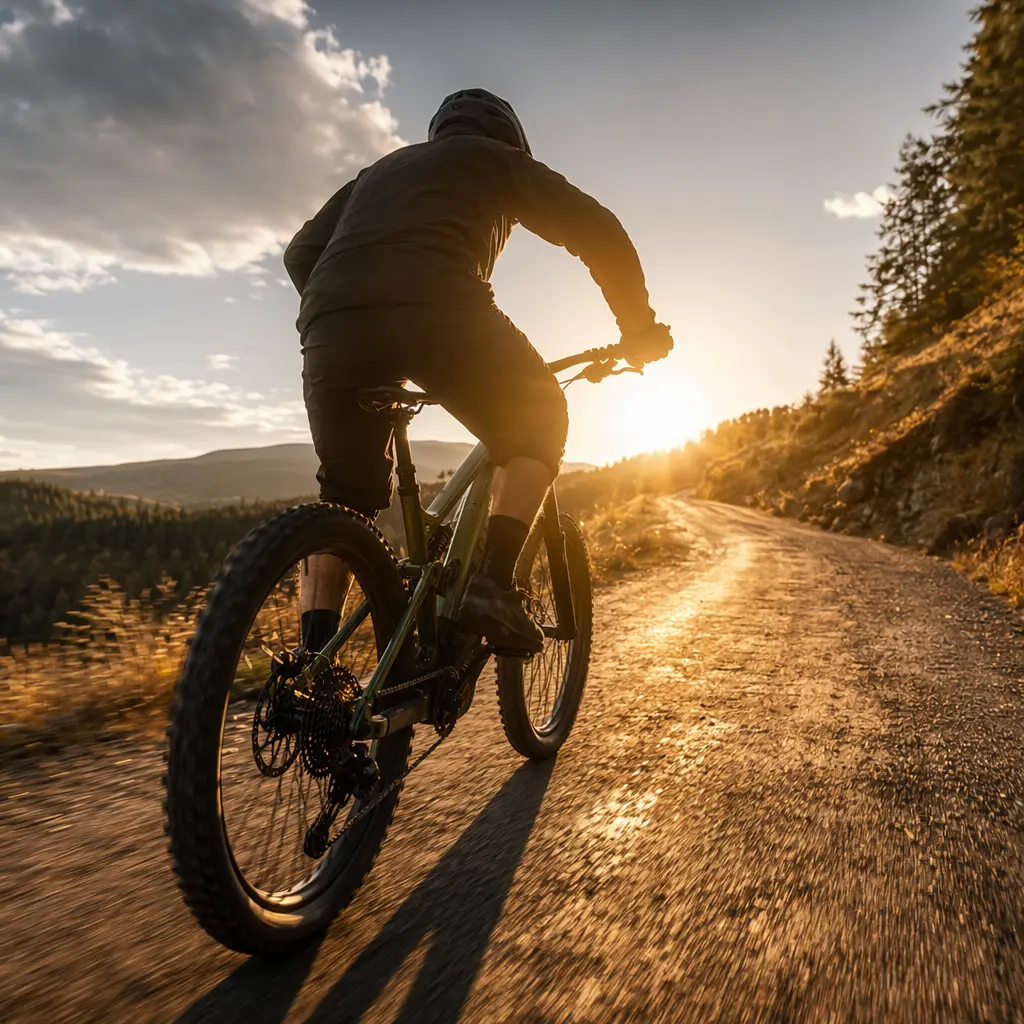
The Trek Powerfly sits right at the point where electric mountain bikes stopped feeling niche and started feeling normal. For many UK riders, it was the first e‑MTB they saw turning up regularly at trail centres, towpaths and forestry tracks. Not extreme, not boutique, and not aimed only at the already‑converted, the Powerfly range positioned assisted riding as a practical extension of everyday trail biking.
Where it came from
The Powerfly family emerged as Trek’s answer to a growing European appetite for electric assistance on proper off‑road bikes. Rather than treating e‑MTBs as a novelty, Trek built the Powerfly around proven mountain bike layouts and paired them with Bosch drive systems that UK riders already trusted from commuter and trekking e‑bikes.
Sold through Trek’s UK dealer network, the Powerfly quickly became a familiar sight at trail centres from Wales to the Tweed Valley. Its mix of recognisable geometry, big‑name motor support and a wide spread of trims meant it appealed not just to tech enthusiasts, but also to riders who simply wanted to ride further, climb more, or keep up with faster mates.
Why it works
What made the Powerfly convincing was how little re‑learning it demanded. The riding position feels like a contemporary trail bike rather than a heavy, upright e‑machine, and the assistance is tuned to amplify effort rather than replace it. In UK conditions — short, punchy climbs, rooty singletrack, and long linking miles — that balance matters.
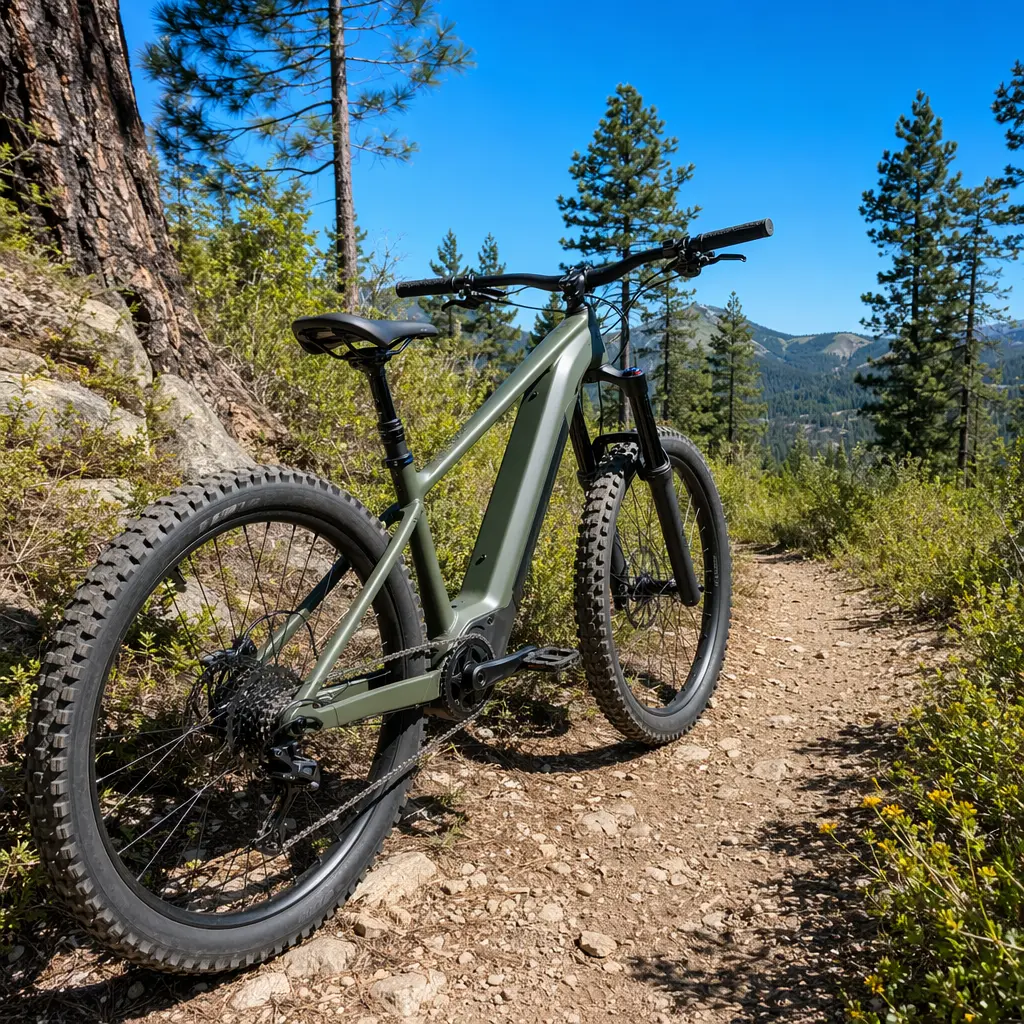
Across the family, you tend to see practical component choices rather than exotic ones. Suspension travel is trail‑friendly, not downhill‑specific, and tyres are selected for grip and durability over outright weight savings. The result is an e‑MTB that feels comfortable on blue and red routes, fire roads, and everyday off‑road exploring.
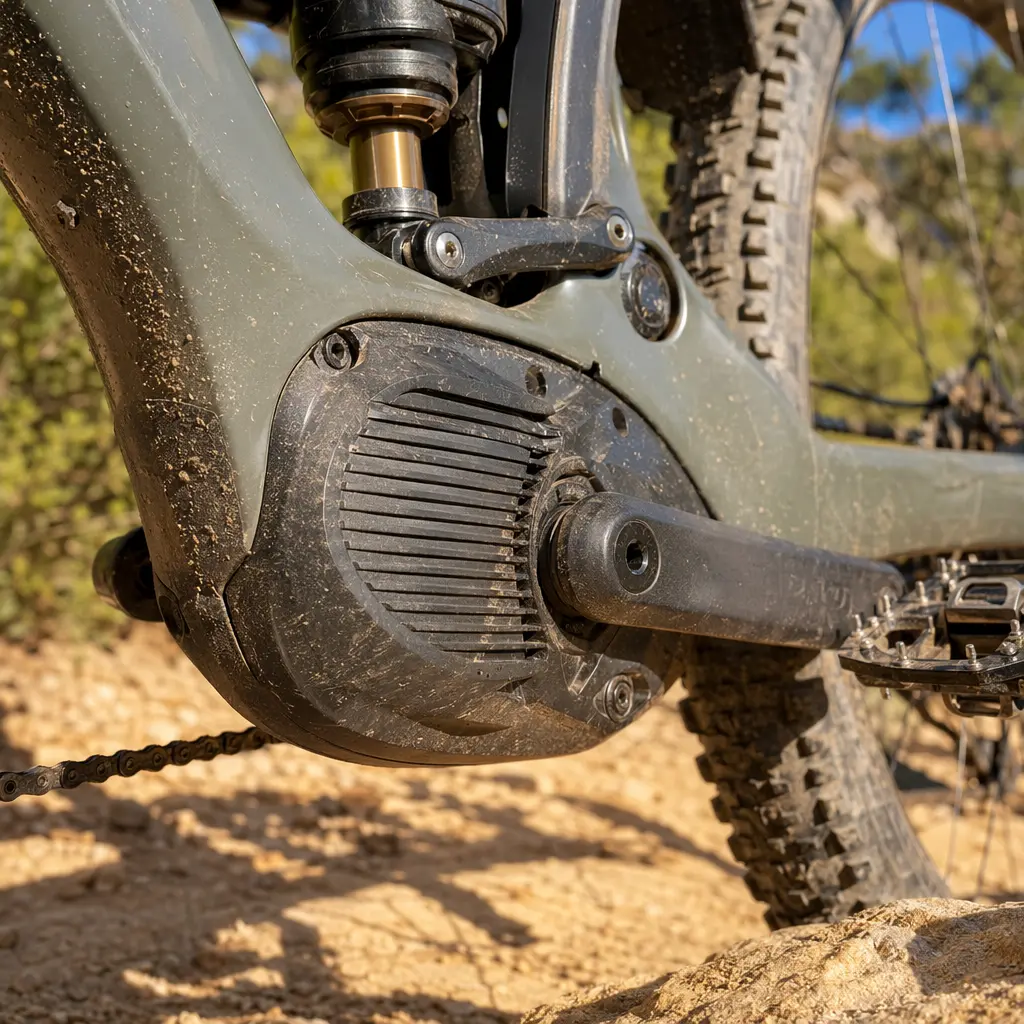
- Bosch mid‑drive motors known for reliability and predictable assistance
- Trail‑orientated geometry rather than extreme enduro angles
- Frame designs that integrate the battery cleanly without looking futuristic
- Mounting points on some versions for mudguards or racks, reflecting real‑world use
Who it's for
The Powerfly suits riders who want to ride more, not necessarily harder. That might be trail‑centre regulars looking to squeeze in extra laps, returning riders rebuilding fitness, or weekend explorers covering big distances on mixed terrain. In UK terms, it’s firmly in the mainstream e‑MTB bracket, typically sitting from the mid‑thousands up to higher depending on trim when new, with plenty appearing on the second‑hand market.
Variants and what to look for today
The Powerfly range has typically spanned both hardtail and full‑suspension versions, with entry, mid and higher trims differentiated by suspension quality, drivetrain and battery capacity. Hardtails appeal to riders prioritising simplicity and value, while the full‑suspension models suit rougher trail centres and longer days in the saddle.
If you’re considering one now — especially second‑hand — focus less on the badge and more on condition. Battery health, motor service history and drivetrain wear matter far more than cosmetic scuffs. Geometry and sizing have remained sensibly modern, so older examples can still feel current if well maintained.
Frequently asked questions
Is the Powerfly more trail bike or commuter?
At heart it’s a trail bike, but its stable geometry and, on some versions, practical mounts make it usable for longer mixed‑surface rides. It’s less suited to daily road commuting than a dedicated e‑hybrid, but it’s more versatile off‑road.
How heavy does it feel on the trail?
Like most e‑MTBs, weight is noticeable when lifting or manoeuvring slowly, but once rolling the assistance and balanced geometry help it feel planted rather than cumbersome.
Are trail centres in the UK e‑MTB friendly?
Most major UK trail centres allow e‑MTBs as long as they’re pedal‑assist and meet standard power limits. The Powerfly was one of the bikes that helped normalise their presence on shared trails.
The Trek Powerfly’s legacy isn’t about pushing boundaries; it’s about making assisted trail riding feel ordinary. By blending trusted motors, sensible design and broad availability, it became a reference point for what a mainstream e‑MTB could be — and for many UK riders, still is.
Find these on Amazon
As an Amazon Associate, CheapBikes earns from qualifying purchases.