Giant Trance: the balanced trail bike that suits UK riding
Giant’s Trance family has long stood for sensible trail bikes that cope with UK mud, climbs and descents. Here’s why the Trance remains a do‑it‑all choice for everyday riders.
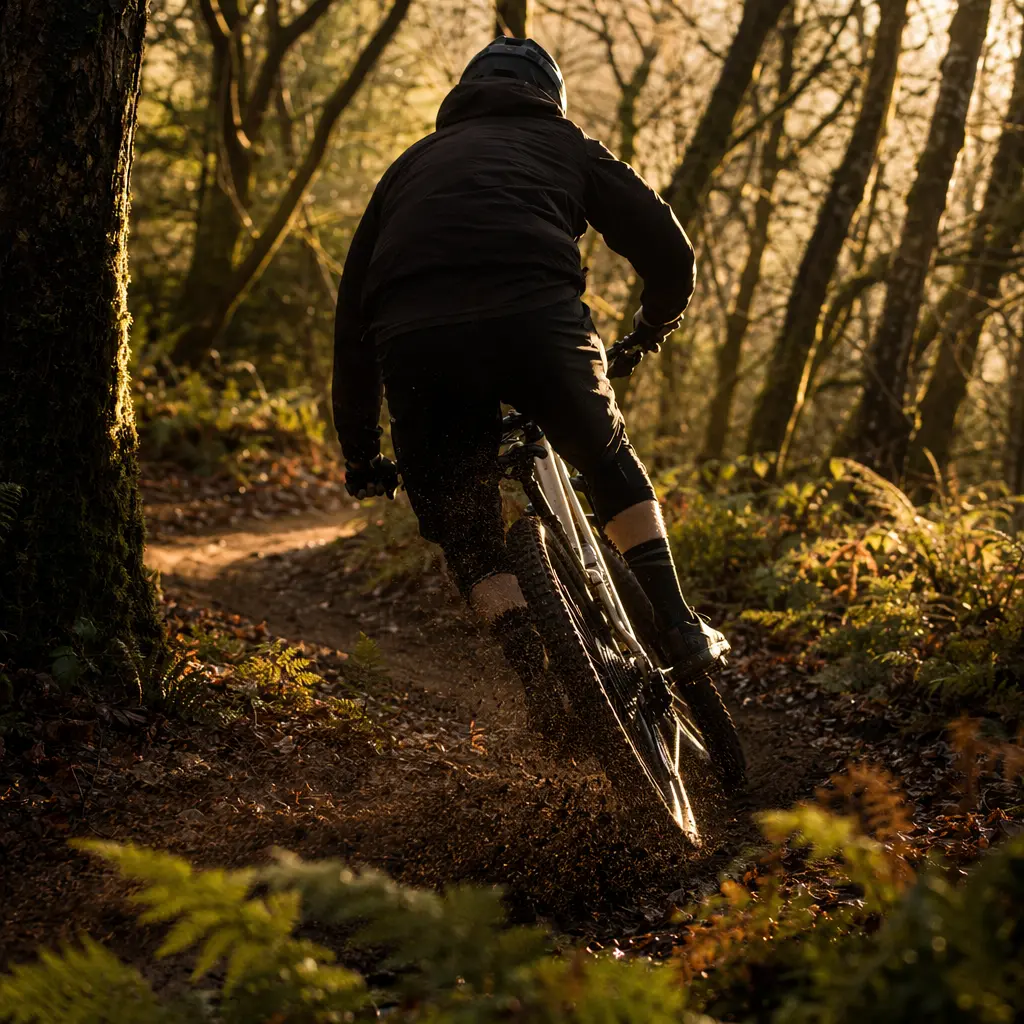
The Giant Trance is one of those mountain bike names that rarely shouts, yet keeps turning up on British trails year after year. Sitting squarely in the trail bike sweet spot, the Trance family is about balance rather than extremes: enough travel to take the sting out of roots and rock gardens, geometry that climbs without drama, and a price point that undercuts many rivals. For UK riders who want one bike to cover trail centres, natural singletrack and big weekend loops, the Trance has become a familiar, dependable sight.
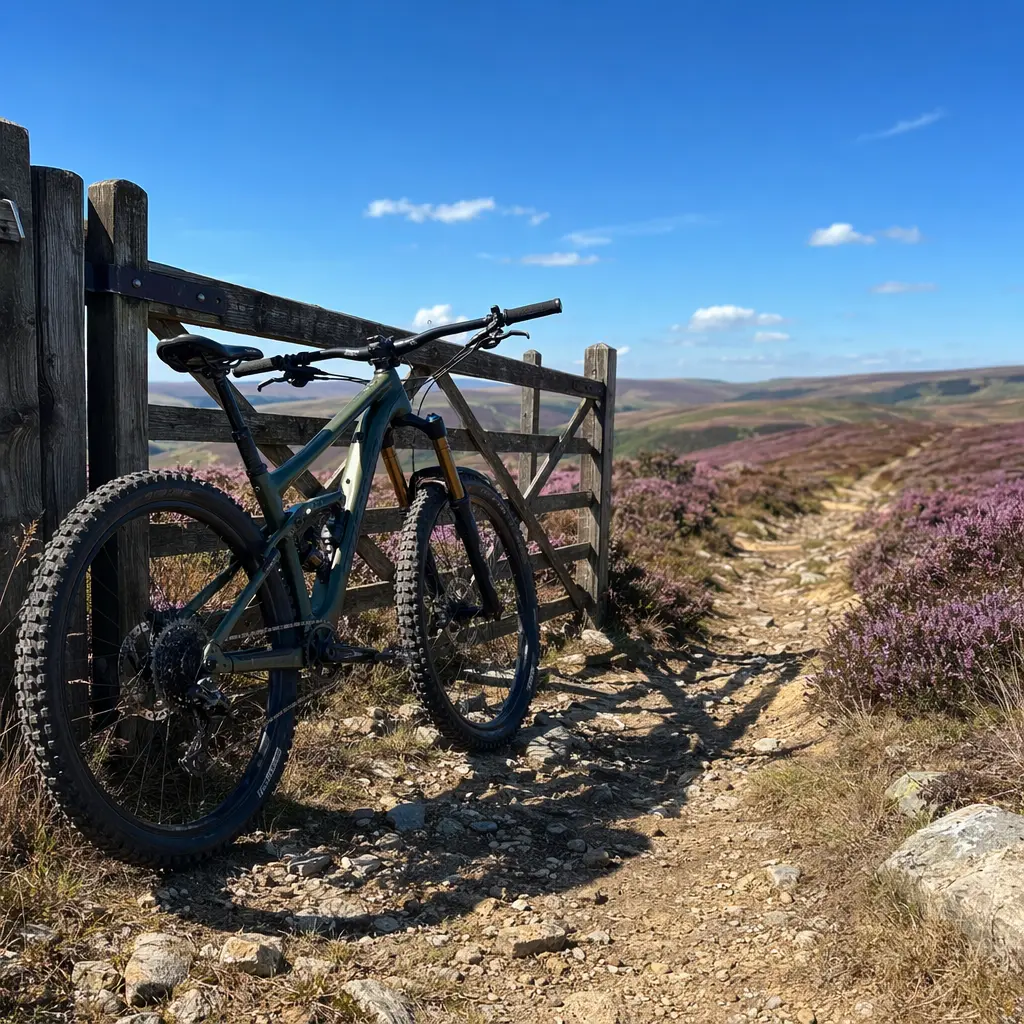
Where it came from
The Trance name dates back to the mid‑2000s, when trail bikes were still finding their identity between twitchy cross‑country machines and heavy downhill rigs. Giant positioned the Trance as a capable all‑rounder, built around the brand’s own suspension design and mass‑production advantages. In the UK, it quickly found an audience among riders who wanted full suspension without boutique prices or fragile race‑day setups.
Sold through independent bike shops and larger UK retailers alike, the Trance has benefited from Giant’s scale. Frames and complete bikes have typically arrived well‑specced for the money, with sensible component choices aimed at longevity rather than headline‑grabbing parts. Over the years the family has evolved with wheel sizes, geometry trends and drivetrain standards, but the underlying positioning has stayed consistent: practical trail performance at a realistic cost.
Why it works
What keeps the Trance relevant is its refusal to specialise too narrowly. Geometry is generally neutral by modern trail standards: not overly slack, not overly steep, and sized to give stability on descents without making tight climbs a chore. Suspension travel sits in the versatile middle ground, enough for UK trail centres and rough bridleways, but still efficient when pedalling long distances.
Typical builds favour reliability. You’ll often see proven suspension units with sensible damping, wide‑range drivetrains suited to winchy climbs, and sturdy wheelsets that can survive winter riding. Giant’s own finishing kit may not win style points, but it tends to be durable and easily replaced.
- Trail‑friendly suspension travel that copes with roots, rocks and drop‑ins
- Balanced geometry aimed at all‑day rides rather than park laps
- Practical component choices with an eye on durability
- Frame designs that usually allow for a dropper post and modern tyre widths
Who it’s for
The Trance suits riders who want one mountain bike to do most things reasonably well. Think regular trail‑centre visitors, weekend explorers on natural singletrack, and riders stepping up from a hardtail into full suspension. It’s not aimed at pure racers or downhill specialists, but for many UK riders it hits a comfortable middle ground. Budget‑wise, the family has typically sat in the accessible mid‑range, with new bikes often around the £2,000–£3,000 mark depending on trim, and plenty of older examples circulating second‑hand for less.
Variants and what to look for today
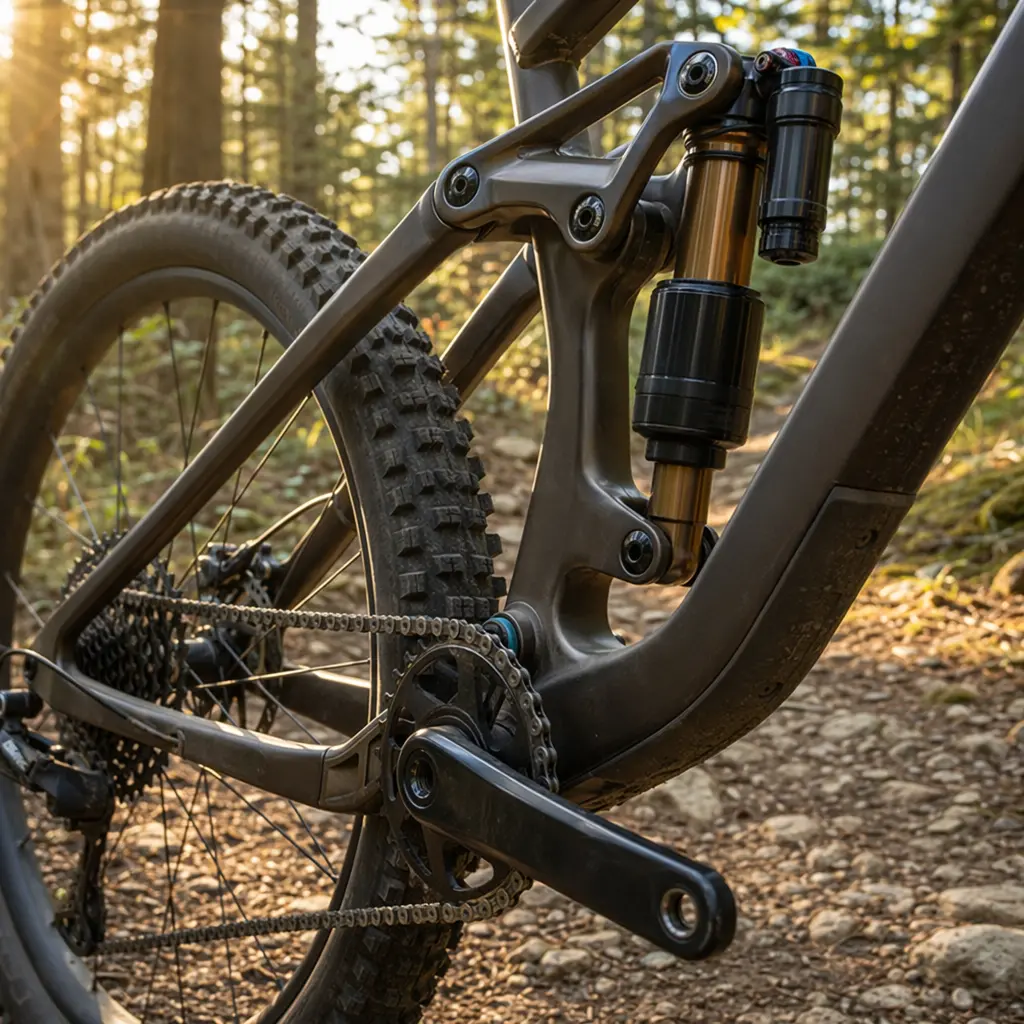
Over the years, the Trance family has been offered in clear tiers. Entry versions tend to use more basic suspension and heavier wheels, but still share the same core frame design. Mid‑level builds usually hit the sweet spot, upgrading suspension dampers, brakes and drivetrains without pushing prices too far. Higher trims focus on weight savings and smoother suspension performance, appealing to keener riders who still want a sensible trail bike.
When buying used, condition matters more than trim level. Check suspension pivots for play, inspect the shock and fork for smooth action, and look closely at the frame around welds and linkage points. Many older Trances are still going strong, but replacement bearings and a suspension service should be factored into the price.
Frequently asked questions
Is the Giant Trance suitable for UK trail centres?
Yes. The Trance’s travel and geometry are well matched to red and blue trail‑centre routes, with enough forgiveness for technical sections without feeling sluggish on smoother climbs.
How does it compare to an enduro bike?
Compared with an enduro bike, the Trance is lighter and more efficient on long rides but less stable at very high speeds or on big drops. It’s aimed at everyday riding rather than uplift days.
Is it a good step up from a hardtail?
For riders who are comfortable on a hardtail and want more comfort and control, the Trance is a logical progression. It adds grip and confidence without completely changing the riding experience.
What wheel size should I look for?
Different generations have used different wheel sizes. Modern versions tend to favour larger wheels for stability, while older models may feel more playful. Choose based on terrain and riding style rather than fashion.
The Giant Trance endures because it mirrors how most people actually ride in the UK. It’s not chasing extremes or trends for their own sake, but quietly refining a formula that works on muddy winters, dry summers and everything in between. For riders who value balance over bravado, the Trance remains a reassuring, sensible trail companion.
Find these on Amazon
As an Amazon Associate, CheapBikes earns from qualifying purchases.