Best commuter bikes under £450 for low maintenance riding
Simple, tough commuter bikes under £450 that prioritise reliability over speed. Ideal for riders who want fewer adjustments, fewer repairs and less day-to-day bike faff.
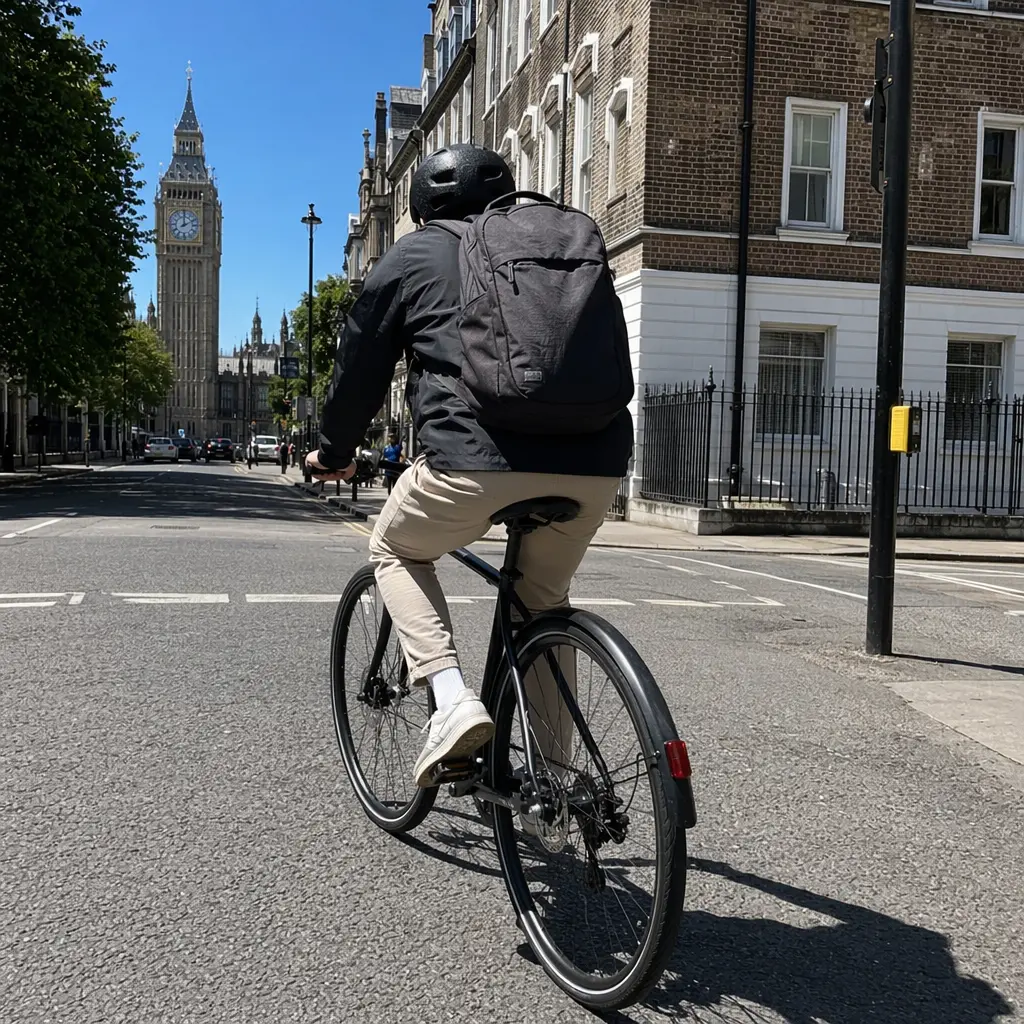
Not everyone wants to tinker with gears, tweak brakes or clean oily parts every weekend. This guide is for commuters who just want a bike that works, day in, day out — and costs under £450. At this budget, the focus is on simple drivetrains, tough components and practical design rather than speed, light weight or flashy looks.
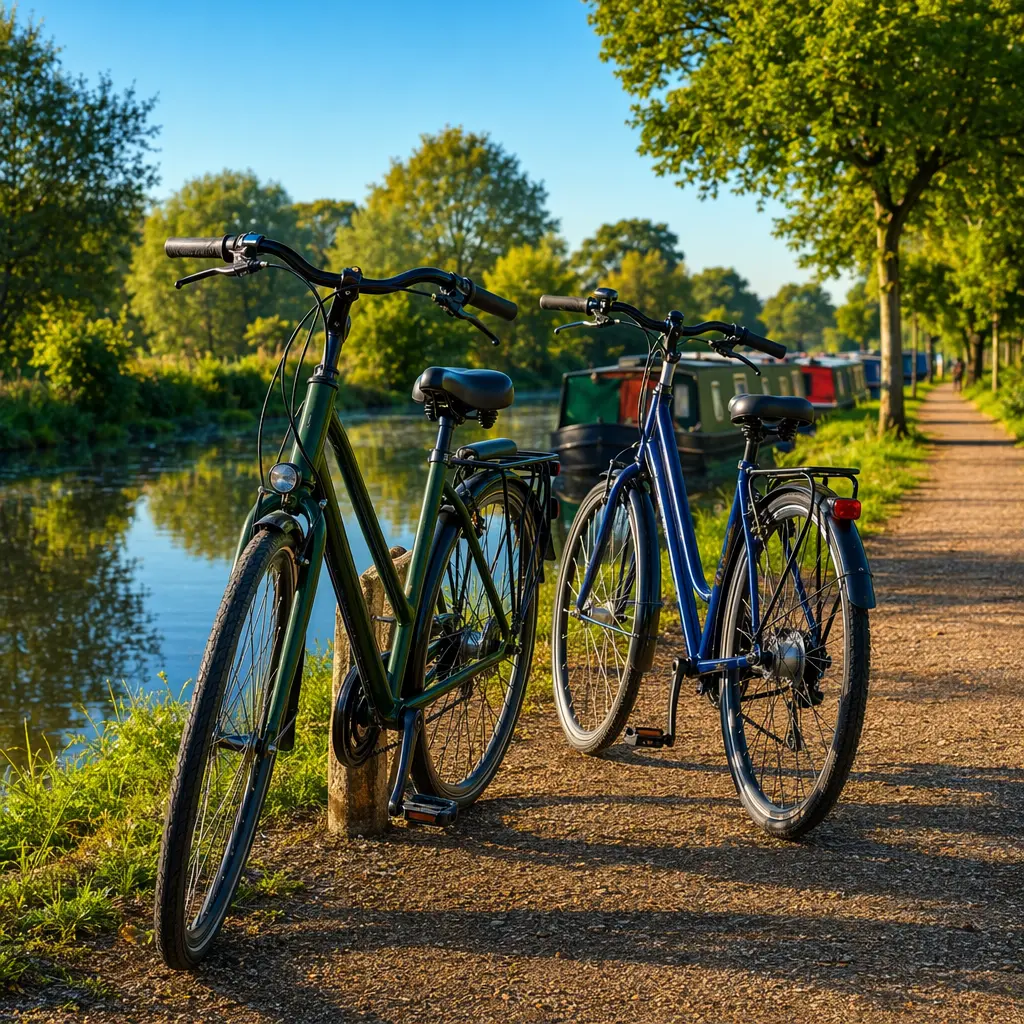
What you actually get at this price
Under £450, commuter bikes are built to be affordable, robust and easy to live with. You’re paying for durability and simplicity rather than performance. Most bikes in this bracket are heavier than sportier options, but they cope better with poor weather, potholes and daily locking-up.
Expect sensible, proven parts that prioritise longevity. The best options avoid unnecessary complexity and use components that need infrequent adjustment.
- Drivetrain: single-speed, hub gears (usually 3-speed), or wide-range 1x setups
- Brakes: mechanical disc brakes or traditional V-brakes with easy-to-find pads
- Frame material: aluminium or basic steel, prioritising strength over light weight
- Gearing range: limited but adequate for mostly flat or gently rolling commutes
- Extras: full mudguards often included; racks and lights sometimes fitted but not guaranteed
How to choose
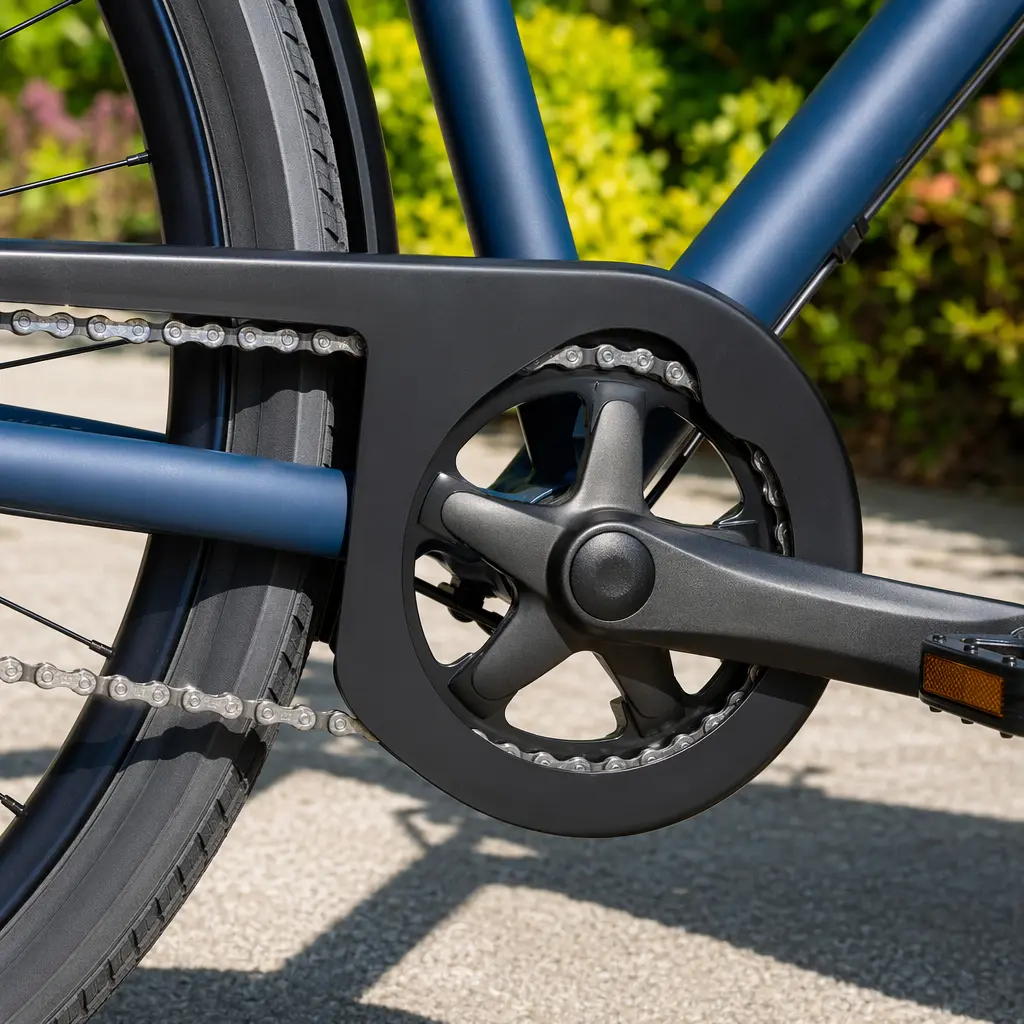
For low-maintenance commuting, simplicity matters more than outright speed. Single-speed bikes are the easiest to own, with no derailleurs to knock out of alignment, but they’re best suited to flatter routes. Hub gears add a little cost and weight, but they keep everything sealed from dirt and rain.
Fit and riding position are also key. An upright or slightly relaxed geometry reduces strain and improves visibility in traffic. Check that the bike has clearance for mudguards and wider tyres — both improve comfort and reduce wear on components over time.
What to look out for
- Very cheap suspension forks — heavy, unreliable and add maintenance
- Poor-quality shifters that feel vague and wear quickly
- Narrow tyres that puncture easily on urban debris
- Lack of rack or mudguard mounts, limiting practicality
- Unbranded brakes that are hard to adjust or source pads for
Worth spending more on
Even on a tight budget, a few upgrades can significantly reduce ongoing maintenance. Puncture-resistant tyres are top of the list — they cost more upfront but save time, money and frustration.
A decent lock is also essential for commuting. Cheap locks are easily defeated, while a solid D-lock or heavy-duty chain offers far better protection and peace of mind.
Frequently asked questions
Are single-speed bikes good for commuting?
Yes, especially on flatter routes. With fewer moving parts, they’re quiet, cheap to maintain and very reliable, but steep hills can be challenging.
Do hub gears need maintenance?
They need far less attention than derailleur gears. Occasional servicing is recommended, but for everyday commuting they’re durable and weather-resistant.
Are disc brakes better for commuters?
Mechanical disc brakes offer consistent stopping in wet weather and reduce rim wear. They’re slightly heavier but well suited to year-round riding.
For riders who hate maintenance, the best commuter bike under £450 is the one that keeps things simple, fits well and shrugs off daily use — making every ride easier and more reliable.
Find these on Amazon
As an Amazon Associate, CheapBikes earns from qualifying purchases.