5 commuter bikes worth your money in 2026
A practical guide to commuter bikes that actually work for daily UK riding. Five commuter bike types explained, with the features that matter most and the compromises to expect.

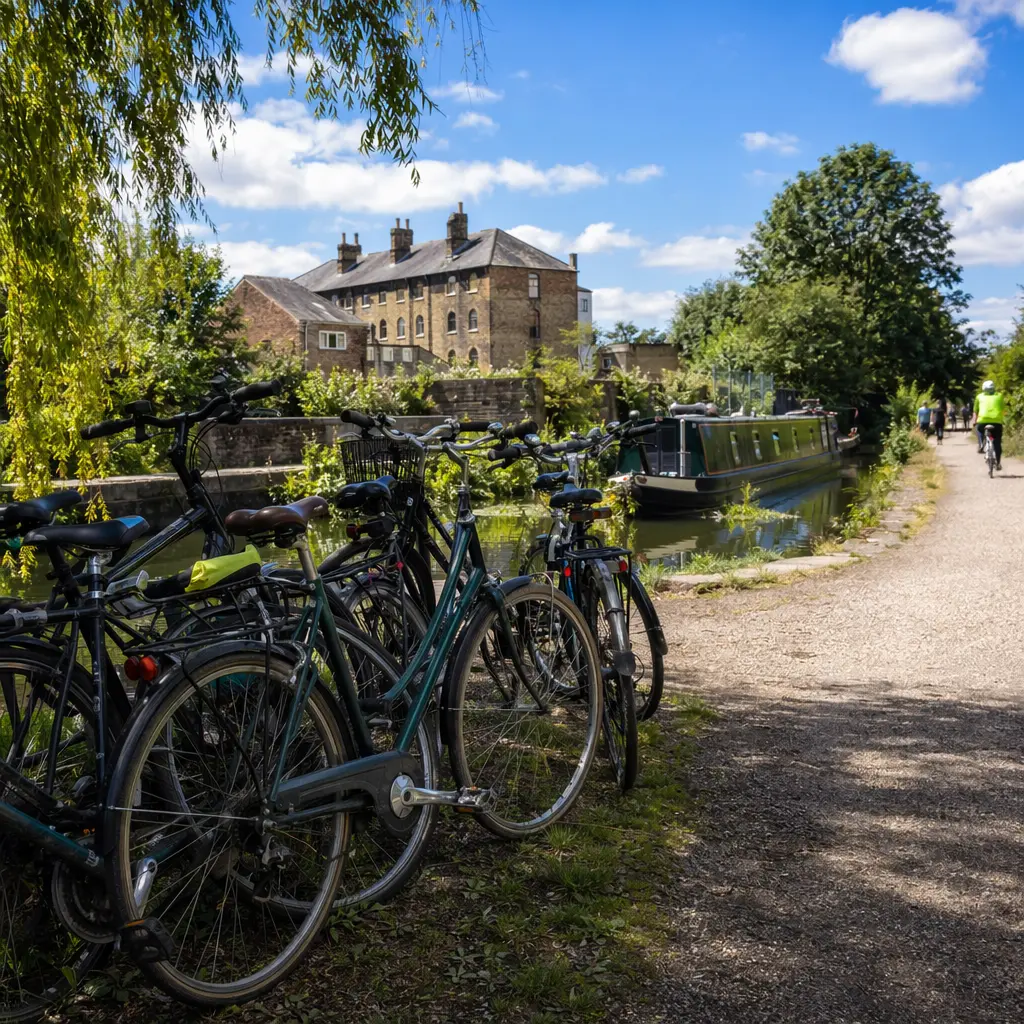
- Frame material: aluminium or steel, favouring strength and corrosion resistance over lightness
- Gearing: wide-range drivetrains designed for hills, often with simpler setups to reduce maintenance
- Brakes: mechanical disc brakes or reliable rim brakes for consistent stopping in wet weather
- Tyres: puncture-resistant tyres with moderate width for comfort on broken roads
- Mounts and extras: rack and mudguard mounts are common; some bikes include full guards or lights
- Overly aggressive riding positions that strain wrists and neck on stop-start journeys
- Very narrow tyres that struggle with potholes, drain covers and winter road debris
- Lack of rack or mudguard mounts, limiting future practicality
- Cheap lighting systems that are hard to replace or underpowered
- Heavy, low-quality wheels that dull acceleration and are costly to upgrade
Note
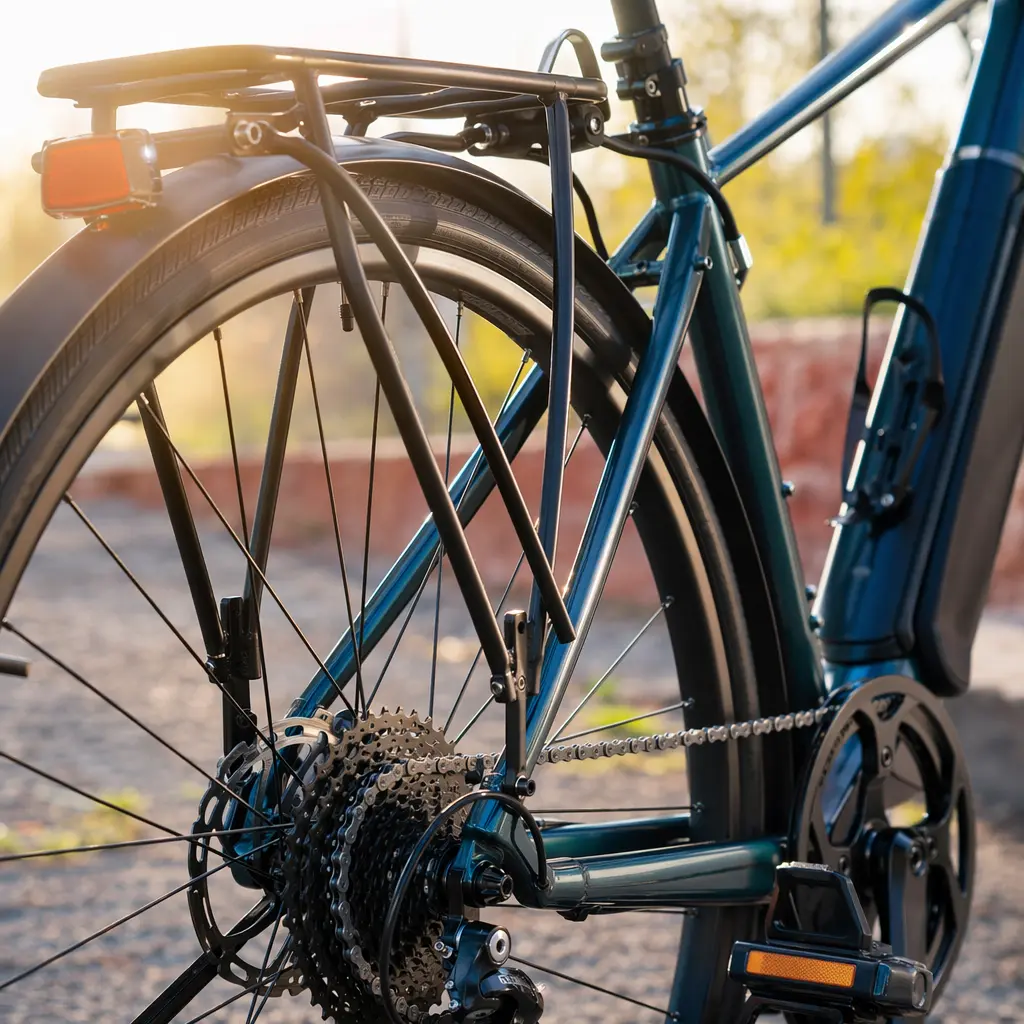
Find these on Amazon
As an Amazon Associate, CheapBikes earns from qualifying purchases.
uk cycling
bike buying guide
value bikes
city cycling
commuter bikes