BMX bikes under £600: what actually improves durability?
A plain-English guide to which BMX features really boost durability under £600, with a focus on park and pump track riding. Learn where to spend and what to skip.
Shopping for a BMX under £600 can feel confusing. Spec lists are packed with buzzwords, yet some bikes last seasons of park laps while others feel tired after a few months. If you ride skateparks or pump tracks, durability matters more than outright lightness or flashy extras. This guide focuses on the upgrades that actually help a BMX take repeated impacts, missed landings and daily riding—without drifting into pro-level prices.
What to look for
At this price point, durability comes from a handful of proven features. You don’t need every upgrade, but the following make the biggest difference for park and pump track riding.
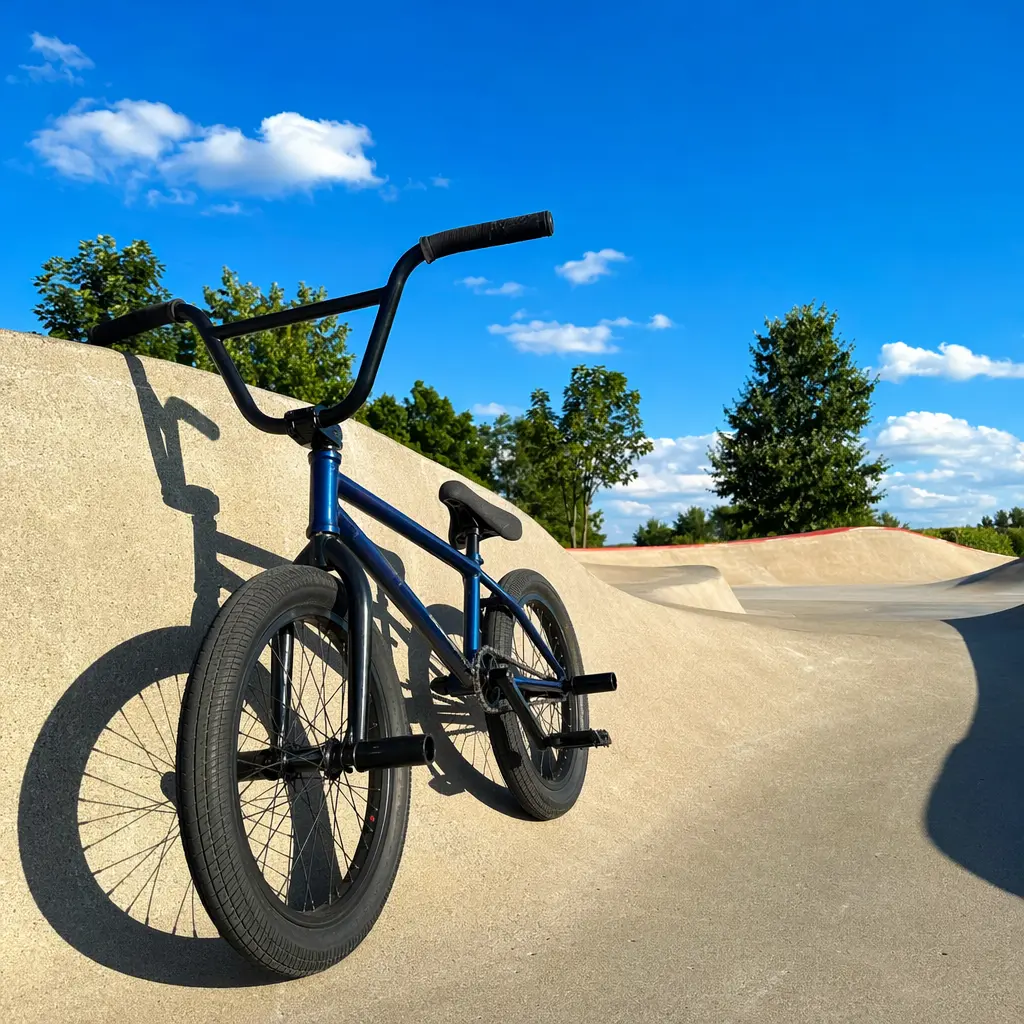
- Frame material: Full chromoly steel is the gold standard for strength and fatigue resistance. Hi-tensile steel is cheaper but heavier and more prone to bending.
- Fork and bars: Chromoly forks and handlebars matter just as much as the frame, as they take repeated landing forces.
- Wheels and rims: Double-wall rims last far longer than single-wall rims when casing jumps or riding concrete.
- Hubs and bearings: Sealed bearings in hubs, bottom bracket and headset resist dirt and last longer than loose-ball setups.
- Cranks: Three-piece cranks are tougher and easier to replace individually than one-piece designs.
- Brake setup: A simple rear U-brake is fine for parks; quality cables and mounts matter more than brake type.
- Fit and geometry: The right top tube length for your height reduces stress on the frame and your body.
- Weight: Lighter isn’t always stronger; aim for sensible weight with proven materials rather than extreme savings.
Budget and what you're getting
Under £600, most complete BMX bikes are carefully balanced. Brands typically spend the budget on one or two strong areas—often the frame and cranks—while keeping costs down with heavier wheels or basic tyres. That’s normal. You’re unlikely to get top-tier hubs, ultra-light rims and full chromoly everywhere at once. The key is choosing a bike where the expensive-to-replace parts (frame, fork, bars) are solid, knowing that tyres, chains and even rims can be upgraded later as they wear out.
Standout categories or types
Even within park- and pump-track-focused BMX bikes, there are a few meaningful choices that affect durability. None are strictly right or wrong, but they suit different riding styles.
- Full chromoly vs partial chromoly: Full chromoly frames cost more but handle repeated hard landings better. Partial chromoly (front triangle only) can still be good value if the welds are tidy.
- Cassette vs freecoaster hubs: Cassette hubs are simpler and often more durable at this price. Freecoasters are popular for fakies but add cost and complexity.
- Pegs included or not: Included pegs save money if you grind, but they can stress axles. Check for 14mm axles if pegs matter to you.
- Tyre clearance: Frames with decent clearance cope better with wider tyres, which can reduce rim damage on concrete.
Frequently asked questions
Is full chromoly really worth it under £600?
If durability is your priority, yes. Full chromoly frames and forks resist cracking and bending far better over time. It’s one of the few upgrades that genuinely changes how long a bike lasts.
Do sealed bearings make a big difference?
For UK conditions, sealed bearings are a clear win. They keep out moisture and grit, reducing maintenance and prolonging the life of hubs, bottom brackets and headsets.
Are heavier bikes always stronger?
Not necessarily. Weight can come from stronger materials, but it can also come from cheap steel and bulky parts. Focus on material quality and construction, not just the number on the scale.
What’s the first upgrade to plan for?
Tyres and chains are common early upgrades. Better tyres improve grip and protect rims, while a stronger chain reduces the chance of snapping under load.
Can a sub-£600 BMX handle daily park riding?
Yes, if it’s chosen carefully. A well-specified budget BMX with a strong frame, decent wheels and sealed bearings can handle daily sessions, especially if basic maintenance is kept up.
In short, durability under £600 comes from prioritising the bones of the bike. Spend your budget on strong materials and proven designs, accept a few heavier parts, and you’ll end up with a BMX that keeps rolling long after the paint has picked up its first scratches.
Find these on Amazon
As an Amazon Associate, CheapBikes earns from qualifying purchases.