Bike accessories worth upgrading over £100
A buyer’s guide to bike accessories over £100 that deliver real safety, comfort and reliability gains — and which upgrades are best left as optional extras.
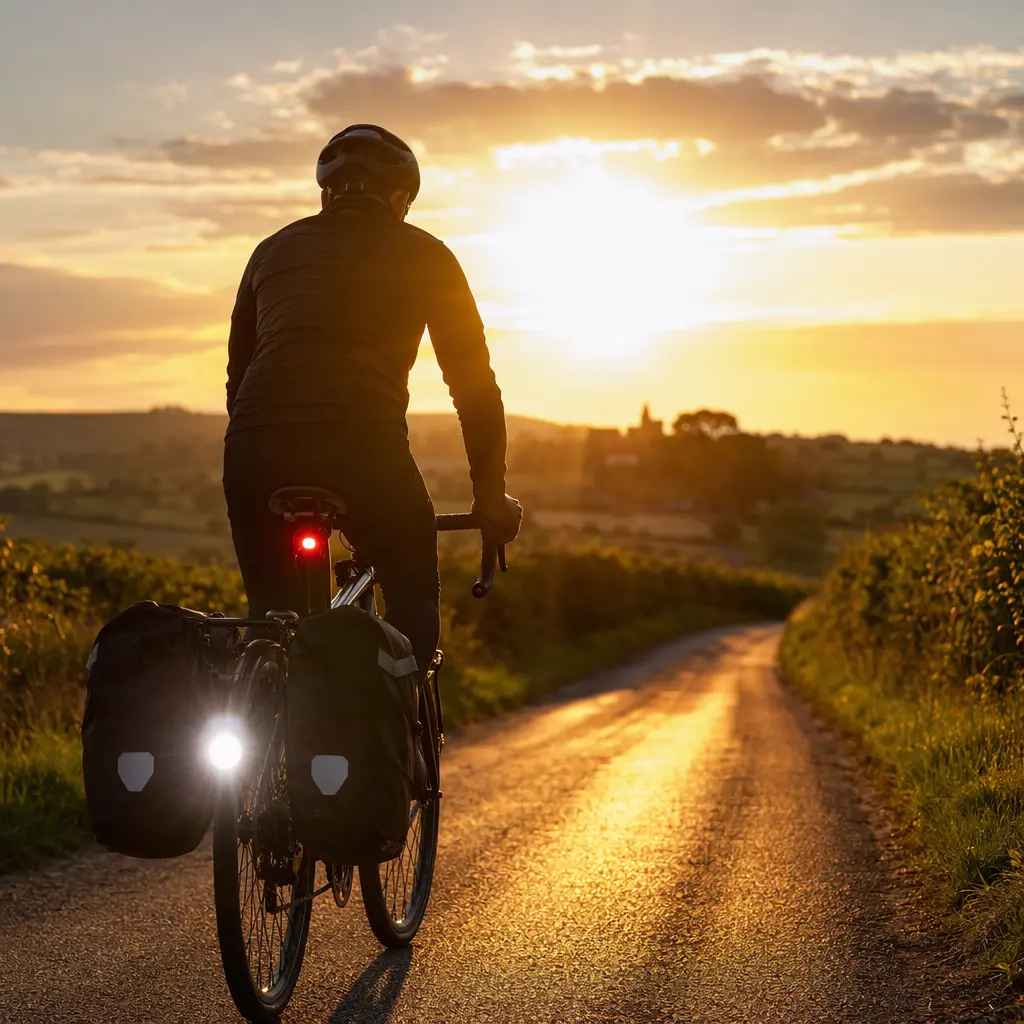
Spending more than £100 on a bike accessory can feel hard to justify — especially when cheaper options exist. But some upgrades genuinely improve safety, comfort and long-term reliability, while others are mostly about convenience or aesthetics. This guide separates the worthwhile investments from the nice-to-haves, helping UK cyclists spend wisely.
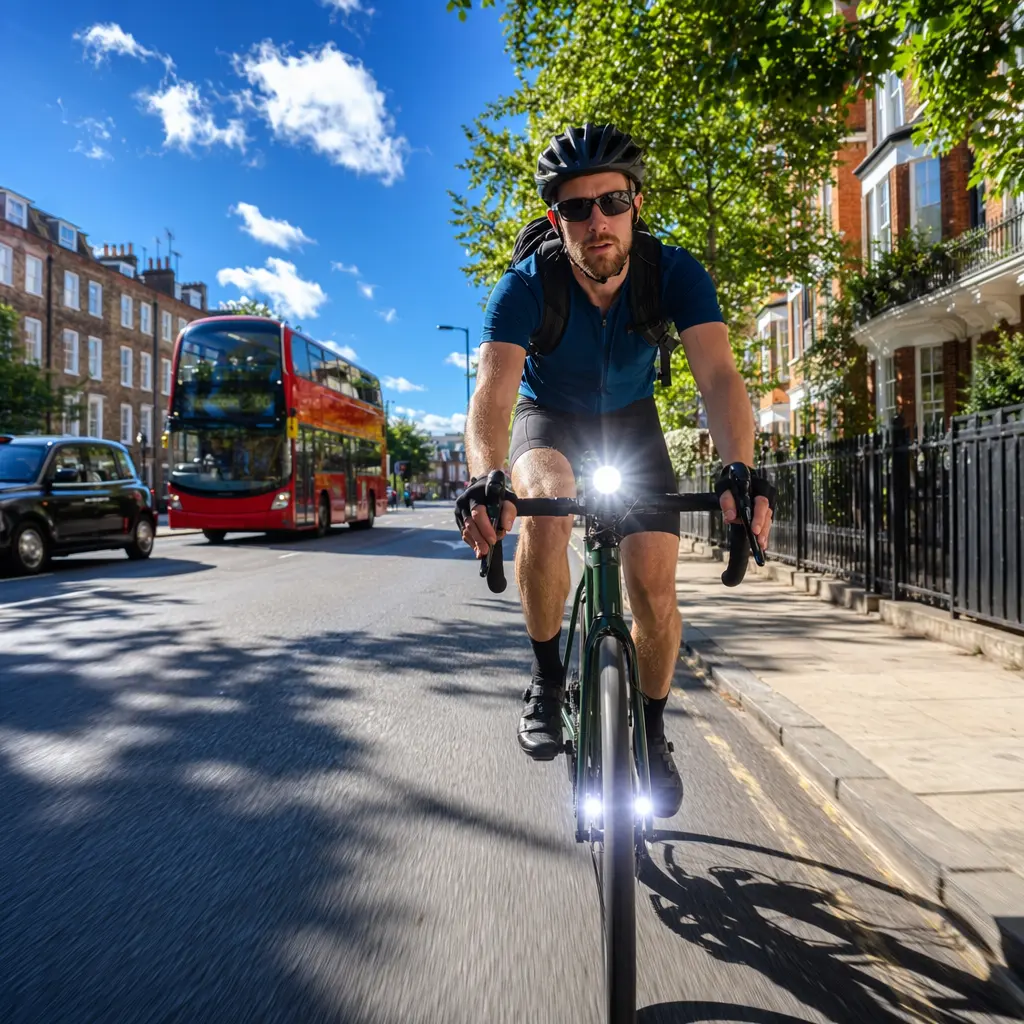
What to look for
At the £100+ level, accessories should offer clear functional gains, not just marginal improvements. Focus on durability, real-world performance and how often you’ll rely on the item during normal riding.
- Safety impact: lighting output, helmet protection ratings, or braking-related components
- Comfort gains: reduced vibration, pressure relief, or weather protection
- Build quality: stronger materials, weather sealing, and longer warranties
- Ease of use: quick mounting, intuitive controls, minimal maintenance
- Longevity: parts that outlast cheaper versions and cope with daily riding
- Compatibility: fit with your bike, riding style and accessories like panniers or mudguards
Budget and what you're getting
Once you cross the £100 mark, you’re usually paying for reliability rather than raw performance. Brighter lights don’t just look impressive — they maintain output for longer and cope better with rain and cold. Saddles and seatposts use better materials to manage pressure and vibration. However, not every category scales well with price, and some accessories offer diminishing returns once basic needs are met.
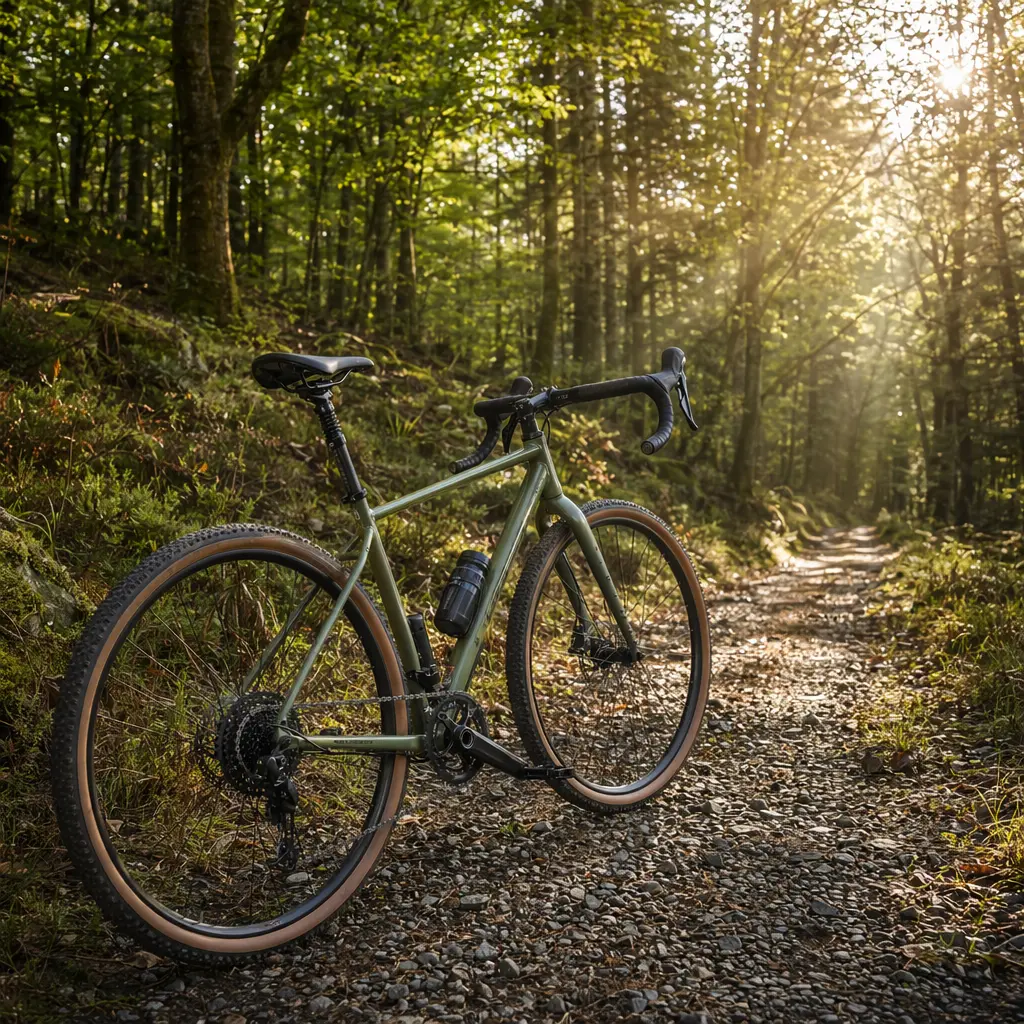
Standout categories or types
Some accessory categories consistently justify spending over £100. High-quality lights are a prime example: they offer better beam patterns, longer runtimes and improved visibility in traffic. A well-designed helmet can also be worth the upgrade if it offers advanced impact protection, better ventilation and improved fit systems.
Comfort-focused upgrades can make sense for regular riders. Premium saddles, suspension seatposts and high-end grips or bar tape can reduce fatigue on longer rides or rough surfaces. By contrast, items like carbon bottle cages or ultra-light tools rarely deliver meaningful benefits unless weight savings are a specific priority.
Frequently asked questions
Are expensive bike lights really safer?
Often, yes. Higher-end lights maintain brightness for longer, have better side visibility and cope better with wet or cold conditions. This can make a real difference for commuting or winter riding.
Is a £100+ saddle worth it?
It depends on fit. A well-matched saddle can dramatically improve comfort, but price alone doesn’t guarantee suitability. Shape and width matter more than materials.
Do premium locks justify the cost?
For urban riders, yes. Stronger locks resist common theft methods for longer, reducing risk when locking up in public spaces.
What accessories don’t need a big budget?
Items like basic pumps, bottle cages and multi-tools usually perform well at lower prices. Spending more rarely brings major functional gains.
When upgrading bike accessories over £100, focus on safety-critical and comfort-critical items first. If an upgrade changes how confidently or comfortably you ride, it’s often money well spent. For everything else, solid mid-range options usually offer the best value.
Find these on Amazon
As an Amazon Associate, CheapBikes earns from qualifying purchases.