Bike accessories that improve safety most in winter
A buyer’s guide to winter cycling safety: the lights, tyres and visibility upgrades that make the biggest difference on dark, wet UK roads—without overspending.
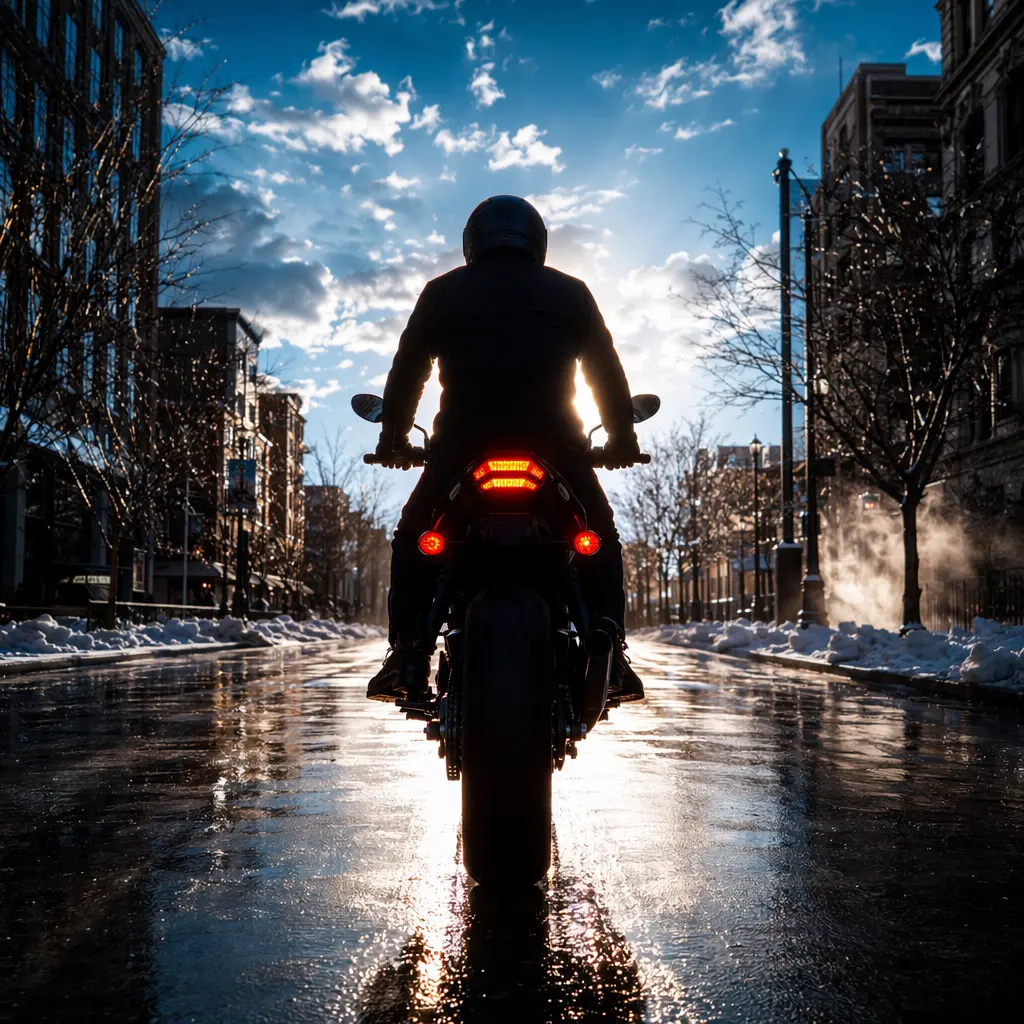
Winter riding brings shorter days, wet roads and lower grip. The good news is that you don’t need a new bike to stay safe—targeted accessories can make a bigger difference for far less money. This guide focuses on the winter upgrades that matter most for UK conditions, with a value-first approach and a total spend that can stay well under £300.
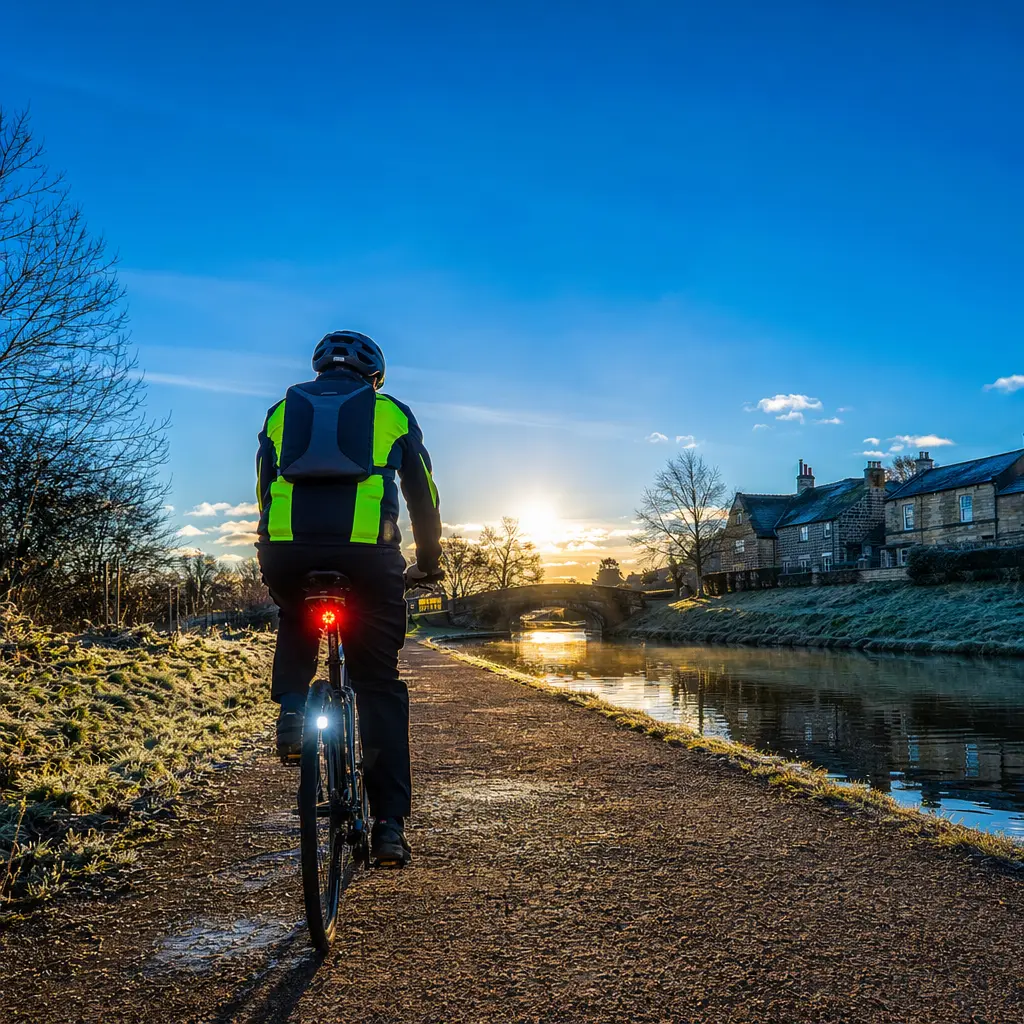
What to look for
Safety accessories work best as a system. Lights help you be seen and see ahead, tyres keep you upright, and visibility upgrades make you stand out in poor weather. When choosing, prioritise reliability, weather resistance and ease of use—winter riding is hard enough without fiddly kit.
- Lights: Sufficient brightness for unlit roads, wide beam pattern, reliable mounts, and good battery life in cold weather.
- Tyres: Winter-appropriate rubber compound, puncture protection, and tread suited to wet tarmac and debris-strewn lanes.
- Visibility: High-visibility colours, reflective panels, and 360° visibility from multiple angles.
- Power and charging: USB charging is convenient, but check winter runtimes; cold reduces battery performance.
- Compatibility: Tyres that fit your rim width, lights that clear mudguards and racks.
- Weatherproofing: Look for solid seals and splash resistance for persistent rain.
Budget and what you're getting
Under £300 is plenty for meaningful safety gains if you spend it in the right places. Expect to cover a strong light set, a pair of quality winter tyres, and at least one high-impact visibility upgrade. Trade-offs at this price usually involve weight and premium features rather than core safety. Ultra-cheap lights may quote big lumen numbers but deliver poor beam control or short runtimes, while bargain tyres often skimp on puncture protection. Aim for proven basics rather than flashy extras.
Standout categories or types
Lights are the single biggest winter upgrade. For urban riding with street lighting, a strong front light that makes you conspicuous is key, paired with a bright rear light featuring multiple modes. For unlit roads or towpaths, look for a front light with a shaped beam that puts light on the road without wasting it upwards.
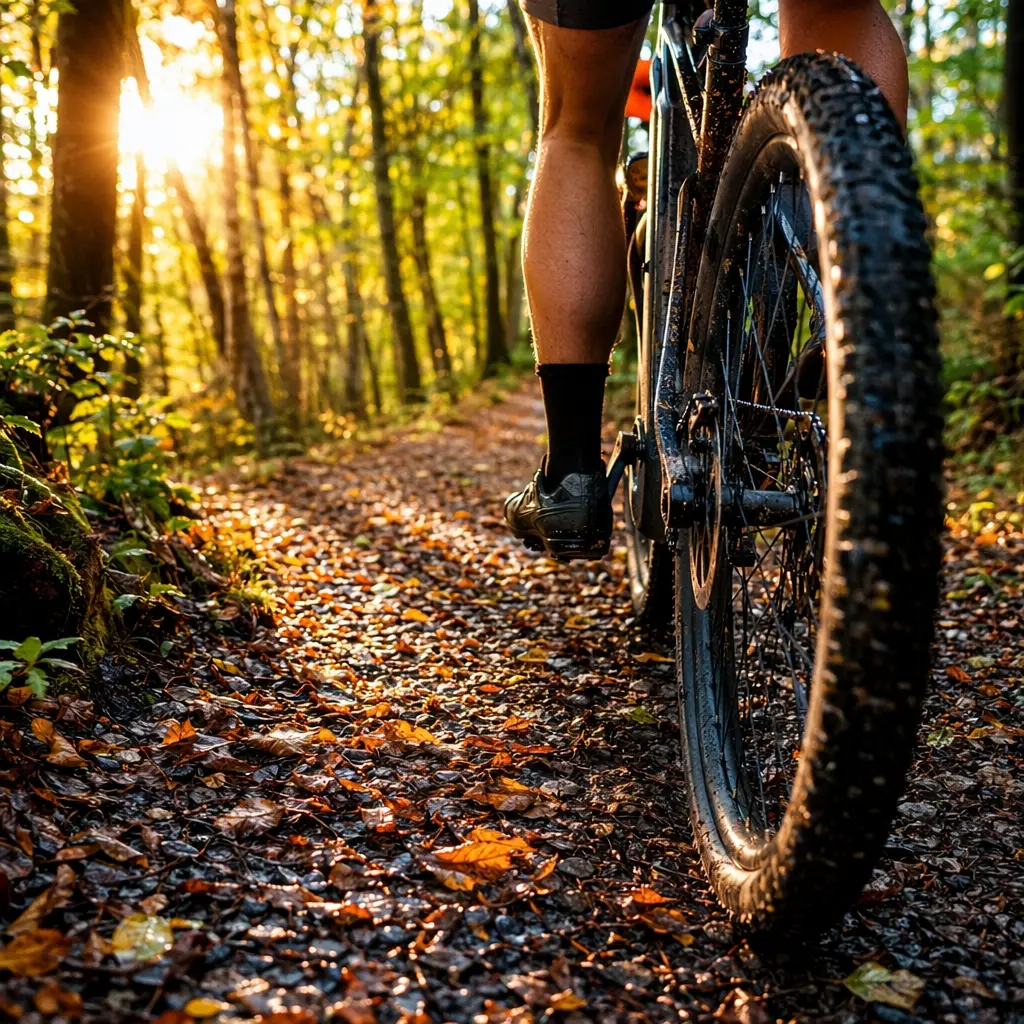
Tyres come next. Winter-specific road tyres use softer compounds that grip better in the cold and often add puncture protection for flints and grit. For hybrids and commuters, slightly wider tyres at lower pressures improve comfort and control on wet surfaces. Studded tyres are a niche option for icy conditions but are usually overkill for most UK winters.
Visibility accessories round things out. A high-visibility gilet with reflective strips, reflective ankle bands, or wheel reflectors add movement-based visibility that drivers notice sooner than a static patch. These items are inexpensive and work even if a light fails.
Frequently asked questions
How bright should my bike lights be in winter?
For being seen in towns, a front light around the mid-hundreds of lumens with a wide beam is usually sufficient, plus a bright rear light. For unlit routes, you’ll want more output and better beam control to light the road ahead without dazzling oncoming traffic.
Are winter tyres really worth it?
Yes, for regular winter riding. Softer rubber grips better in the cold, and added puncture protection reduces roadside stops in bad weather. They won’t perform miracles on ice, but they do improve confidence on wet, dirty roads.
Do I need studded tyres for UK winters?
Usually not. Studded tyres excel on sheet ice and compacted snow, which are relatively rare in much of the UK. For most riders, quality winter tyres and sensible route choices are enough.
Is high-vis clothing better than lights?
They do different jobs. Lights ensure you’re seen in the dark; high-vis and reflective items boost daytime and low-light visibility and help drivers judge your movement. The safest setup uses both.
How can I make batteries last longer in the cold?
Charge lights fully, avoid storing them outside overnight, and use steady modes when possible. Cold reduces battery capacity, so allow extra margin on longer rides.
Winter cycling safety is about stacking small advantages. Good lights help you be seen, the right tyres keep you upright, and visibility accessories add a final layer of protection. Chosen carefully, these upgrades fit comfortably under £300 and pay back every dark, wet mile.
Find these on Amazon
As an Amazon Associate, CheapBikes earns from qualifying purchases.