Best Bike Locks Under £100 for UK Cities
A buyer’s guide to bike locks under £100 for UK cities. Learn what Sold Secure ratings really mean, which lock types suit urban parking, and where cheaper locks tend to fail.

In UK cities, bike theft is common enough that a lock is not an optional extra. With a budget under £100, the challenge is choosing a lock that offers real protection rather than a false sense of security. This guide explains what the security ratings actually mean, which lock types work best on busy streets, and where cheaper designs are most likely to let you down.
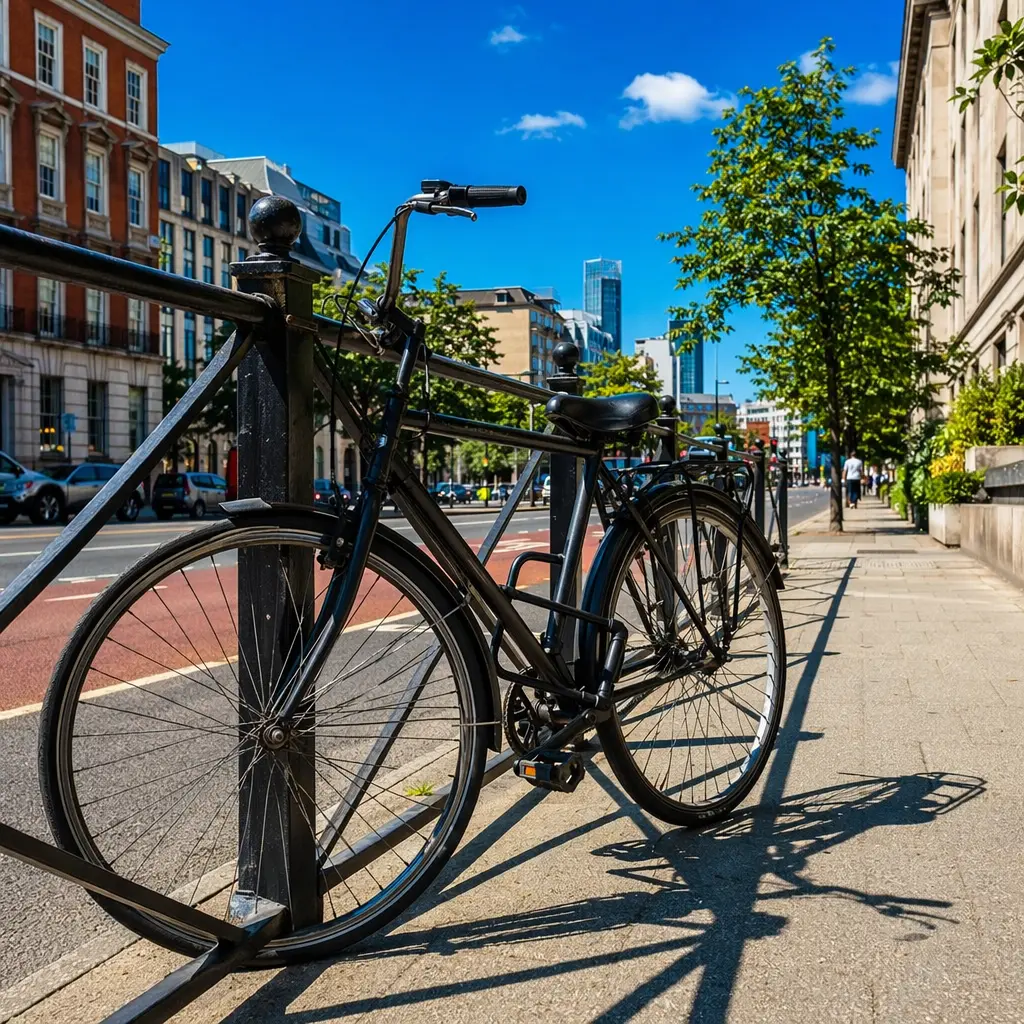
What to look for
A good bike lock balances security, practicality and weight. Under £100, you should expect a serious deterrent to opportunist thieves, but not total immunity. Focus on proven standards and sensible design rather than marketing claims.
- Security rating: Look for Sold Secure Bronze, Silver or Gold. Bronze suits short stops in lower-risk areas; Silver is a strong baseline for city commuting; Gold offers the highest protection but is heavier.
- Lock type: D-locks and heavy chain locks generally resist attacks better than cables. Cables are best used as secondary locks only.
- Material and construction: Hardened steel shackles or links resist bolt croppers better than thinner, softer steel.
- Size and fit: A lock should be small enough to limit leverage but large enough to secure the frame (and ideally a wheel) to an immovable object.
- Weight and portability: Heavier usually means stronger, but consider whether you will actually carry it every day.
- Keys vs combination: Keyed locks are usually stronger at this price; combinations are convenient but can be a weak point on cheaper models.
Budget and what you're getting
Under £100 is a sensible budget for everyday urban cycling. At this level, you can expect hardened steel, a recognised security rating, and decent resistance to hand tools. The trade-offs are weight and absolute resistance to power tools. No lock in this price range will reliably stop a determined thief with an angle grinder, but better locks increase the time, noise and visibility of an attack — often enough to make thieves move on.
Standout categories or types
Within a £100 budget, most good options fall into a few clear categories. Understanding the strengths and weaknesses of each helps you choose the right compromise for your riding.
- D-locks (U-locks): Usually the best security per pound. Compact, stiff and hard to attack with bolt croppers. Limited internal space can make locking to wide objects tricky.
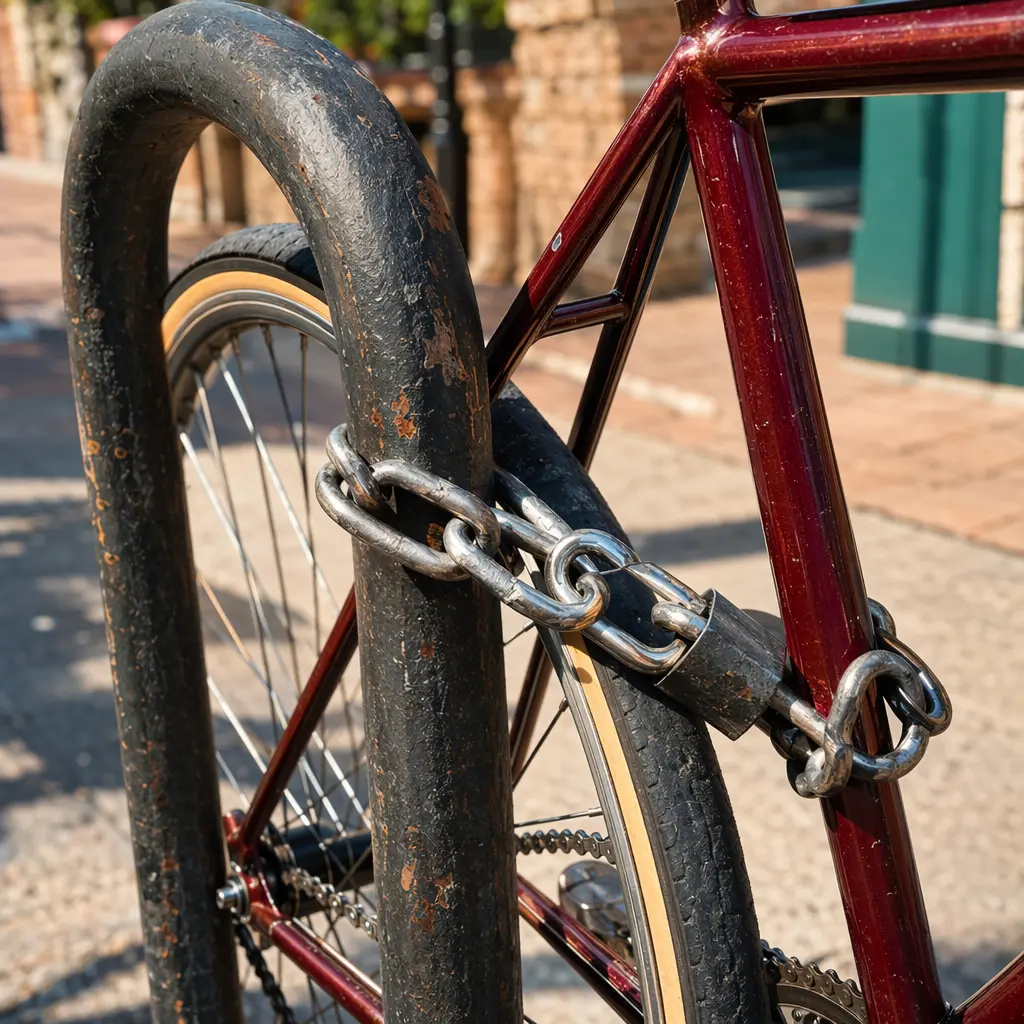
- Chain locks: Very flexible and easier to use in awkward parking spots. Good models are heavy, and cheap chains with thin links are easy targets.
- Folding locks: Convenient to carry and quick to use, but under £100 they tend to offer only moderate security. Better than a cable, worse than a solid D-lock.
- Cable locks: Lightweight and cheap, but easily cut. Best used only as a secondary lock for wheels or accessories.
Frequently asked questions
What does Sold Secure actually test?
Sold Secure is an independent UK scheme that tests locks against specific tools and attack times. Bronze, Silver and Gold indicate increasing resistance. It’s not a guarantee, but it’s far more reliable than vague claims like “military grade”.
Is a Gold-rated lock worth it under £100?
Yes, if you’re leaving a bike regularly in a city centre. Gold-rated locks at this price will be heavy and sometimes bulky, but they offer the best deterrent short of spending much more.
Are combination locks less secure than keys?
At the budget end, usually yes. Combination mechanisms can be a weak point, and cheaper dials are vulnerable to guessing or forcing. Keyed locks tend to be simpler and stronger.
Can any lock stop an angle grinder?
No portable lock under £100 can reliably stop a powered angle grinder. The goal is to slow the attack and increase the risk to the thief, not to be completely unbreakable.
Should I use more than one lock?
Using two different types of lock can help. For example, a D-lock for the frame and a secondary cable or chain for the wheels increases time and effort for a thief.
For UK city cycling, a well-chosen lock under £100 can offer strong, sensible protection when used properly. Prioritise recognised security ratings, solid construction and good locking habits, and you’ll dramatically reduce the chances of coming back to an empty stand.
Find these on Amazon
As an Amazon Associate, CheapBikes earns from qualifying purchases.