Vitus Nucleus: the budget hardtail that raised the bar
The Vitus Nucleus became a reference point for affordable mountain bikes in the UK, mixing modern trail geometry with sensible kit at prices that made proper off-road riding accessible.

The Vitus Nucleus arrived at a time when affordable mountain bikes often came with awkward geometry, heavy frames and components that struggled once trails became rougher. Vitus changed that formula. Sold mainly through online retail channels and aimed squarely at riders who wanted a genuine trail-ready hardtail without spending four figures, the Nucleus quickly built a reputation in the UK for delivering far more capability than its price bracket suggested. For riders moving beyond canal paths and park loops, it became one of the most talked-about entry points into proper mountain biking.
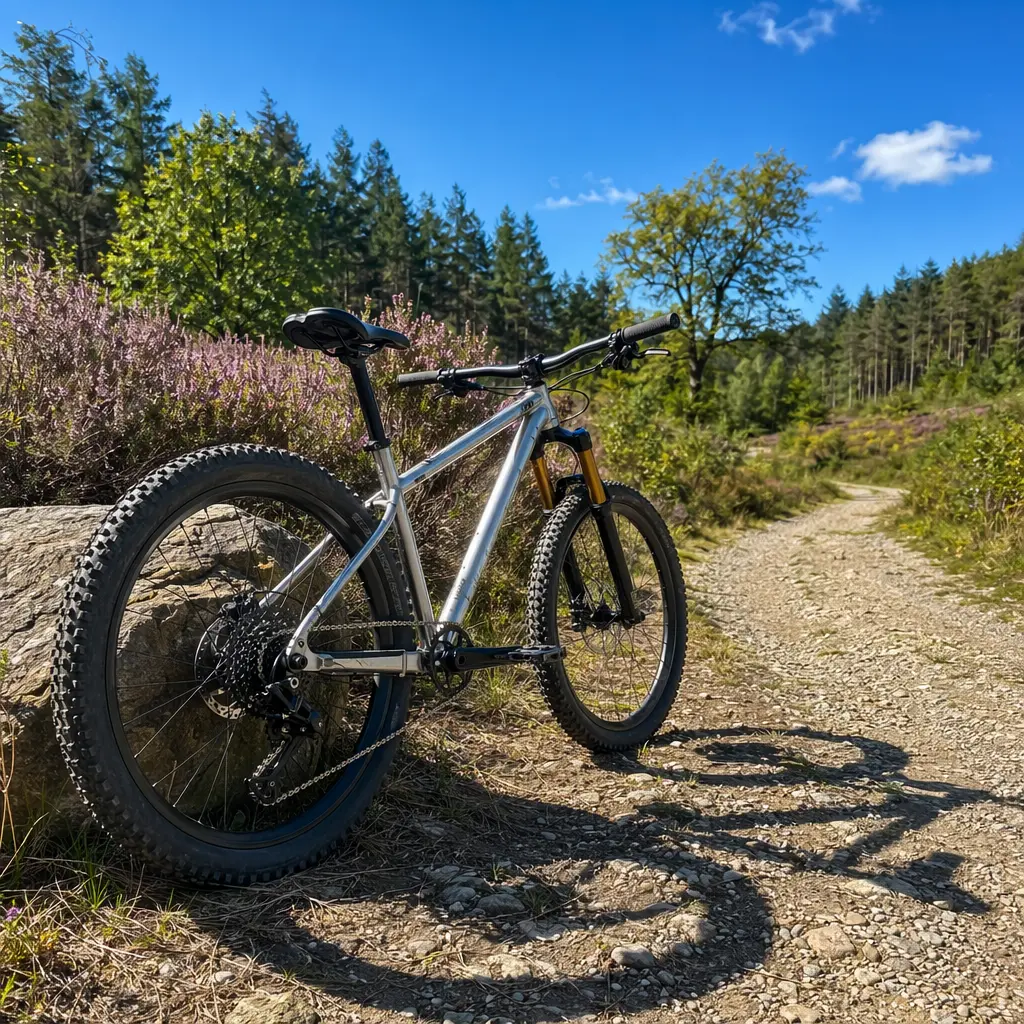
Where it came from
Vitus has long been associated with value-focused bikes, but the Nucleus helped push the brand into mainstream mountain-bike conversations in Britain. Distributed heavily through Chain Reaction Cycles and Wiggle during its rise, the bike benefited from the online-direct model: fewer showroom costs, more budget spent on the frame and components. That mattered in a category where a small improvement in fork quality or braking performance can completely change how a bike rides.
The Nucleus was positioned as an affordable hardtail for riders who wanted modern trail-bike handling without stepping into specialist-bike-shop pricing. Rather than chasing flashy specifications, Vitus concentrated on fundamentals: a confident frame shape, sensible wheel sizes, wide handlebars and dependable finishing kit. In the UK market, where muddy trail centres, rooty woodland loops and rough bridleways quickly expose weak bikes, that approach resonated.
Why it works
What made the Nucleus stand out was how balanced it felt for the money. Earlier budget hardtails often had steep steering angles and cramped riding positions that felt nervous on descents. The Nucleus adopted more modern trail geometry, giving riders a longer front end and slacker steering that inspired confidence without becoming cumbersome on climbs or flatter routes.
It also avoided many of the cost-cutting traps common at entry level. Most versions came with hydraulic disc brakes rather than basic mechanical systems, wide-ratio drivetrains suited to steep UK climbs, and suspension forks that were at least capable of handling repeated trail use. Tyre clearance and wheel choices reflected real off-road priorities rather than supermarket-bike compromises.
- Modern trail-oriented geometry that feels stable on descents
- Hydraulic disc brakes on many versions for stronger wet-weather control
- Wide handlebars and short stems for confident steering
- Clearance for proper off-road tyres suited to muddy UK conditions
- Aluminium frame designed around practical trail riding rather than pure leisure use
- Typically available in multiple wheel sizes depending on frame size and trim
Who it's for
The Nucleus suits riders who want a genuine mountain bike without drifting into enthusiast-level spending. It works particularly well for beginners heading to trail centres for the first time, returning riders replacing older hardtails, or commuters who also want something capable at weekends. Its handling is forgiving enough for newer riders but competent enough that many owners keep riding them long after progressing beyond beginner status. On the used market, older examples can still represent solid value, while newer or cleaner bikes generally sit in the affordable-to-midrange hardtail bracket, typically around the cost of a decent family hybrid or entry gravel bike.

Variants and what to look for today
The Nucleus family generally followed a familiar pattern: entry-level trims with simpler suspension and drivetrains, mid-range versions with improved forks and lighter components, and higher trims aimed at riders spending more time on technical trails. Across the range, the frame remained the key selling point. Even lower-spec versions usually shared the same core geometry and overall character.
When buying second-hand, condition matters more than trim level. A well-maintained lower-spec Nucleus is often a better buy than a neglected higher-spec version. Suspension forks should move smoothly without excessive play or oil leakage, while drivetrain wear can quickly add unexpected costs. Because many Nucleus bikes were ridden properly off-road, inspect the frame carefully around welds, chainstays and the underside of the down tube for crash damage or heavy impacts.
- Entry trims often focused on durability and affordability
- Mid-range versions usually added better suspension performance
- Higher trims tended to include lighter wheels and upgraded drivetrains
- Check wheel bearings and headset play on heavily used bikes
- Inspect brake rotors for warping and signs of poor maintenance
- Look for frame protection marks from transport racks or trail impacts
Frequently asked questions
Is the Vitus Nucleus suitable for beginners?
Yes. One reason the Nucleus became popular was its approachable handling. It feels stable and predictable on typical UK trails without demanding advanced riding skills, making it a common first proper mountain bike.
Can the Vitus Nucleus handle trail centres?
In most cases, yes. The bike was designed with trail riding in mind rather than casual cycle-path use. Tyre choice and suspension quality vary between trims, but the overall platform is capable on red-grade trail centre routes and general woodland riding.
Are Vitus bikes still popular in the UK?
Vitus developed a strong following in Britain thanks to its value-focused approach and online availability. The Nucleus in particular became widely recognised among riders looking for affordable but genuinely capable mountain bikes.
What upgrades make the biggest difference?
Tyres are usually the most noticeable improvement for UK riding conditions, especially in mud or winter slop. Riders also commonly upgrade pedals, grips and eventually the suspension fork as skills and riding intensity increase.
The Vitus Nucleus succeeded because it treated affordable riders seriously. Instead of building a bike that merely looked like a mountain bike, Vitus produced a hardtail that could genuinely cope with British trails while remaining attainable for newcomers. Even as the market shifted towards pricier trail bikes and full-suspension setups, the Nucleus remained a reminder that smart geometry and sensible specification often matter more than flashy branding or inflated pricing.
Find these on Amazon
As an Amazon Associate, CheapBikes earns from qualifying purchases.