Kona Rove: the steel-leaning all-roads bike that arrived early
Long before gravel bikes filled UK cycle shops, the Kona Rove was already mixing road miles, towpaths and rough lanes with practical steel frames and relaxed all-day geometry.
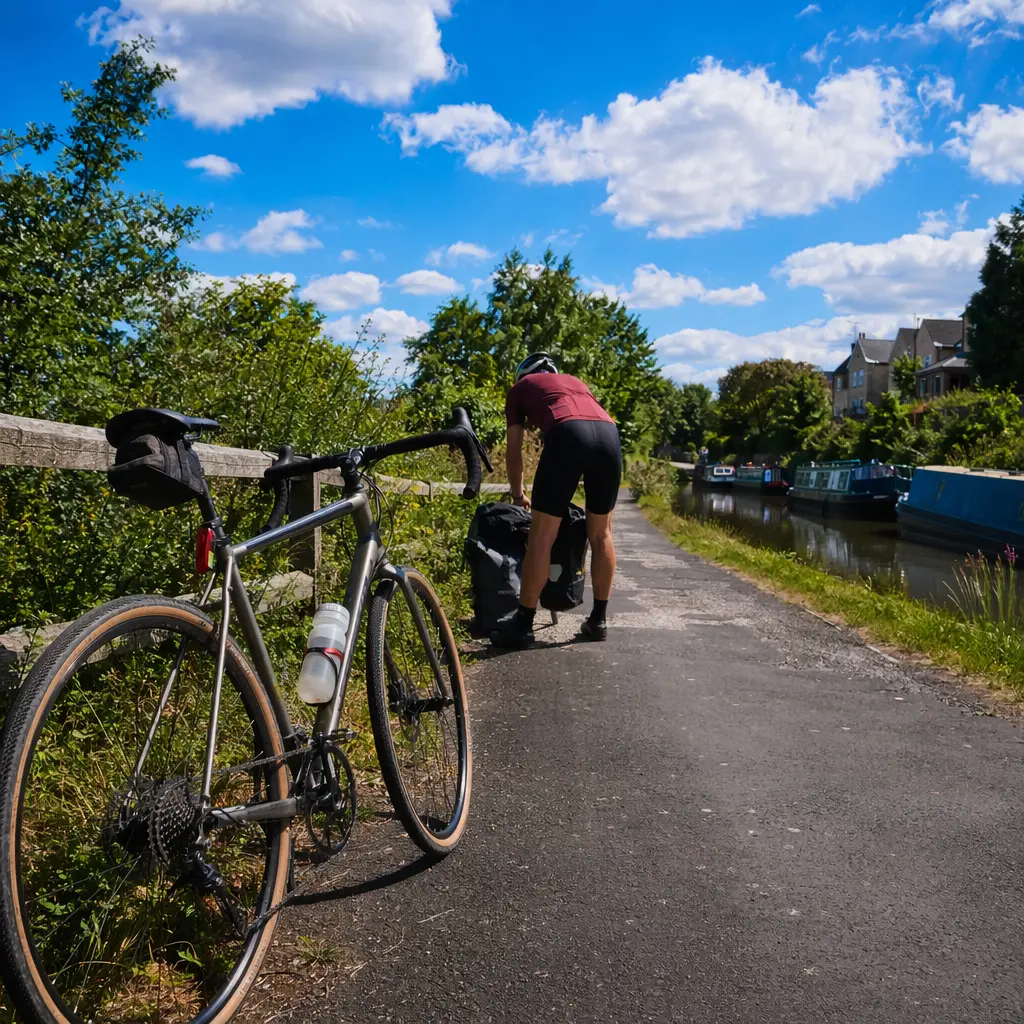
The Kona Rove landed before most riders in Britain were talking about ‘gravel’ as a category. At the time, road bikes were getting racier, hybrids were staying practical, and cyclocross bikes still felt niche outside winter club racing. The Rove quietly sat in the middle: drop bars, room for wider tyres, steady handling and a steel-first attitude that made rough roads feel less punishing. Over time, that recipe turned from curiosity into a template that much of the modern all-roads market would follow.

Where it came from
Kona has long had a habit of sitting slightly outside cycling trends. The Canadian-founded brand built much of its reputation on mountain bikes and practical adventure-focused machines rather than pure racing kit, and the Rove followed that thinking. It arrived as an all-roads drop-bar bike for riders who wanted one machine to handle battered lanes, towpaths, winter commuting and longer weekends away.
In the UK market, the Rove quickly found a home among riders put off by aggressive road-bike geometry and narrow tyres. It was sold through independent bike shops rather than mass retail chains, and it appealed to commuters, touring riders and early adopters of mixed-surface riding alike. Even before gravel events and bikepacking became mainstream talking points, the Rove already looked ready for them. Its practical touches — mounts for mudguards and racks, generous tyre clearance and stable steering — made it feel usable in real British conditions rather than just on smooth summer roads.
Why it works
A big part of the Rove’s appeal is that it rarely tries too hard. Most versions have leaned towards steel frames, giving the bike a slightly springy, forgiving feel over rough surfaces and potholes. Combined with a more upright riding position than many endurance road bikes, that makes long rides less demanding on wrists, shoulders and lower backs. Riders coming from hybrids often find the transition into drop bars easier than expected.
The geometry has usually prioritised stability over razor-sharp reactions. That means the Rove feels calmer with luggage, more predictable on loose surfaces and less twitchy in city traffic. It is not a race-focused gravel bike, and that is partly why it has endured. UK riders dealing with broken tarmac, canal paths and patchy bridleways often value comfort and confidence more than all-out speed.
- Steel-focused frame and fork options on many models
- Clearance for wider tyres suited to mixed UK surfaces
- Mounts for mudguards, panniers and bikepacking bags
- Relaxed geometry aimed at long-distance comfort
- Disc brakes becoming standard across most generations
- Equally comfortable on lanes, towpaths and light gravel tracks
Who it’s for
The Rove suits riders who want one bike to cover several jobs without becoming overly specialised. It makes sense for commuters mixing road and rough shortcuts, weekend riders exploring bridleways, or touring cyclists carrying light luggage across varied terrain. It also appeals to cyclists moving away from traditional road bikes in search of more comfort and tyre clearance. Budget-wise, used examples can often be found from around £500 upward depending on age and specification, while newer steel-equipped models tend to sit in the mid-range adventure-bike market rather than bargain territory.
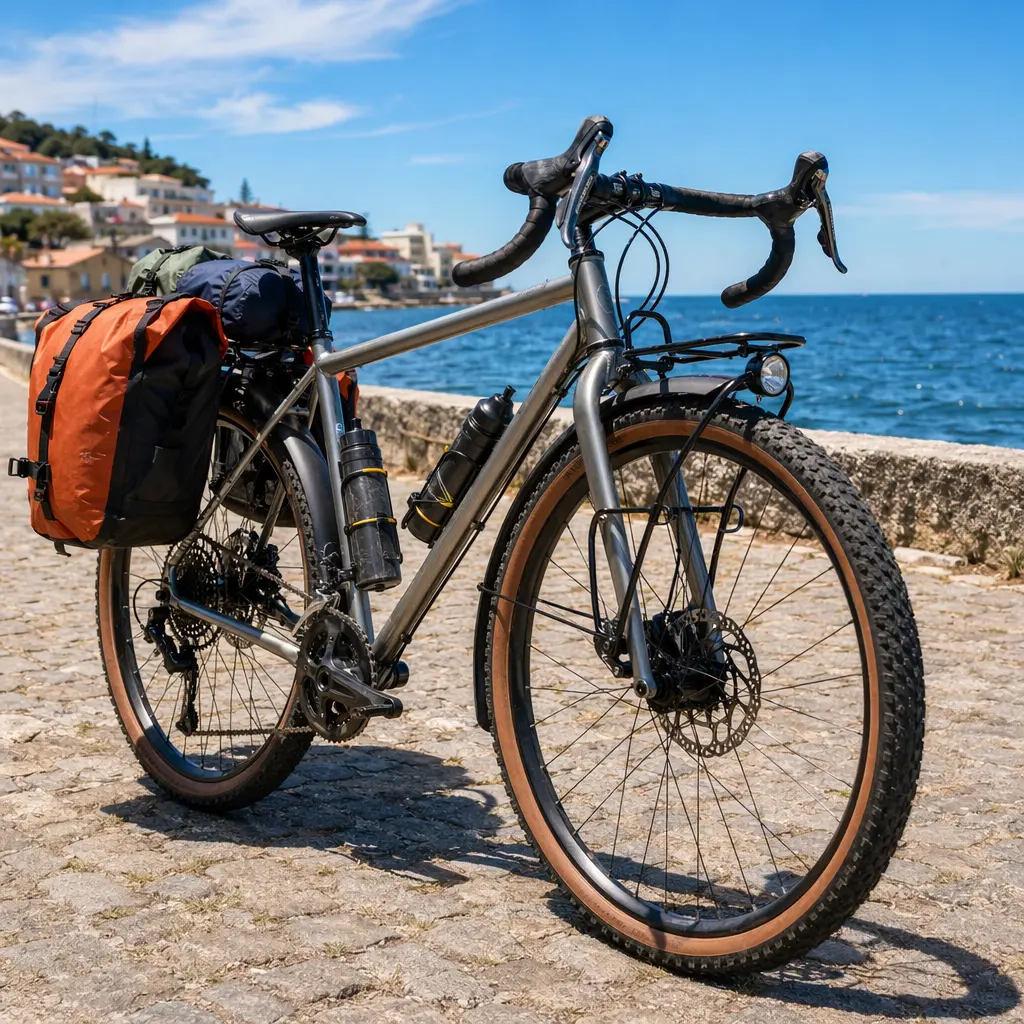
Variants and what to look for today
The Rove family has covered several trims over the years, usually ranging from simpler entry-level builds through to more premium steel or adventure-ready versions. Lower-cost models often use mechanical disc brakes and straightforward drivetrain setups aimed at durability and ease of maintenance. Mid-range and higher-end versions may add lighter components, tubeless-ready wheels and upgraded gearing better suited to loaded riding or steeper off-road climbs.
Tyre clearance and mounting points are worth checking because the Rove evolved alongside the gravel category itself. Earlier bikes may have narrower clearances than current expectations, while newer versions tend to accommodate larger tyres and more luggage options. Second-hand buyers should inspect steel frames carefully for corrosion around bottle mounts, bottom brackets and inside fork areas, especially on bikes used through wet UK winters. Wheel condition also matters because gravel use and loaded riding can be hard on cheaper factory wheelsets.
- Entry trims usually focus on practicality and durability
- Mid-range versions often balance touring ability with lighter kit
- Higher-spec models may include upgraded steel tubing and wider gearing
- Check for rust, seized bolts and worn drivetrains on older bikes
- Inspect wheel true, brake condition and tyre clearance before buying
Frequently asked questions
Is the Kona Rove a gravel bike or a touring bike?
It sits somewhere between the two. The Rove has always leaned towards all-day comfort and practicality, so it overlaps with touring bikes as much as modern gravel machines. Many owners use it for commuting, light touring and bikepacking as well as mixed-surface riding.
Are steel frames heavier?
Usually, yes. Most steel Roves are not especially lightweight compared with aluminium or carbon gravel bikes. The trade-off is comfort, durability and a ride feel many cyclists prefer on rough surfaces and longer rides.
Can the Kona Rove handle UK winter commuting?
That is one of its strongest use cases. Wide tyres, stable handling and mudguard mounts suit wet roads and poor surfaces well. Like any steel bike, though, regular cleaning and rust prevention matter during salty winter months.
Is it suitable for fast road riding?
It can handle road miles comfortably, but the Rove is generally built around stability and versatility rather than outright pace. Riders focused mainly on speed may prefer a lighter endurance-road design with narrower tyres.
What keeps the Kona Rove relevant is that it still makes practical sense. Trends have shifted around it — gravel racing, ultra-light carbon frames, oversized tyres — yet the core idea remains straightforward and useful. It is a drop-bar bike designed for ordinary roads, rough shortcuts and long days out without demanding perfect surfaces or race-bike flexibility. For many UK riders, that balance is exactly why the Rove arrived early and stayed popular.
Find these on Amazon
As an Amazon Associate, CheapBikes earns from qualifying purchases.