Trek Émonda: race‑light thinking for everyday UK roads
Trek’s Émonda brought WorldTour weight targets to real‑world riding. It’s a clean, climbing‑biased road family that suits UK lanes, club runs and long days without chasing pro‑only prices.

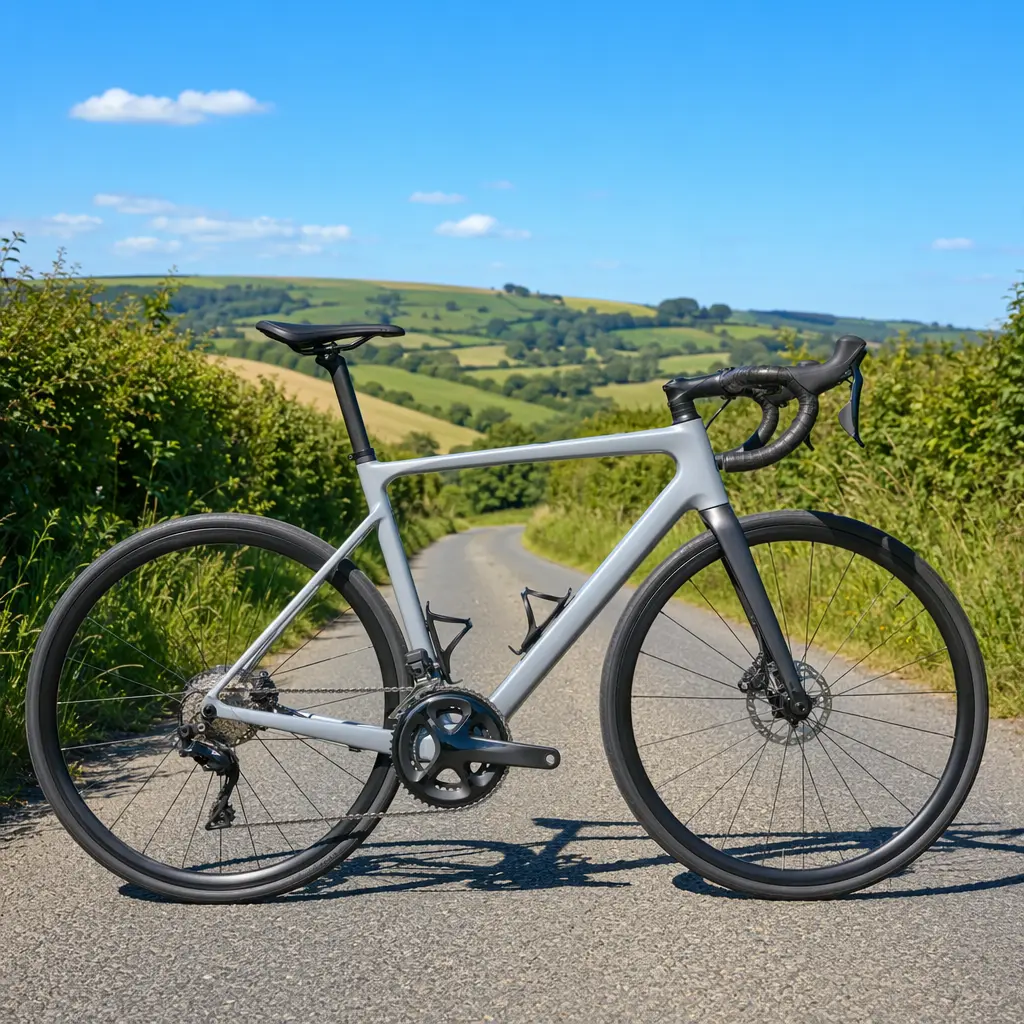
The Émonda is Trek’s answer to a simple question: how light can a sensible road bike be without becoming fragile or niche? Since its arrival, the family has pitched race‑day ideas at riders who want a lively feel on UK climbs, tidy handling on narrow lanes, and a bike that still makes sense for long weekend miles.
Where it came from
Launched in 2014, the Émonda arrived at a time when aero bikes were getting heavier and endurance bikes more relaxed. Trek carved out a third lane: a pure climber’s road bike with modern stiffness and everyday durability. It quickly became a fixture in Trek’s UK line‑up, sold through independent dealers and Trek’s own stores.
Over the years the range has evolved from rim brakes to discs, from round tubes to subtly shaped profiles, and from aluminium and carbon options to a clear, tiered family. The idea stayed the same: prioritise low weight and responsive handling, but keep geometry and clearances sensible for British roads.
Why it works
The Émonda’s appeal is in its balance. Geometry leans race‑focused without tipping into twitchy, which matters when descents include rough tarmac, farm debris and the odd damp corner. Frames are stiff enough for out‑of‑the‑saddle efforts yet forgiving enough for longer rides, helped by slim seatstays and carbon lay‑ups aimed at vertical compliance.
Spec choices typically favour light wheels, compact chainsets and sensible gearing for climbs rather than flat‑land speed. Disc‑brake versions bring predictable stopping power in wet conditions, while tyre clearances are generous enough for modern 28mm rubber—welcome on patched‑up lanes.
- Climbing‑first design with low overall weight
- Race‑leaning but usable geometry for UK roads
- Disc brakes on newer trims for wet‑weather confidence
- Room for wider tyres than old‑school race bikes
- Clean, understated look that ages well
Who it’s for
The Émonda suits riders who enjoy elevation—club riders chasing Strava segments, sportive regulars tackling hilly routes, or anyone upgrading from an endurance bike and wanting something snappier. It’s not aimed at commuters or gravel detours, but for tarmac‑only riding it feels purposeful. New prices typically span from the mid four figures down to more attainable trims, while the used market offers solid options around £1,000–£2,000 depending on age and condition.
Variants and what to look for today
The family usually splits into entry, mid and top trims, often distinguished by frame material and component level. Aluminium versions deliver the Émonda feel at a lower cost, while carbon frames shave weight and add refinement. Higher trims bring lighter wheels and electronic shifting, but the ride character stays consistent.
Buying second‑hand, focus on frame condition and wheel health rather than chasing the lightest spec. Check disc rotors for wear, make sure thru‑axles thread smoothly, and look for signs of hard racing such as chipped clearcoat around the bottom bracket. Replacement parts are standard road items, which keeps running costs reasonable.
Frequently asked questions
Is the Émonda comfortable enough for long rides?
Yes, for many riders. While it’s firmer than an endurance bike, wider tyres and sensible setup make it suitable for all‑day events. Comfort depends more on fit and tyre choice than the frame alone.
How does it compare to an aero road bike?
The Émonda prioritises weight and responsiveness over outright aerodynamics. On rolling or hilly routes it feels eager; on flat, fast roads an aero‑shaped bike may hold speed more easily.
What tyre size works best on UK roads?
Most riders settle on 28mm for a good mix of speed and comfort. Check frame clearance on older models, but newer versions are designed with modern tyre widths in mind.
Is it suitable for winter riding?
It can be, but it’s not a winter trainer by design. Limited clearance for full mudguards means clip‑ons at best. Many owners keep it for fair‑weather rides and use a separate winter bike.
The Trek Émonda endures because it sticks to a clear brief. It doesn’t chase every trend; it refines a lightweight road formula that still makes sense on British hills and lanes. For riders who value feel over flash, it remains a compelling choice.
Find these on Amazon
As an Amazon Associate, CheapBikes earns from qualifying purchases.