Specialized Turbo Levo: the e‑MTB that went mainstream
The Turbo Levo is the e‑mountain bike family that pulled assisted trail riding into the UK mainstream, blending familiar trail geometry with discreet power and everyday usability.

The Specialized Turbo Levo is one of those bike families that quietly changed the conversation. Where early e‑MTBs felt like oddities or niche tools, the Levo arrived looking and riding like a proper trail bike that just happened to help on the climbs. In the UK, it’s become a familiar sight on trail centres and bridleways, appealing to riders who want more laps, longer days, or a way to keep riding challenging terrain without it feeling like a novelty.
Where it came from
Specialized launched the Turbo Levo as part of its broader move into electric assist, but crucially it didn’t treat the Levo as a separate species. From the outset, it was pitched as a trail bike first, with geometry and suspension that mirrored non‑electric models riders already trusted. That approach resonated in the UK, where access rules and riding culture tend to favour bikes that look and behave like conventional mountain bikes.
Sold through Specialist retailers rather than big‑box stores, the Levo family has always sat towards the premium end of the e‑MTB market. It’s not about bargain pricing; it’s about reassurance. UK buyers often value dealer setup, firmware updates and aftersales support, and the Turbo Levo has been positioned to deliver that, helping it endure as e‑bikes moved from curiosity to common sight.
Why it works
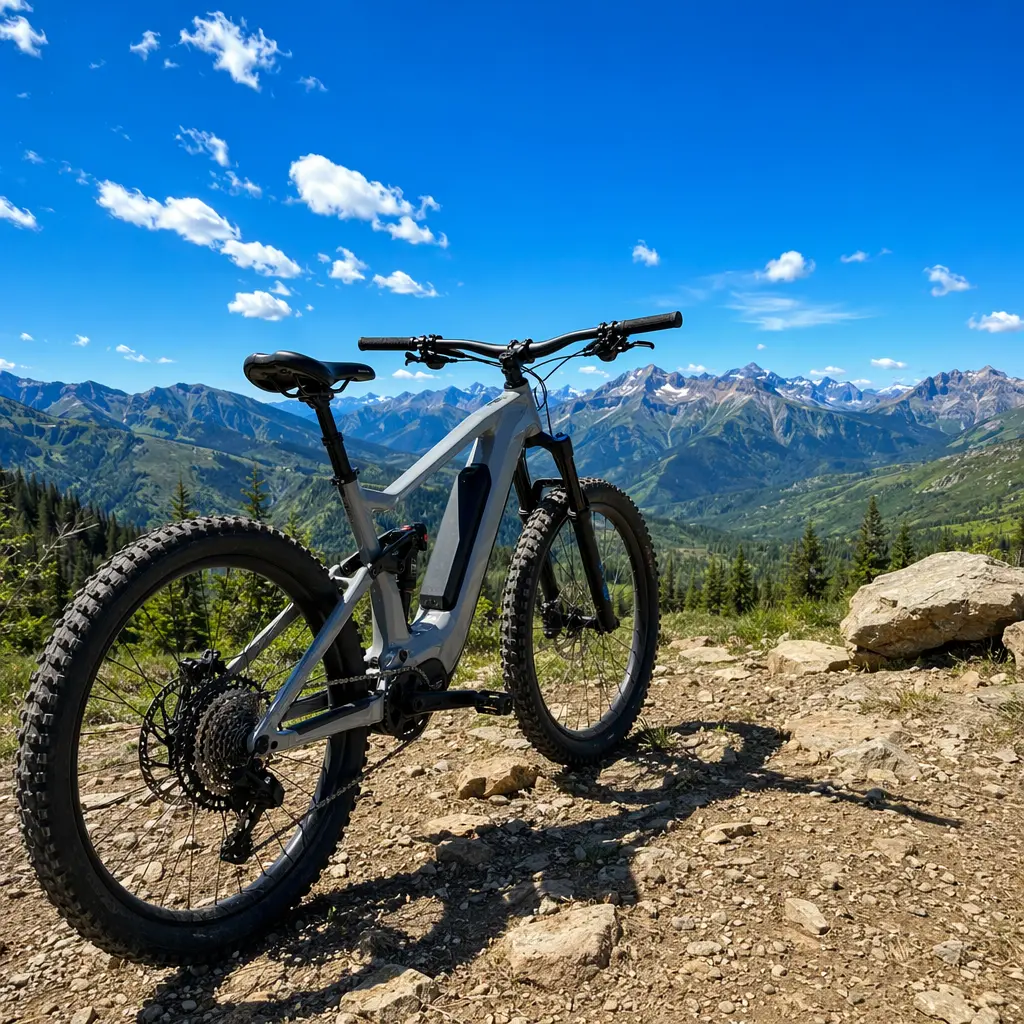
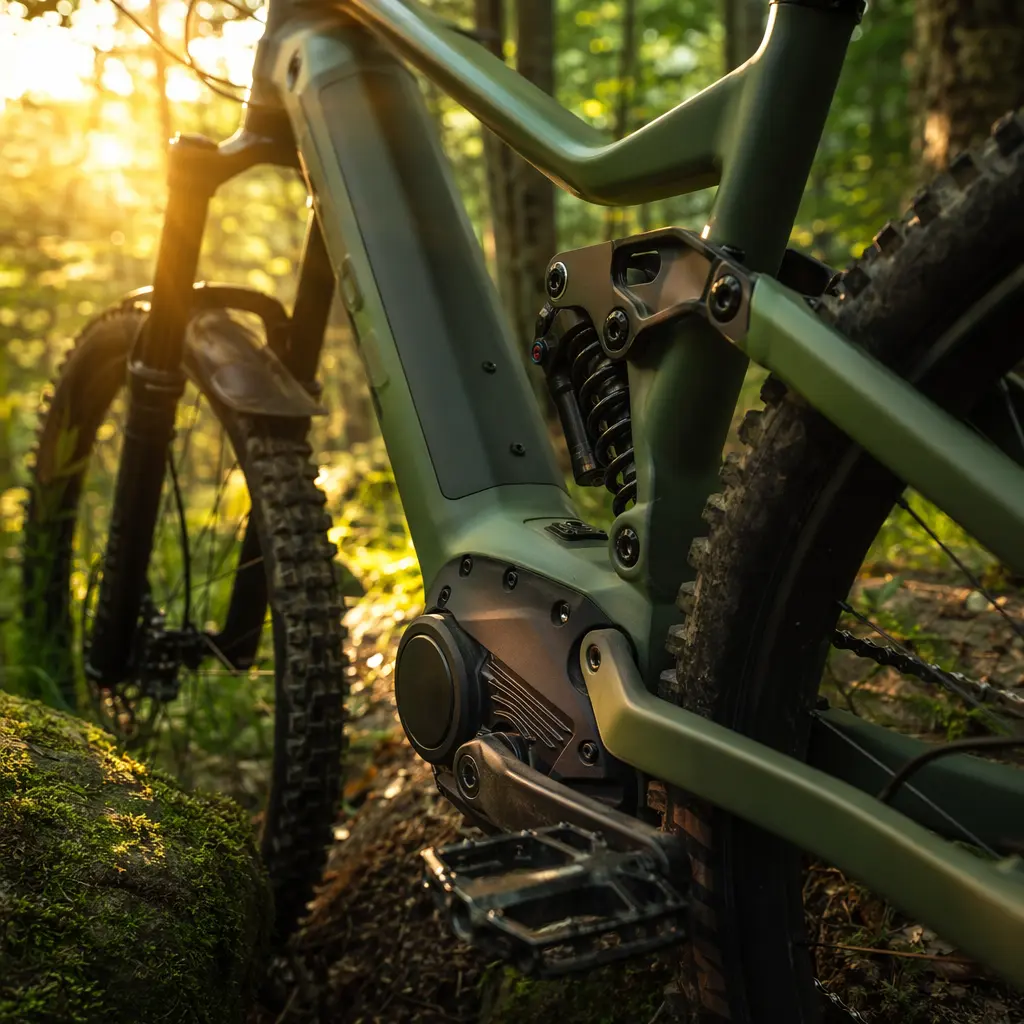
The Turbo Levo works because it feels normal in the right ways. The motor and battery are integrated into the frame, keeping proportions close to a regular trail bike and avoiding the bolted‑on look of early e‑MTBs. Geometry is modern but not extreme, striking a balance between stability on descents and manageability on tighter UK singletrack.
Component choices across the family tend to prioritise reliability over headline numbers. Suspension travel is squarely trail‑focused, braking is strong enough for heavier e‑bike weights, and tyre clearances suit proper UK mud rather than dry‑only riding. The assist is tuned to feel progressive, encouraging riders to pedal naturally rather than rely on a sudden surge.
- Trail‑bike geometry that mirrors non‑electric models
- Integrated battery and motor for a clean look
- Sturdy wheels and brakes chosen for UK conditions
- Controls and displays kept relatively simple on the bars
Who it’s for
The Turbo Levo suits riders who already enjoy trail riding but want to extend it. That might be someone fitting rides around work and family, riders returning from injury, or groups with mixed fitness levels who want to ride together without anyone being dropped. In budget terms, it sits firmly in the higher end of the market, with new prices typically in the several‑thousand‑pound bracket, though older or used examples bring it closer to more conventional trail bike spending.
Variants and what to look for today
Within the Turbo Levo family, the differences are usually about components rather than intent. Entry‑level builds focus on durable suspension and drivetrains, while mid and higher trims add lighter parts and more adjustability. Carbon frames appear higher up the range, with alloy options offering a more affordable route into the same core ride.
If you’re looking second‑hand, condition matters more than badge hierarchy. Check battery health and charging behaviour, listen for motor noise on climbs, and inspect pivots and bearings — e‑MTBs work these hard. A well‑maintained lower‑spec Levo can be a better buy than a neglected top‑end one.
Frequently asked questions
Is the Turbo Levo legal on UK trails?
As an electrically assisted pedal cycle limited to standard UK assistance rules, it’s legal where normal mountain bikes are allowed. Access still depends on local permissions, so bridleways and trail centres are the usual home.
Does it feel heavy compared to a normal trail bike?
There’s no disguising the extra weight when lifting or manoeuvring slowly, but on the trail the assistance and balanced geometry help it feel planted rather than cumbersome.
How far can you ride on a charge?
Range varies hugely with terrain, assist mode and rider input. UK trail riding usually means a solid half to full day out rather than an all‑week adventure, but it’s enough for multiple laps without anxiety.
Is it overkill for beginners?
For complete newcomers, the cost and complexity may be more than needed. For riders new to e‑MTBs but comfortable on trails, it’s approachable and forgiving rather than intimidating.
The Specialized Turbo Levo’s real achievement is normalisation. It didn’t try to reinvent trail riding; it simply added assistance in a way that fit existing habits and terrain. That’s why, years on, it still feels like a reference point rather than a curiosity.
Find these on Amazon
As an Amazon Associate, CheapBikes earns from qualifying purchases.