Raleigh Twenty: the small‑wheel classic that shrank Britain
Launched in 1968, the Raleigh Twenty made small wheels mainstream. A practical, step‑through classic that brought folding convenience to everyday British cycling decades before the commute boom.
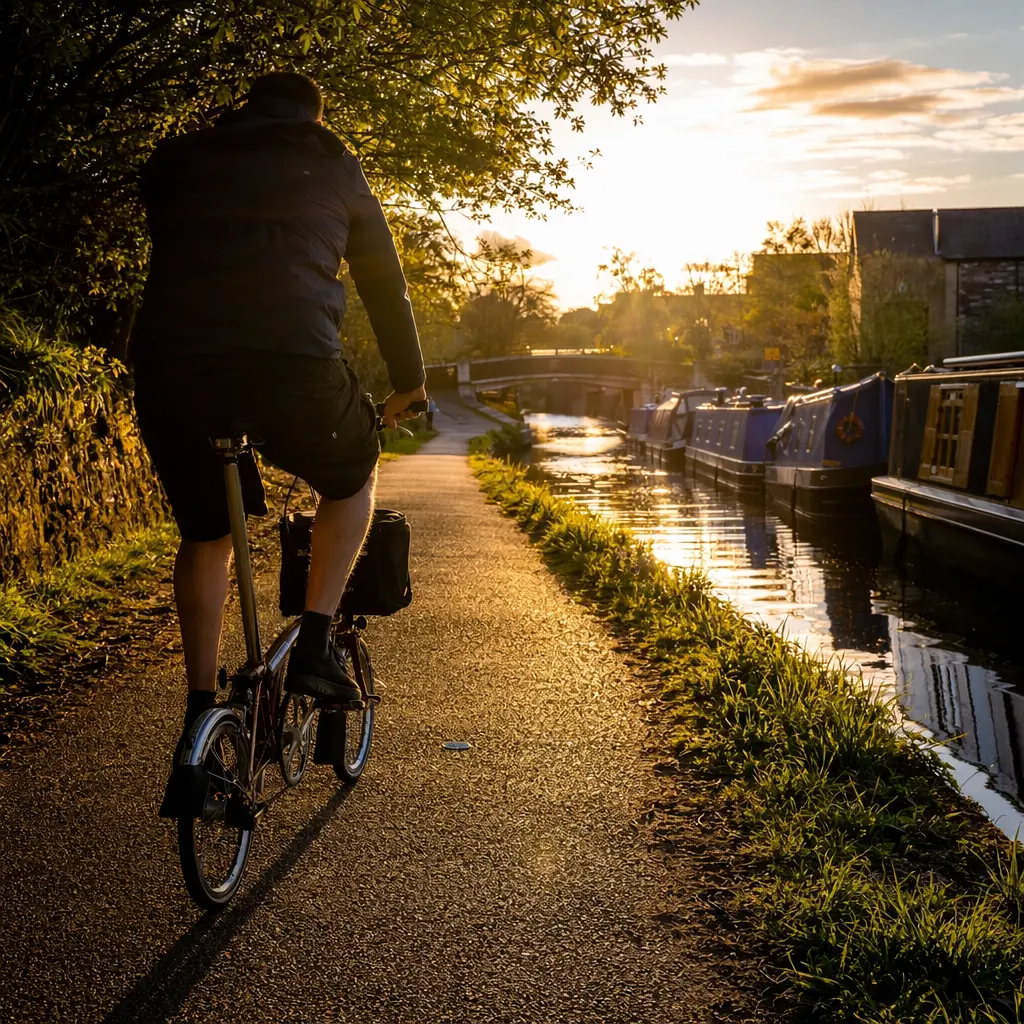
The Raleigh Twenty is one of those bikes that quietly shaped everyday life. Long before folding bikes became a commuter trend, this compact, 20‑inch wheeled runabout was finding space in British hallways, caravans and boat lockers. It wasn’t about speed or sport; it was about making cycling fit normal homes and normal journeys.
Where it came from
Introduced in 1968, the Twenty arrived at a moment when British cycling was changing. Cars were becoming affordable, storage space mattered, and the idea of a bike that could tuck away neatly had real appeal. Raleigh, then the dominant UK manufacturer, pitched the Twenty as practical modern transport rather than a novelty.
Sold through local bike shops and catalogues nationwide, the Twenty was positioned as a sensible family purchase. Its folding bars and removable seatpost shortened the bike enough to fit in a boot or cupboard, without the complexity or cost of earlier folders. For many households, it was the first ‘compact’ bike they’d ever owned.
Why it works
The Twenty’s appeal lies in its straightforward engineering. The small wheels give a low step‑through frame that’s easy to mount, while the long wheelbase keeps the ride calmer than you might expect. It feels stable at town speeds, happy on potholed streets and forgiving over kerbs.
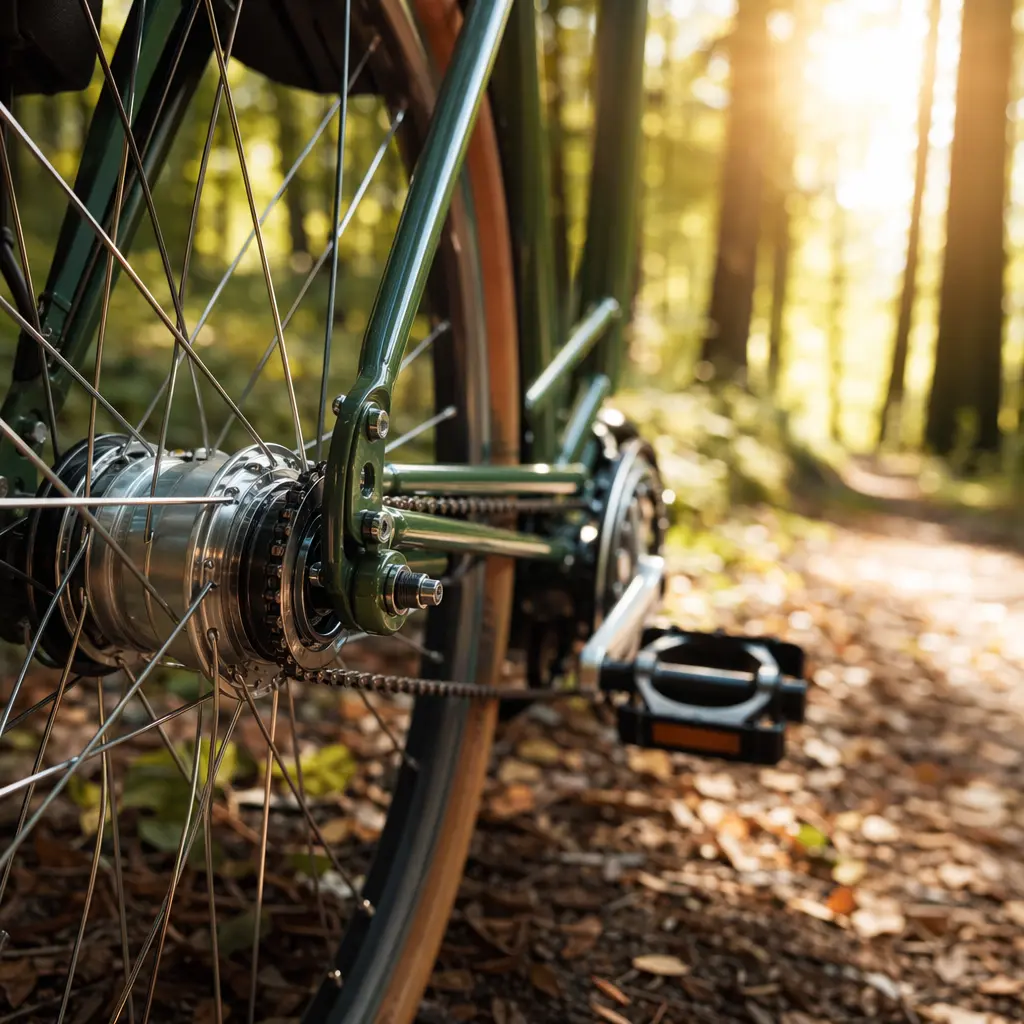
Typical builds were deliberately simple: hub gears for low maintenance, upright bars for visibility, and sturdy steel tubing built to last. It was never light, but it was durable, and that trade‑off explains why so many survive.
- 20‑inch wheels for compact storage and quick steering
- Relaxed, upright riding position
- Hub gears (often 3‑speed) for easy upkeep
- Steel frame designed for everyday knocks
- Step‑through layout on most versions
Who it’s for
Today, the Raleigh Twenty suits riders who value character and practicality over outright performance. It’s ideal for short urban trips, flat coastal promenades, campsite errands or as a station‑to‑office bike where storage is tight. Budget‑wise, expect anything from project prices in the low hundreds to restored examples creeping higher, depending on condition and originality.
Variants and what to look for today
Over its long life, the Twenty appeared in a handful of broad trims rather than rapid yearly changes. Early models kept things very simple, while later versions added different finishes or gearing options. There were also step‑through and gents‑style frames, though the former is what most people picture.
When buying now—especially second‑hand—condition matters more than age. Many bikes have been upgraded sympathetically, which can be a plus if done well.
- Check wheel rims for wear and corrosion
- Inspect the frame for cracks around hinges and joints
- Ensure hub gears shift cleanly under load
- Look for seized seatposts or handlebars from long storage
- Original parts add charm, but good modern replacements can improve usability
Frequently asked questions
Does the Raleigh Twenty really fold?
It partially folds rather than collapsing into a tiny package. The handlebars fold down and the seatpost can be removed, making it shorter and easier to store, if not train‑carry small.
Is it suitable for taller riders?
The relaxed geometry suits a wide range of heights, but very tall riders may find the reach short. Extended seatposts are common and help with leg length.
How does it compare to modern folders?
Modern folders are lighter and fold smaller, but the Twenty offers a smoother, more traditional ride feel. It’s less about speed of folding and more about everyday robustness.
Are parts still available?
Most service parts—tyres, brakes, hub internals—are easy to source. Frame‑specific items can be rarer, which is why buying a complete, sound example matters.
The Raleigh Twenty endures because it solved a real problem simply. It shrank the bicycle without overthinking it, and in doing so became part of British domestic life. For riders who appreciate utility with a dose of nostalgia, it remains quietly relevant.
Find these on Amazon
As an Amazon Associate, CheapBikes earns from qualifying purchases.