The Raleigh Stowaway: Britain’s everyday folding bike icon
A plain‑spoken look at the Raleigh Stowaway — the small‑wheel folder that slipped onto trains, into boots and through decades of British daily life.

Long before folding bikes became lifestyle accessories, the Raleigh Stowaway was simply a practical answer to British realities: short trips, mixed transport and limited storage. Compact, steel‑framed and unfussy, it earned a quiet reputation as the bike that could live under stairs, in a car boot or beside a desk — then get you home without drama. In the UK market, the Stowaway sits as a heritage staple rather than a fashion piece, remembered by commuters, students and anyone who needed a bike that didn’t dominate the hallway.
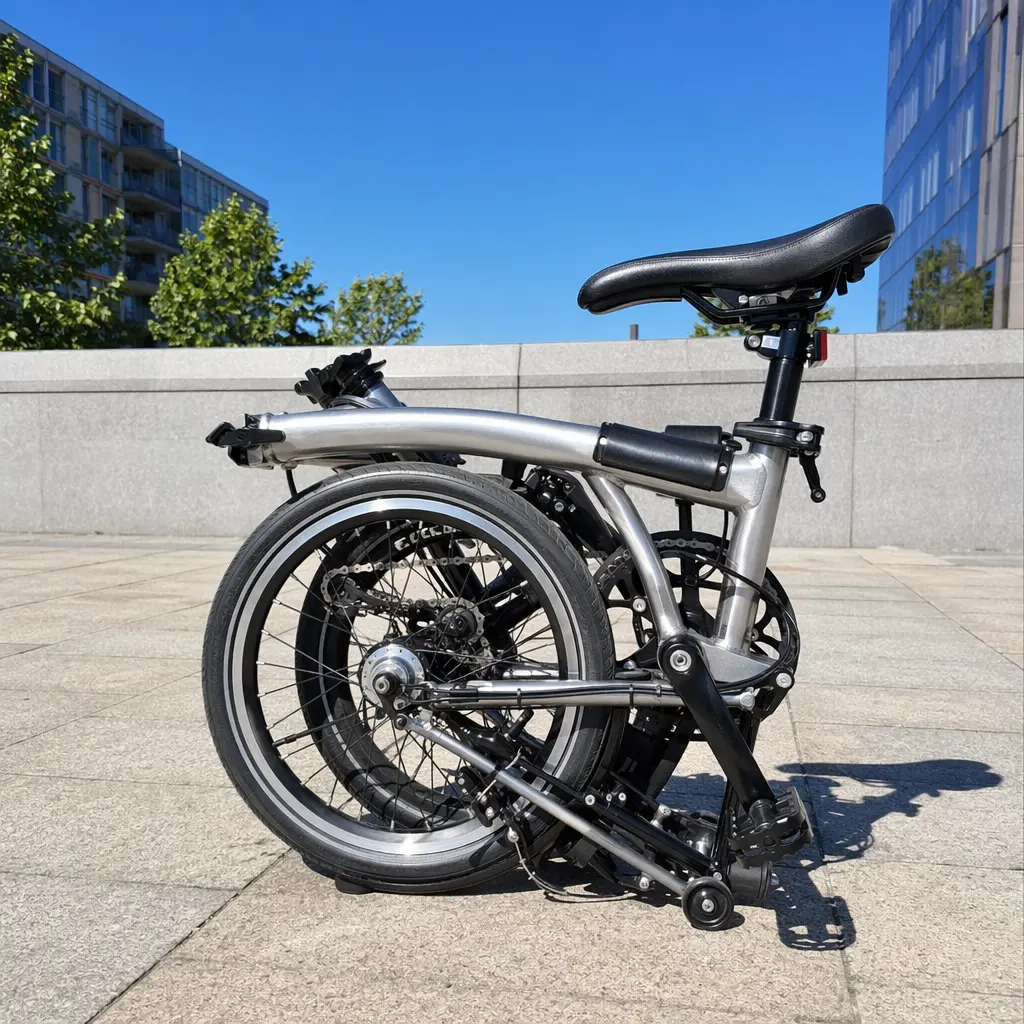
Where it came from
The Stowaway emerged during the post‑war boom in practical cycling, when British manufacturers were experimenting with ways to make bikes more versatile for everyday life. While exact launch years vary by source, the model took shape in the mid‑20th century as part of Raleigh’s push to offer dependable, mass‑market machines for ordinary riders. Folding bikes weren’t about performance or novelty; they were about fitting cycling into crowded towns and growing car ownership.
Made by Raleigh and sold widely through UK dealers, the Stowaway benefitted from the company’s enormous production scale and service network. That mattered: owners expected spares, repairs and familiarity, not exotic parts. Over the years the Stowaway evolved in small steps rather than radical redesigns, which is why many examples from different decades still feel recognisably the same bike.
Why it works
The Stowaway’s appeal lies in its straightforward engineering. A steel frame gives it a planted feel over cracked tarmac and dropped kerbs, while small wheels keep the folded package short enough to be genuinely useful indoors. The riding position is upright and relaxed, trading speed for visibility and comfort — exactly what urban Britain demanded.
- Simple central hinge designed for durability rather than ultra‑compact folding
- Small wheels that accelerate easily in stop‑start traffic
- Upright geometry suited to everyday clothes and short rides
- Conventional components that remain serviceable decades on
- Steel construction that prioritises resilience over light weight
It isn’t a fast folder, and it was never meant to be. What it does well is feel predictable and repairable — traits that matter more than outright performance when a bike becomes part of daily routine.
Who it’s for
Today, the Raleigh Stowaway suits riders drawn to practical heritage rather than cutting‑edge folding tech. It works for short commutes, rail‑plus‑bike journeys and gentle pottering where storage space is tight. Many are bought second‑hand by urban riders or nostalgia fans, typically spending anything from under £200 for a well‑used example to around £300–£400 for a tidy, serviced one.
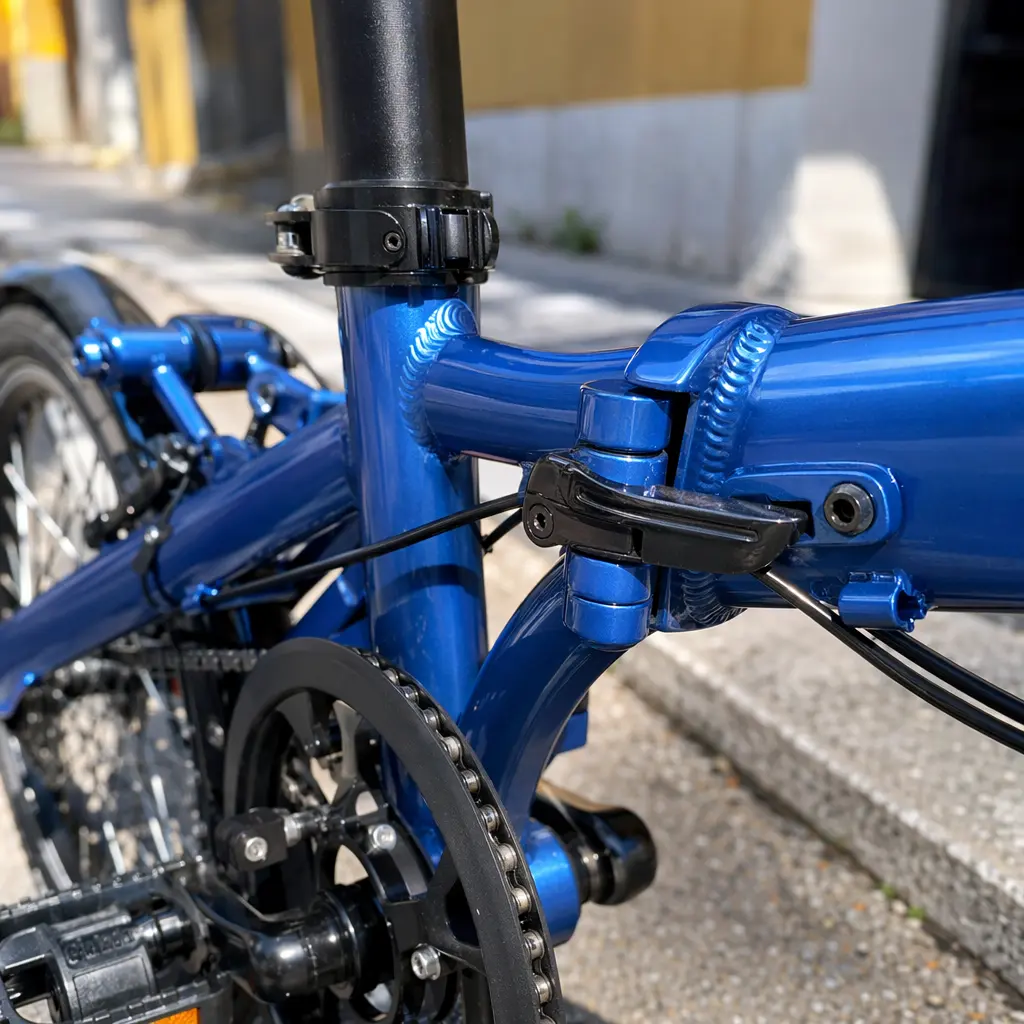
Variants and what to look for today
Across its lifespan the Stowaway appeared in several broadly similar trims rather than sharply defined generations. Some came with hub gears for low maintenance, others with basic derailleur setups. Accessories like mudguards, chaincases and racks were common and are worth keeping if present.
When buying now, condition matters more than exact specification. Check the hinge for play or cracks, ensure the folding latch closes securely, and inspect rims for wear — many bikes have seen decades of braking. Original parts add charm, but availability of modern replacements keeps most Stowaways on the road.
Frequently asked questions
Is the Stowaway suitable for taller riders?
Most Stowaways suit average heights best. Taller riders can gain comfort with a longer seatpost, but the compact geometry sets limits.
How compact is it when folded?
It folds smaller than a standard bike but not as tight as modern premium folders. It’s practical for boots and hallways rather than airline luggage.
Are parts still available?
Yes. Tyres, brakes and bearings are generally standard sizes, and specialist shops still cater for older Raleighs.
Is it good value today?
As a usable piece of cycling history, a sound Stowaway can represent fair value — provided expectations are about practicality, not speed.
The Raleigh Stowaway endures because it solved a real problem and did so without fuss. In an age of complex folding mechanisms and premium pricing, its straightforward approach feels refreshingly grounded — a reminder that everyday cycling doesn’t need to shout to be effective.
Find these on Amazon
As an Amazon Associate, CheapBikes earns from qualifying purchases.