Raleigh Mustang: the BMX that lit up Britain’s back gardens
Raleigh’s Mustang was a late‑’70s BMX that brought Californian racing style to UK kerbs and cul‑de‑sacs. Affordable, tough and everywhere, it helped kick‑start Britain’s BMX boom.
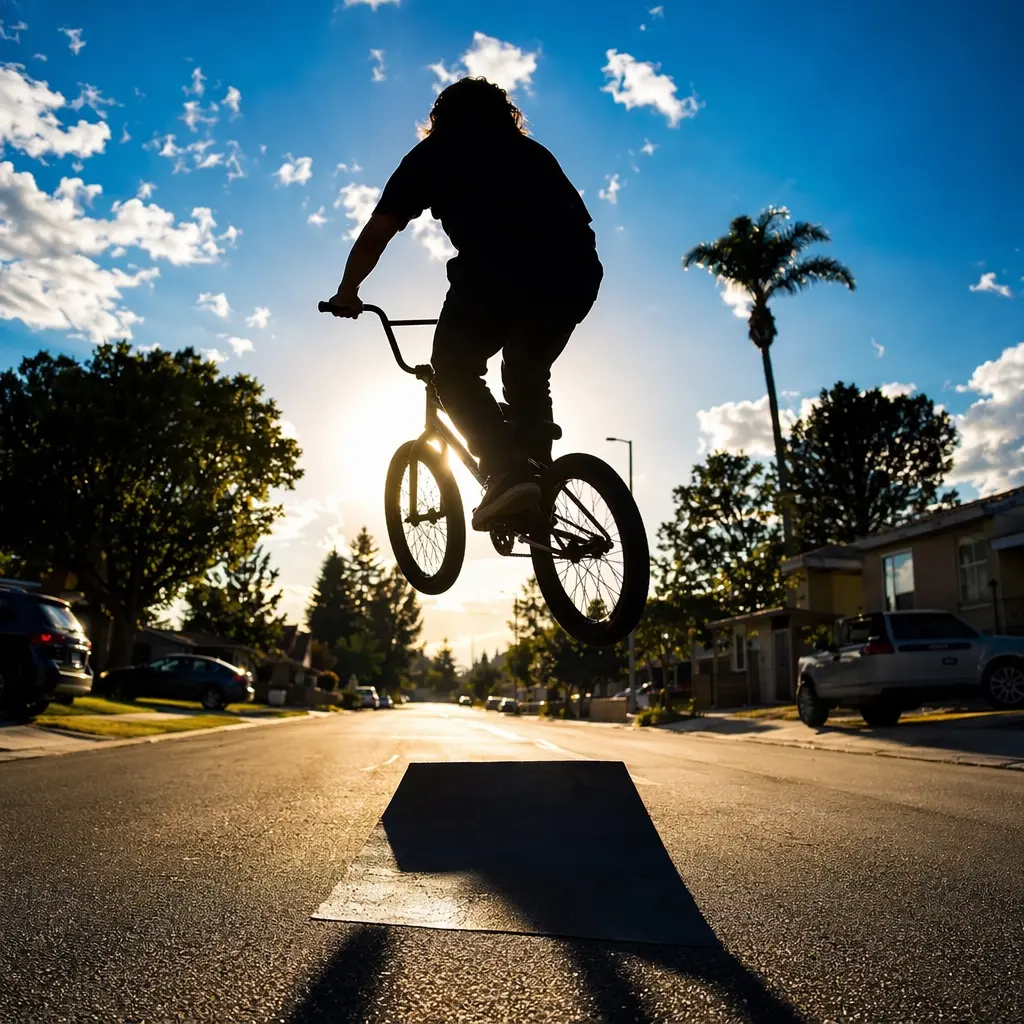
The Raleigh Mustang sits right at the moment BMX tipped from American curiosity to British obsession. Landing in the late 1970s, it was Raleigh’s straight‑talking answer to the new craze: a compact, tough little bike aimed squarely at kids hammering round back gardens, kerbs and makeshift tracks. It wasn’t exotic or niche. It was attainable, sold through a huge dealer network, and quickly became a common sight on UK streets — a big reason BMX stopped being a magazine fantasy and started being something you could actually ride.
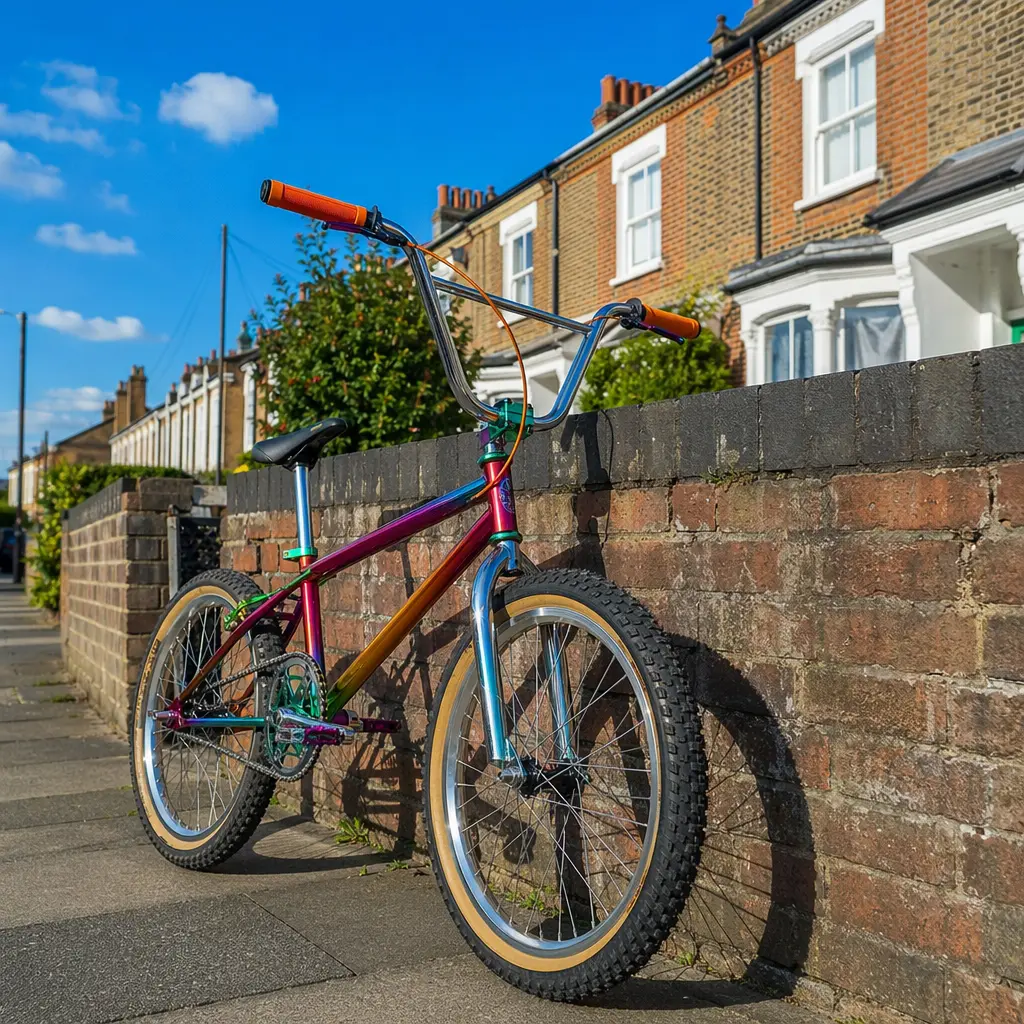
Where it came from
By the late ’70s, BMX had exploded in the US, fuelled by motocross culture and kids racing on dirt tracks with bikes built to take punishment. Raleigh, already Britain’s dominant bike brand, moved quickly. The Mustang arrived as part of that response — designed to capture the look and spirit of BMX, but built and priced for the UK mass market.
Sold through Raleigh’s nationwide network of local bike shops, the Mustang benefitted from something imports didn’t: availability. Parents could see one in the window, get it sized, and have backup if something broke. That accessibility mattered. It helped BMX break out of a small enthusiast bubble and into estates, school playgrounds and improvised race courses across the country.
Why it works
The Mustang’s appeal was never about cutting‑edge tech. It worked because it was simple, sturdy and recognisably BMX at a glance. Small wheels, a compact frame, upright bars and chunky tyres made it feel different from the roadsters and shoppers kids were used to — and crucially, it felt ready for abuse.
- Compact BMX geometry that felt playful and easy to throw around
- Steel frame and fork built to survive jumps, skids and crashes
- Single‑speed drivetrain with minimal fuss or adjustment
- Upright bars and short wheelbase for quick steering
- Styling cues borrowed from American BMX, but adapted for UK streets
Compared with today’s BMX bikes, a Mustang feels heavy and basic. But that weight came with durability, and the uncomplicated setup meant more time riding and less time fettling. For its audience — kids learning to jump kerbs and race mates — that was exactly the point.
Who it’s for
Today, the Raleigh Mustang is squarely a nostalgia piece. It appeals to riders who grew up during the first BMX wave, collectors of British cycling history, and anyone wanting a period‑correct BMX for display or gentle riding. Prices vary wildly depending on condition, but examples typically change hands in the hundreds rather than thousands of pounds — with restored or especially original bikes at the top end.
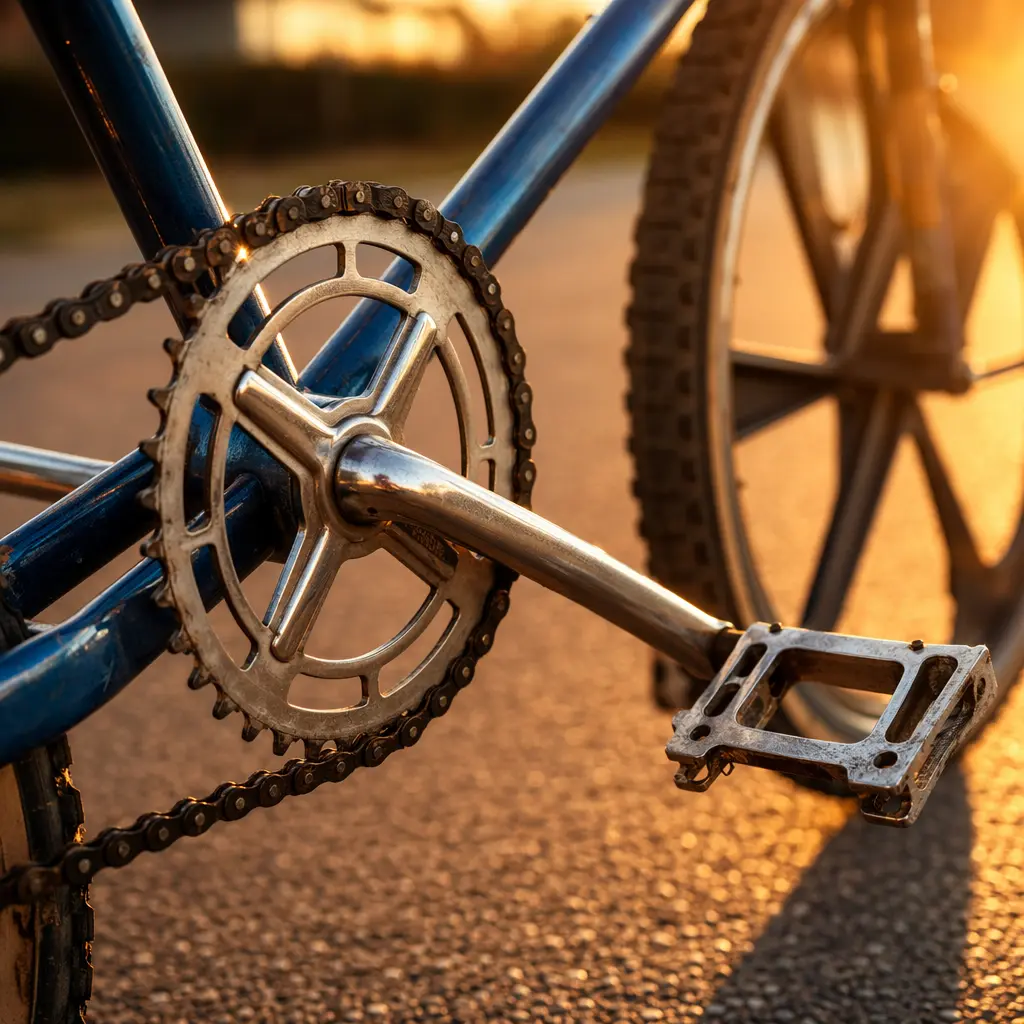
Variants and what to look for today
Over its life, the Mustang name covered broadly similar bikes rather than sharply defined trims. Differences tended to be in finishing kit, colours and small detail changes rather than radical redesigns. That means condition matters more than exact specification when buying today.
- Frame and fork: check carefully for cracks, dents or repairs, especially around the head tube and rear dropouts
- Original parts: period bars, wheels and brakes add value, but replacements are common and not a deal‑breaker for riders
- Wheels: many have been rebuilt over the years — look for straight rims and solid hubs
- Paint and decals: originality boosts collectability, but honest wear is expected
- Bearings and brakes: budget for a basic overhaul if the bike’s been stored
Frequently asked questions
Is the Raleigh Mustang rare?
Not especially. Raleigh sold a lot of them, which is why they still turn up today. Truly original, unmodified examples are harder to find, though, and command stronger prices.
Can you ride one regularly today?
Yes, but with realism. They’re best suited to gentle cruising or occasional nostalgia rides rather than modern skateparks or big jumps. Parts availability is generally good, but they won’t feel like a contemporary BMX.
Are modern parts compatible?
Some are, some aren’t. Tyres and consumables are easy. Drivetrain and brake compatibility can be trickier due to older standards, so check before buying upgrades.
Why does the Mustang matter in UK cycling history?
Because it helped normalise BMX in Britain. By making a credible BMX widely available and affordable, Raleigh played a key role in turning a niche import trend into a nationwide youth movement.
Seen today, the Raleigh Mustang is less about outright riding performance and more about what it represents. It’s a snapshot of the moment BMX arrived on British streets — noisy, scruffy, exciting and accessible — and a reminder of how one mass‑market bike helped shape a generation’s idea of fun on two wheels.
Find these on Amazon
As an Amazon Associate, CheapBikes earns from qualifying purchases.