Trek Roscoe: the plus-tyre hardtail that tamed UK trails
Trek’s Roscoe took big tyres and relaxed geometry mainstream, giving UK beginners a calmer, grippier way into trail riding without the cost or upkeep of full suspension.
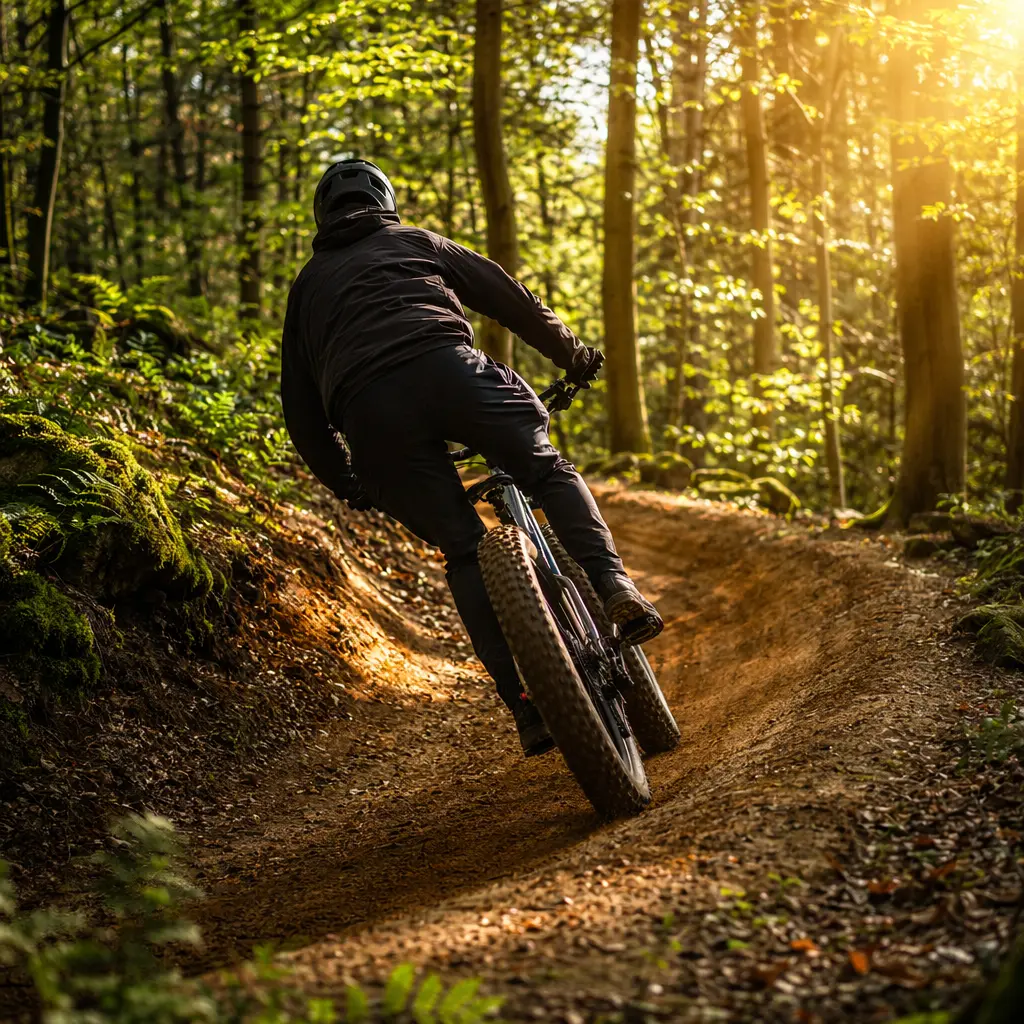
The Trek Roscoe sits in a sweet spot of the UK mountain bike market: a confidence-first hardtail built to make trail riding feel approachable. With chunky tyres, a stable stance and parts chosen for control rather than outright speed, it helped normalise the idea that a beginner’s MTB doesn’t have to be twitchy or intimidating. For riders graduating from towpaths to trail centres—or returning after a long gap—the Roscoe’s appeal is simple: more grip, more forgiveness, less stress.
Where it came from
The Roscoe arrived during a period when trail bikes were getting longer, slacker and more forgiving—but many newcomers were still priced out of full suspension. Trek’s answer was to push tyre volume and stability on a simple hardtail platform. Bigger rubber could take the edge off roots and rocks, while modern geometry added calm without the complexity.
Sold widely through Trek’s UK dealer network, the Roscoe has been a familiar sight at trail centres and woodland loops for several years. It’s positioned above basic leisure MTBs but below high-end race hardtails, aimed squarely at riders who want to progress. Over time the family has evolved—tyre widths and specs have shifted—but the core idea has stayed put: make trail riding less scary.
Why it works
The Roscoe’s defining trait is confidence. The frame geometry favours stability over razor-sharp handling, with a front end that doesn’t feel nervous when the ground gets rough. Pair that with wide tyres run at sensible pressures and you get traction that flatters imperfect line choice—ideal for the UK’s slippery roots and off-camber turns.
Component choices have typically backed up that brief: suspension forks with enough travel to cope with trail chatter, wide handlebars for leverage, and gearing that makes short, punchy climbs manageable. It’s not a featherweight, and it doesn’t pretend to be. Instead, it trades outright speed for control and durability—attributes that matter more when you’re learning.
- Plus-size or high-volume tyres for grip and comfort
- Stable, trail-focused geometry that calms steering
- Dropper-post compatibility or inclusion on higher trims
- Simple, robust drivetrains suited to UK mud and grit
- Room for proper trail tyres without fuss
Who it’s for
The Roscoe is aimed at riders taking their first real steps into trail riding: beginners, improvers, and lapsed mountain bikers who want reassurance rather than adrenaline. It suits trail centres, bridleways and woodland loops more than cross-country racing. Budget-wise, it has typically sat in the mid-range hardtail bracket—often around the £1,000–£1,500 mark when new—making it a considered purchase but not an extreme one.
Variants and what to look for today
Across the Roscoe family, the differences usually come down to kit. Entry versions prioritise value with basic forks and drivetrains, while mid and higher trims add better suspension damping, lighter wheels and often a dropper post as standard. Tyre choice has varied over the years, with some models leaning fully into plus-size rubber and others edging back toward standard trail widths.
If you’re considering a used Roscoe, condition matters more than trim level. Check the fork for smooth travel and any oil residue, inspect rims for dents (wide tyres can hide them), and make sure the drivetrain hasn’t been ground down by winter mud. Frame sizes are generous, so sizing up or down should be done carefully—stand-over height and reach both affect confidence.
Frequently asked questions
Is the Roscoe too heavy for beginners?
It’s heavier than a race-focused hardtail, but that weight comes with stability and toughness. For learning riders, the trade-off usually feels worthwhile.
Can it handle UK trail centres?
Yes. Blue and red routes are well within its comfort zone, especially where grip and control matter more than outright speed.
Is it suitable for commuting?
It can be used on the road, but wide tyres and trail geometry make it better suited to off-road fun than daily tarmac miles.
Does it replace a full-suspension bike?
Not entirely. Full suspension still offers more comfort on rough descents, but the Roscoe narrows the gap enough for many riders.
The Trek Roscoe’s legacy is about accessibility. By leaning into grip and stability, it helped demystify trail riding for UK riders who wanted progress without pressure. It’s not flashy, and it doesn’t chase trends—but as a confidence builder, it remains a quietly influential hardtail.
Find these on Amazon
As an Amazon Associate, CheapBikes earns from qualifying purchases.