Raleigh Motus: the e‑bike that made assisted commuting ordinary
Raleigh’s Motus family sits at the sensible heart of UK e‑bikes: upright, Bosch‑powered and built for everyday miles. A mainstream option that helped normalise assisted commuting.
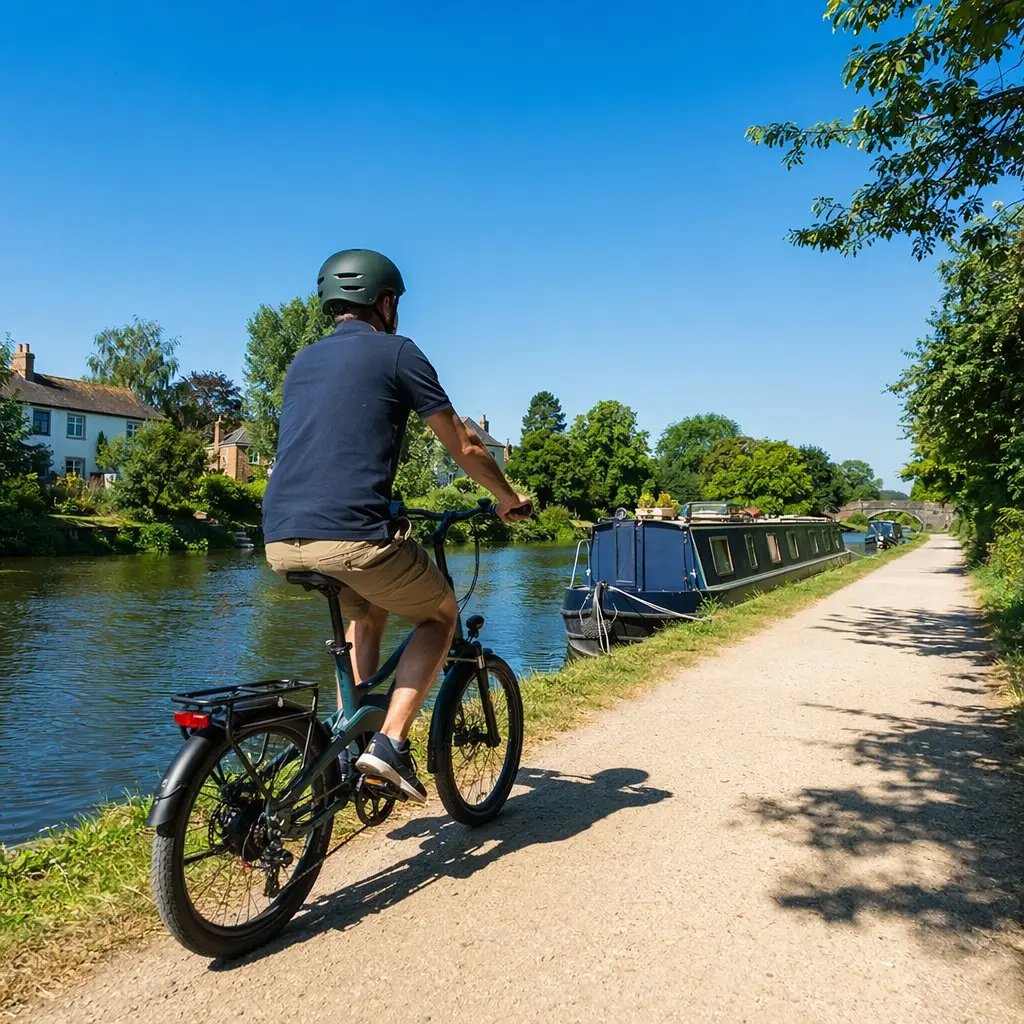
The Raleigh Motus is the sort of e‑bike many people picture when they think of assisted commuting in the UK: upright, practical, quietly capable. It’s not chasing trends or extremes. Instead, the Motus family has spent the modern e‑bike era doing something more valuable — making electric assistance feel normal for everyday journeys. From workday commutes to shopping runs and weekend pottering, Motus sits squarely in the mainstream, where reliability and comfort matter more than spectacle.
Where it came from
Raleigh hardly needs an introduction in Britain, and the Motus family reflects that heritage. Developed as e‑bikes moved from novelty to necessity, Motus was designed to bring electric assistance into the heart of Raleigh’s everyday range rather than off to one side. The brief was simple: a familiar riding position, proven components and the kind of finish expected from a long‑standing UK brand.
Sold through independent bike shops as well as larger retailers, Motus quickly became a common sight on cycle paths and residential streets. Its success wasn’t about chasing the lowest price or the highest power figures, but about offering a trustworthy package that new e‑bike riders could understand and live with. In that sense, Motus helped define what a ‘normal’ e‑bike looks like in the UK.
Why it works
At the core of the Motus family is a focus on comfort and predictability. The riding position is upright and relaxed, giving good visibility in traffic and taking pressure off wrists and neck. Frames are built with everyday durability in mind rather than minimum weight, which suits year‑round use over imperfect roads, kerbs and towpaths.
Most Motus models lean on well‑known mid‑drive motor systems, paired with sensible gearing and dependable braking. Assistance comes in smoothly, making starts at junctions less stressful and headwinds far less of a chore. The overall feel is calm rather than sporty — exactly what many commuters want.
- Upright geometry aimed at comfort and confidence
- Mid‑drive motor placement for balanced handling
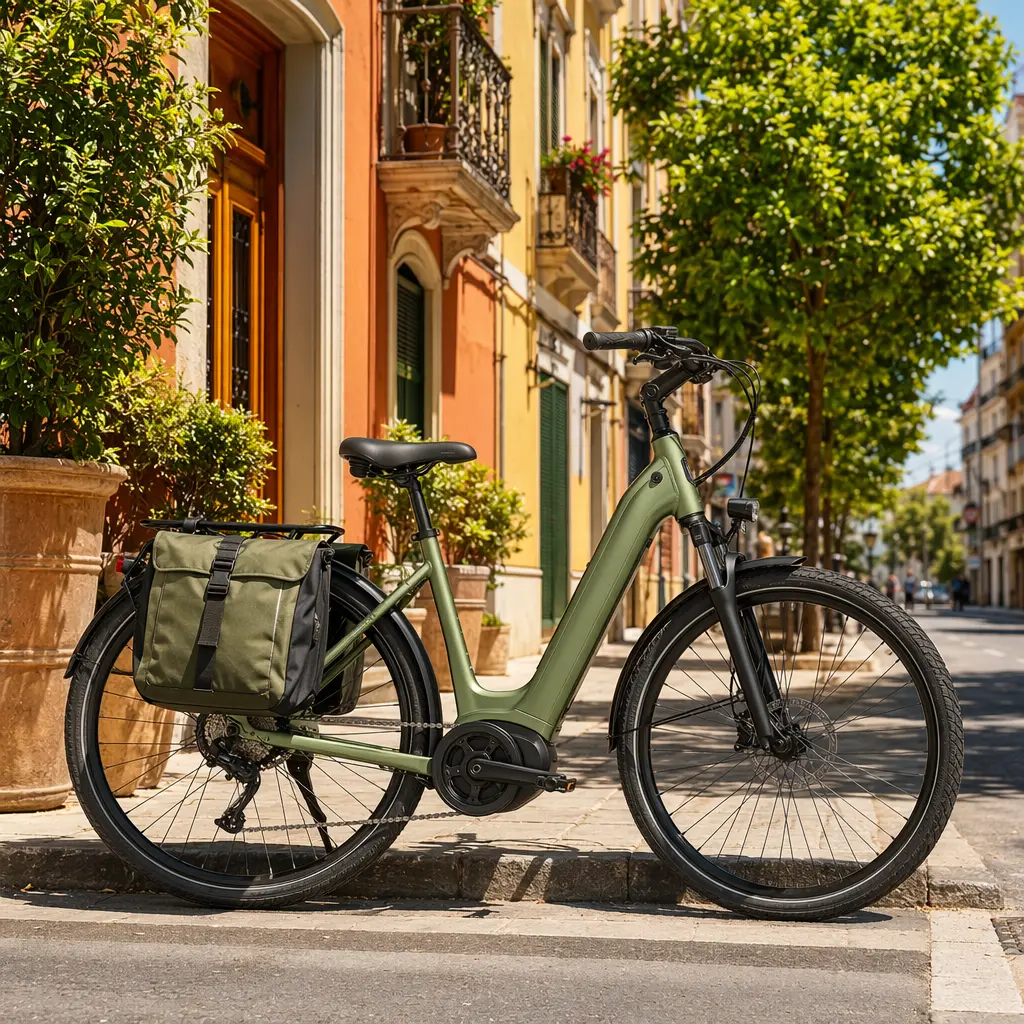
- Integrated lighting and mounts for mudguards and panniers
- Controls and displays designed to be clear and unintimidating
- Frames and finishes suited to daily, all‑weather use
Who it’s for
The Motus family is aimed at riders who want an e‑bike to fit into normal life rather than dominate it. Typical owners include commuters easing longer distances, riders returning to cycling after a break, and anyone who wants help with hills without switching to a sporty stance. Budgets usually sit in the mid‑range for branded e‑bikes — typically around £2,000–£3,000 new — with older or well‑kept used examples often appearing for less.

Variants and what to look for today
Within the Motus family, differences usually come down to trim level rather than radical design changes. Entry versions prioritise affordability with simpler displays and gearing, mid‑level options add comfort touches and wider gear ranges, while higher trims focus on longer range and upgraded finishing kit. The core frame and riding position remain consistent throughout.
If buying second‑hand, condition matters more than badge. Check battery health and charging behaviour, inspect drivetrain wear (e‑bikes are harder on chains and cassettes), and make sure all electronics function correctly. A well‑maintained Motus with higher mileage can still be a sound buy; a neglected low‑miler can be expensive to put right.
Frequently asked questions
Is the Raleigh Motus suitable for beginners?
Yes. The upright fit, predictable handling and intuitive assistance make it approachable for riders new to e‑bikes or returning after time away.
How heavy does a Motus feel?
Like most mainstream e‑bikes, it’s heavier than a non‑assisted bike. The weight is well balanced, though, and rarely noticeable once the motor is helping.
Can it handle hills and headwinds?
That’s one of its strengths. The assistance is tuned for steady support rather than bursts of speed, which suits rolling terrain and blustery commutes.
Is it practical for year‑round UK riding?
Yes, provided it’s set up properly. Full mudguards, decent tyres and regular maintenance make it a realistic all‑seasons option.
In a crowded e‑bike market, the Raleigh Motus stands out by not trying to stand out at all. Its importance lies in normalising electric assistance for everyday British cycling — a role it continues to fill quietly, competently and with little fuss.
Find these on Amazon
As an Amazon Associate, CheapBikes earns from qualifying purchases.